4 Checks to Pick Trimming or Shaving, Clinic Backed, Barber Taught

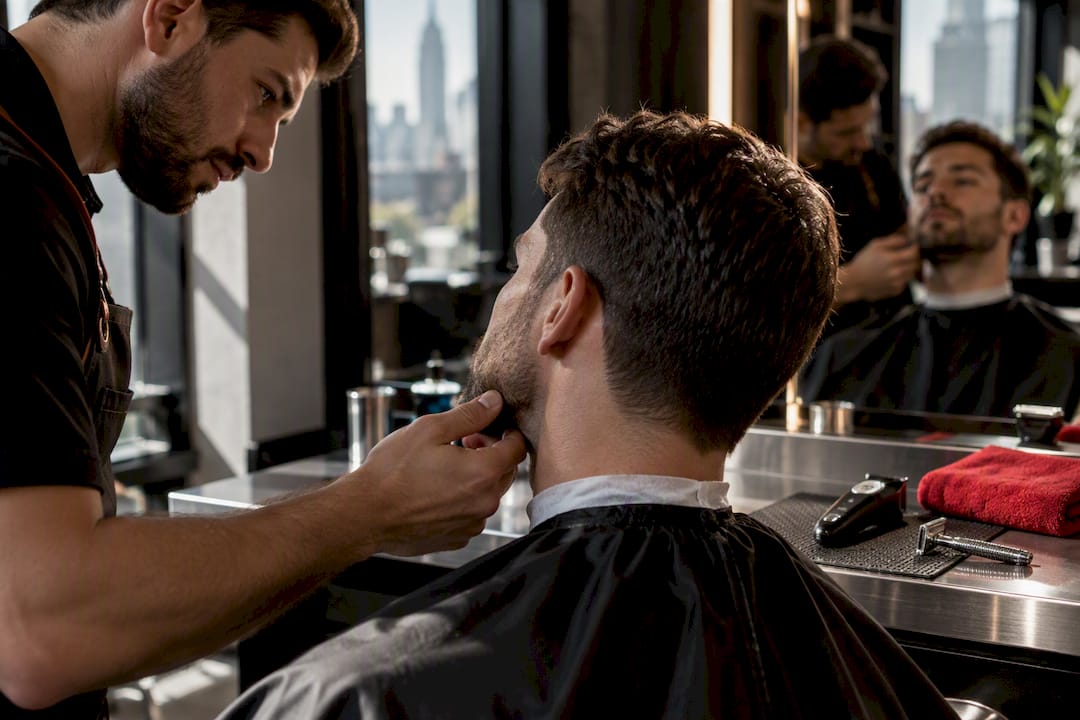
Trim when you want to keep length and lower the risk of skin irritation. Shave when you want the closest, smoothest finish and don’t mind extra prep. Most men end up doing both: trimming for shape and bulk control, then shaving the neckline or cheeks for clean edges. Skin type and how much time you have most days should decide the split.
TL;DR:
Trimming minimizes skin irritation and is faster, making it suitable for sensitive skin and busy mornings, but cannot achieve a completely smooth finish.
Shaving provides the closest, smoothest look preferred for formal or professional settings but requires daily upkeep and increases skin irritation risks.
Long or dense beards should always be trimmed before shaving to prevent pulling and uneven lines, with trimming also leading to fewer nicks and less friction.
Proper trimming involves starting with a longer guard, trimming with the grain first, then shaping, while shaving requires softening hair, hydrating, and shaving with the grain for comfort.
Professional grooming services can address issues like irritation or uneven growth, offering tailored routines and clean lines that home tools may struggle to produce effectively.
Table of Contents
Beard Trim vs. Shave: A Quick Comparison
The core difference comes down to how much hair leaves your face. A trim leaves controlled length behind. A shave takes hair down to skin level, which is why the two methods carry such different upkeep and risk profiles.
Finish: Trimming produces stubble to full-beard length; shaving produces bare skin.
Maintenance frequency: Trims typically need regular attention every few days; shaving is often done daily or every other day.
Skin contact: Trimmers glide over hair with guarded blades; razors touch skin directly, which raises exposure to nicks and burn.
Time per session: A trim usually takes several minutes; a proper shave with prep and aftercare takes longer, typically up to around 20 minutes.
Pro Tip: If your beard has grown past a half inch, run a trimmer over it before you ever pick up a razor. Long, dense hair pulls at blades and multiplies the chance of irritation. That trim-first approach is standard advice in most grooming guides, and it applies whether you’re maintaining stubble or resetting a full beard.
What Are the Benefits and Downsides of Trimming?
A trimmer with the right guard gives you control most razors can’t match. Guard sizes typically run from a number 1 (roughly an eighth of an inch) up to a number 8 or higher for a fuller look, so dialing in a specific shadow, short beard, or fuller shape becomes a matter of picking the right attachment rather than guessing.
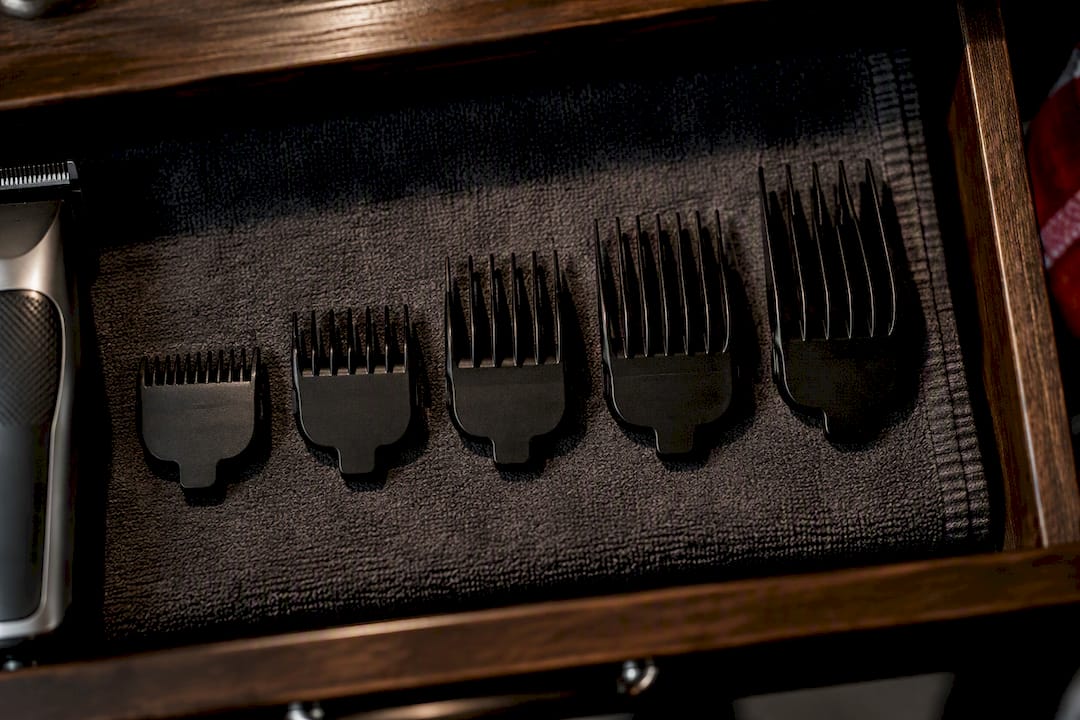
Because the blade never touches skin directly, trimming causes far less friction than shaving. That’s a real advantage for men prone to redness or bumps, since less skin contact generally means fewer chances for irritation to start.
Where trimming falls short: it can’t get you to bare skin, so if your goal is a fully smooth jawline or neckline, a trimmer alone won’t finish the job.
Faster sessions with lower daily time investment
Fewer nicks, cuts, and burn compared to blade-on-skin shaving
Reusable guards make the same length repeatable every time
Requires periodic blade oiling and guard cleaning to keep the cut even
Doesn’t produce the skin-level smoothness some styles need
Tools run from budget clippers to premium electric trimmers, and most last years if you oil the blades regularly and clear out trapped hair after each use.
What Are the Benefits and Downsides of Shaving?
Shaving delivers the one finish trimming can’t: bare, smooth skin. That’s why it remains the default for job interviews, weddings, and other formal settings where a clean look reads as more polished. Peer-reviewed research on facial hair perception backs this up, finding that clean-shaven faces are often rated higher on perceived cleanliness and competence in professional contexts, while stubble reads less consistently depending on the setting.
The tradeoff is real skin exposure. A blade dragging across the jaw multiple times a session is far more likely to cause razor burn, ingrown hairs, or nicks than a guarded trimmer, especially with dull blades or rushed technique.
Where shaving falls short: it demands daily or near-daily upkeep for most hair growth rates, and skipping prep steps is the fastest way to end up with irritated skin.
Closest possible finish, no visible stubble left behind
Preferred in conservative workplaces and formal occasions
Needs frequent sessions, often daily depending on how fast hair grows
Higher chance of burn, bumps, and nicks without proper technique
Blade replacement and cleaning are ongoing costs
Pro Tip: Whichever tool you use, manual razor, safety razor, or foil/rotary electric shaver, rinse the blade every two or three strokes. A clogged blade is the single biggest cause of tugging and burn.
How Do I Decide Between Trimming and Shaving?
Match the method to four things: your skin, your hair, your schedule, and where you’re headed that day. Sensitive or blemish-prone skin generally does better with a trim, since less blade contact means fewer flare-ups. Thick, coarse, or curly hair is more prone to ingrown hairs after a close shave, which is another point in favor of trimming or at least trimming first.
Sensitive or acne-prone skin: Lean toward trimming; if you shave, use minimal pressure and a single pass.
Formal event, interview, or conservative office: A clean shave or a very neatly trimmed beard reads best. Barber-grade grooming analysis notes that stubble often signals less polish in interview settings compared with either extreme.
Limited time most mornings: Trimming wins. It’s faster and more forgiving of a rushed five minutes.
Growing out or resetting a beard: Trim lightly during the growth phase to shape edges without cutting length, then let it fill in before a full reshape.
One myth worth killing here: neither trimming nor shaving changes how fast your beard grows back. Hair grows from follicles beneath the skin, and cutting the visible shaft has no effect on that rate, no matter how often you hear otherwise.
How Do You Properly Trim and Shave a Beard?
Getting a clean result from either method comes down to sequence, not fancy tools.
Trimming routine:
Start with a longer guard than you think you need, you can always go shorter, but you can’t add length back.
Trim with the grain first to knock down bulk, then go against the grain lightly to even out patchy spots.
Switch to a shorter guard or a detailer to define the neckline and cheek lines.
Comb through and check for stray hairs, then do a final pass.
Clean out trapped hair and oil the blades before storing the trimmer.
Shaving routine:
Soften hair first with a warm shower or a hot towel, this is the single biggest factor in a comfortable shave.
Apply a lather or shaving cream and let it sit for a minute to fully hydrate the hair.
Shave with the grain in short, controlled strokes, rinsing the blade every couple of passes.
Rinse your face with cool water to close pores, then pat dry.
Finish with an alcohol-free aftershave balm or moisturizer to calm the skin.
A few maintenance habits keep both routines working well over time:
Replace razor blades every 5 to 7 shaves, or sooner if you feel dragging.
Oil trimmer blades after every few uses to prevent rust and snagging.
Wipe down both tools with a sanitizing spray to cut down on bacteria buildup.
If your beard is long or dense, trim it down before you ever run a razor over it. That reduces the pull on the blade and gives you a far cleaner line where you do decide to shave.
How Do You Treat and Prevent Razor Burn and Ingrown Hairs?
Razor burn shows up as redness and stinging right after shaving. Ingrown hairs look more like small, tender bumps that appear days later, when a cut hair curls back into the skin instead of growing out. Folliculitis, an infection of the hair follicle, can look similar but often comes with pus-filled bumps and needs different care. Cleveland Clinic’s guidance points to poor prep, dull blades, and shaving against the grain as the most common causes of burn and irritation.
Prevention starts before the blade ever touches skin: warm water, a quality lather, and a sharp blade cut most irritation off at the source. The American Academy of Dermatology also recommends gentle exfoliation a couple of times a week and regular cleaning of trimmers and razors to keep bacteria from building up.
Use fragrance-free postshave balms rather than alcohol-heavy aftershaves on irritated skin.
Try a salicylic acid exfoliant a few times a week if ingrown hairs are a recurring problem.
Switch to trimming for a few weeks if shaving keeps causing flare-ups.
If bumps or irritation keep coming back despite these changes, Mayo Clinic’s guidance recommends checking in with a dermatologist rather than cycling through more products on your own.
How Do Barbers Decide Between a Trim and a Shave?
Professional barbers rarely treat this as a binary choice. A proper beard trim starts with a consultation, checking hair density, curl pattern, and how the client’s skin reacts to close contact, before ever picking up a guard or a razor.
The typical in-shop workflow looks like this:
Consultation to assess growth pattern, skin sensitivity, and the style the client wants.
Guarded trim to set overall length and shape.
Edge and neckline definition with a detailer or straight razor.
Optional hot towel shave to soften skin and finish clean lines without irritation.
Dense or long beards almost always get trimmed first. Pulling a razor through untrimmed bulk drags at the blade and makes clean lines nearly impossible. For men who want full smoothness on the neck or cheeks, a professional shave after trimming tends to produce sharper results than either method alone.
An Editorial Take on Trimming, Shaving, and Where Advice Usually Goes Wrong
Most grooming content treats this as a personality choice, team trim versus team shave, when it’s really a skin and lifestyle question with a fairly clear answer for most men. Sensitive skin and a busy morning point toward trimming. A big interview or a wedding points toward shaving or a razor-sharp beard line. The research on facial hair perception backs this up: context changes what reads as polished far more than most men assume.
Where conventional advice falls short is treating “trim first” as optional. It isn’t, not if you have any real length or density. Skipping that step is the single most common reason men blame razors for irritation that a trimmer would have prevented in thirty seconds.
What should come first, ahead of technique or tools, is an honest read of your own skin. Men who get frequent bumps or burn are usually better served leaning on trimming and professional edge work rather than fighting a daily shave that keeps causing problems. The clinical guidance and the barbershop chair tend to agree on that point more than most online debates would suggest.
— Evgenii
Book a Professional Trim or Shave at Manhattan Barbershop
Manhattan Barbershop is the fix for the trial-and-error most men go through with a home trimmer or a drugstore razor. Instead of guessing at guard lengths or fighting recurring bumps on your own, you get a barber who checks your hair density and skin before touching a blade, then builds a routine that actually holds its shape between visits.

If persistent irritation, a tricky neckline, or a beard that never seems to grow in evenly is the issue, a professional consultation solves that faster than another round of online advice. Manhattan Barbershop offers Short Beard Design, Medium Beard Design, and Long Beard Design services, each priced at $25, along with a Hot Towel Shave for $40 for men who want a barber-grade clean finish without the guesswork. First-timers can also check what to ask before booking to know what to expect. Ready to see the difference a real consultation makes? Book your appointment online and walk out with a beard that actually holds its line.
Sources
FAQ
What Is the Beard Three-Month Rule?
It refers to letting a beard grow untouched for about three months before shaping it, since early growth is often patchy and uneven. Trimming too early can cut into areas that would have filled in with more time, so most barbers recommend patience before your first real shape-up.
Do Women Prefer a Trimmed Beard or a Clean Shave?
Preferences vary by context more than by a simple trim-versus-shave split. Research on facial hair perception finds clean-shaven faces often score higher on perceived cleanliness in formal settings, while a neatly maintained beard can read as equally attractive in casual contexts.
Will Trimming Make My Beard Grow Faster?
No. Cutting the visible hair shaft has no effect on the follicle underneath, so trimming or shaving does not speed up growth. This is one of the most persistent grooming myths, and it holds true regardless of how often you trim.
Should You Trim or Shave First?
Trim first if your beard has any real length or density, then shave for edges or a fully smooth finish if that’s your goal. Going straight to a razor on untrimmed hair increases drag on the blade and raises your risk of nicks and irritation, according to general grooming guidance.
Recommended
Comments