Neighborhood Barbershop Culture: What It Really Means

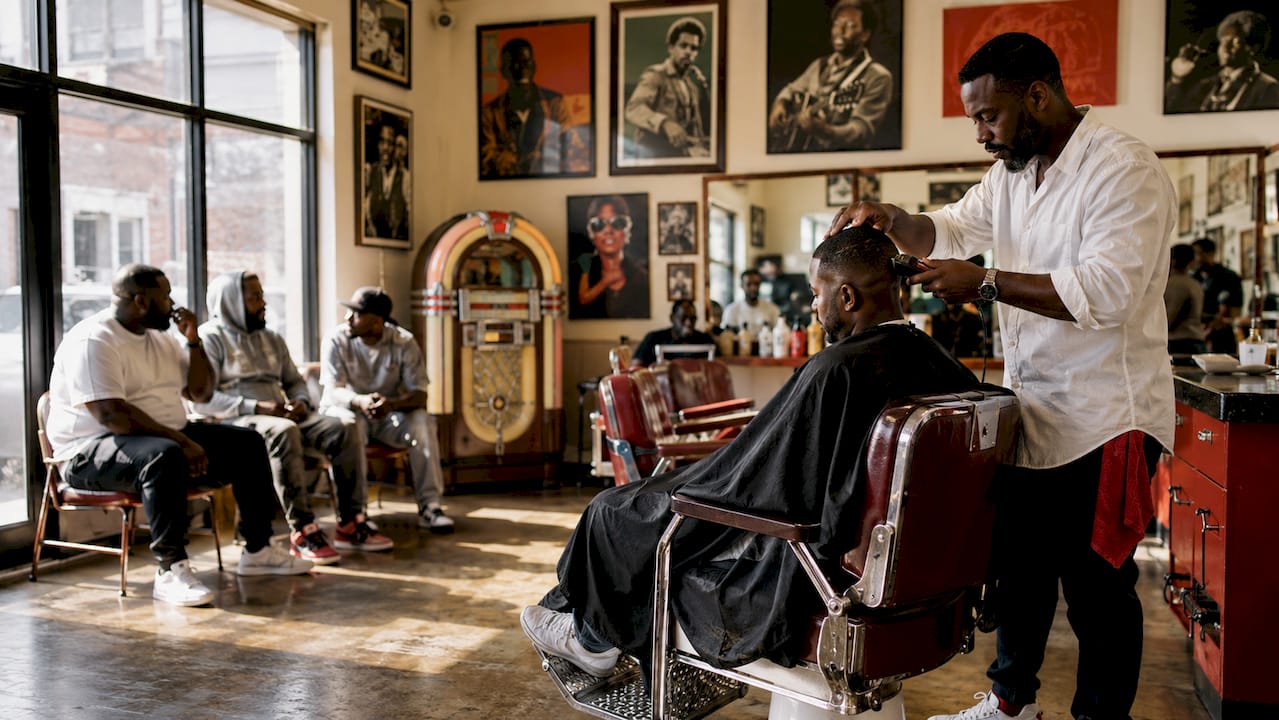
Neighborhood barbershop culture is the social fabric that transforms a barber’s chair into a trusted community gathering space, where grooming and conversation carry equal weight. The term “third place” — coined by sociologist Ray Oldenburg — describes exactly what these shops are: not home, not work, but a neutral ground where people belong. Russell’s Barbershop, documented extensively in 2025 and 2026, shows patrons staying long after their cuts just to talk. That behavior is not incidental. It defines what is a neighborhood barbershop culture at its core: a recurring, trust-based space where the haircut is often the excuse, not the point.
What is neighborhood barbershop culture and why does it matter?
Neighborhood barbershop culture is a recognized social institution, not just a grooming routine. Sociologists and community researchers describe it as a third place for community belonging, sitting alongside churches, barbershops, and corner stores as anchors of neighborhood life. The culture blends skilled craft with unhurried conversation, creating a rhythm that chain salons and app-based grooming services cannot replicate.
The haircut is the entry point. The conversation is the culture. At shops like Russell’s Barbershop, patrons visit just to spend time, with no appointment and no cut scheduled. That kind of informal presence signals something deeper: people trust the space enough to simply exist in it.
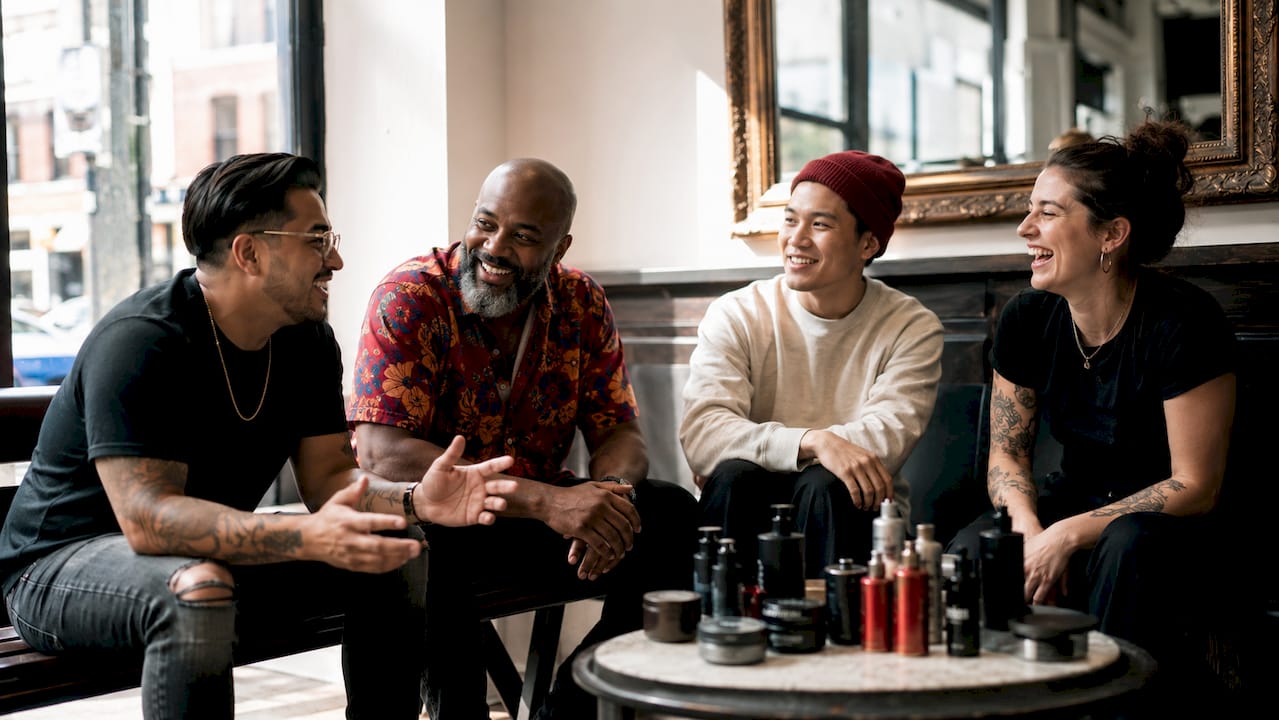
Barbershop culture explained in its simplest form is this: a place where you are known by name, where your barber remembers your last cut and your last problem, and where the room holds a conversation that started before you walked in and will continue after you leave. That continuity is rare. It is also exactly what makes these spaces worth understanding.
How does the barbershop serve as a community hub?
Barbershops function as trusted environments where candid conversations on health, life, and community happen naturally. A two-year research project at the University of Alaska Anchorage found that clients open up to barbers because of long-term interpersonal bonds built over repeated visits. That trust does not happen in a single session. It accumulates over months and years of consistent contact.
The social roles barbers play go well beyond grooming:
Mentors: Barbers, especially in Black communities, act as mentors and counselors for young men from single-parent households, offering guidance that formal institutions often fail to provide.
Health connectors: Barbershops have become active sites for public health outreach, with barbers trained to screen for hypertension, diabetes, and mental health concerns.
Community connectors: Barbers circulate information, referrals, and advice through the relationships built at their chairs, functioning as informal neighborhood networks.
Safe spaces for disclosure: The layout and norms of barbershop talk, as detailed by The Good Men Project, reduce social threat and make it easier for men to discuss topics they would avoid elsewhere.
Barbershop talk covers sports, politics, family, and mental health in a single afternoon. The topics shift naturally because the setting signals safety. No one is being evaluated. No one is taking notes. That psychological permission is built into the physical space itself.
Pro Tip: If you want to understand the community barbershop experience, listen before you speak. The first visit reveals who drives the conversation, what topics are welcome, and how the room handles sensitive subjects.
What rituals and atmospherics define the neighborhood barbershop vibe?
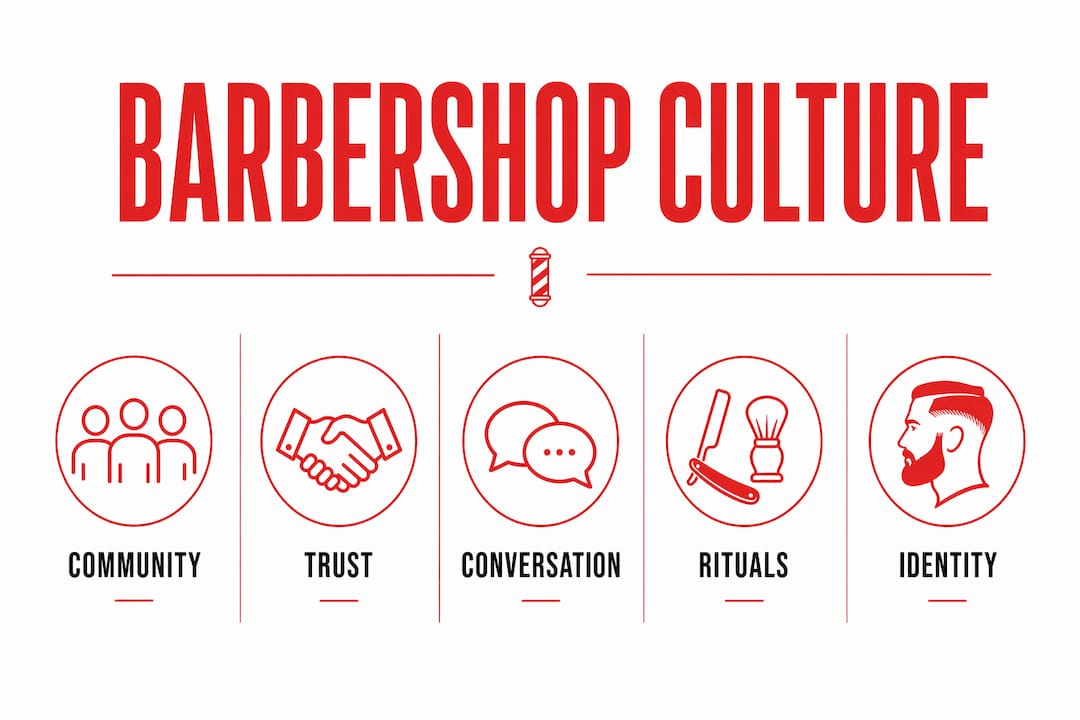
The neighborhood barbershop vibe is not accidental. It is built through specific rituals, physical layouts, and social norms that repeat visit after visit until they become culture.
Here are the core rituals that shape the experience:
The waiting line as social system. The informal queue at a barbershop is not just a line. It is where patrons trade updates, learn the shop’s norms, and build familiarity with regulars. Latino barbershop culture, documented in 2026, describes these unorganized queues as preferred over strict appointments because they create social moments that scheduled visits eliminate.
The unhurried pace. Time in a barbershop moves differently. Conversations extend before, during, and after the cut. No one rushes you out. That pace signals respect and reinforces the sense that your presence matters beyond your transaction.
Repeated face-to-face disclosure. Barbershop trust is cumulative, built through consistent visits over decades. Each session adds a layer. Over time, barbers become uniquely sensitive to clients’ emotional states, noticing changes that even close friends might miss.
Listening as initiation. First-time visitors who observe before participating integrate faster and more respectfully. Cultural integration at Russell’s Barbershop follows this pattern: watch how conversations flow, note who holds authority, and read the confidentiality signals before joining in.
Seating that promotes community. The open row of chairs facing the mirrors and the waiting bench along the wall create a shared sightline. Everyone sees everyone. That layout makes private conversations feel communal and communal conversations feel personal.
Pro Tip: Regulars at neighborhood shops often arrive without a specific appointment time. Showing up consistently, even just to wait, signals that you are part of the community rather than just a customer passing through.
The barbershop craftsmanship history behind these rituals stretches back centuries. The physical and social design of the modern neighborhood shop carries that history forward in every detail.
How does barbershop culture vary across communities?
Barbershop culture shares a core structure across communities, but its expression shifts significantly by ethnicity, geography, and local history. The table below captures the key patterns.
Community | Core social function | Distinctive ritual or norm |
Black American | Identity performance, mentorship, health outreach | Barber as counselor; extended post-cut conversation |
Latino | Cultural pride, family connection, informal news exchange | Walk-in queue as social event; multigenerational visits |
Queer and LGBTQ+ | Safe space for identity expression and affirmation | Inclusive language norms; barber as affirming presence |
Immigrant communities | Cultural continuity, language preservation, peer support | Native-language conversation; homeland news sharing |
General neighborhood | Local news, sports debate, community accountability | Rotating cast of regulars; barber as neighborhood anchor |
The Black barbershop as a discursive space invites community identity performance and exchange, with the haircut serving as one part of its broader function. That framing applies across cultures: the cut is the ritual entry, and the conversation is the culture itself.
Latino barbershop culture, as documented by Cultured Grooming in 2026, describes shops as social centers for cultural identity where values, stories, and norms are exchanged alongside grooming. For immigrant communities specifically, the barbershop often becomes the first place where someone hears their native language spoken freely in a new country. That is not a small thing. It is a lifeline.
What makes a barbershop special across all these contexts is the same: a consistent physical space, a trusted person behind the chair, and a room full of people who return because they feel known.
Why are neighborhood barbershops still vital in 2026?
Digital communication has not replaced the need for physical community spaces. It has made them more necessary. Customers return every few weeks to neighborhood barbershops not just for haircuts but to maintain long-term social relationships that no app or platform can sustain.
The importance of local barbershops in 2026 comes down to several specific functions that digital spaces cannot replicate:
Real-time, unfiltered storytelling. The barbershop holds conversations that are too raw, too local, and too personal for social media. No algorithm curates what gets said in the chair.
Community anchoring during change. When neighborhoods gentrify, lose businesses, or shift demographically, the barbershop often remains. It is one of the last spaces where long-term residents and newcomers share physical ground.
Public health access. Research published in BMC Public Health shows that barbershop health interventions succeed when they align with the community’s trust and participation. Barbers have screened for hypertension and connected clients to mental health resources in ways that clinical settings have failed to do.
Healing through presence. Simply being in a room where you are recognized and valued has measurable effects on mental well-being. The barbershop provides that without a prescription or a co-pay.
A consistent barber builds better style over time, but the relationship built alongside that style is what keeps people coming back. The grooming is the visible product. The belonging is the real one.
Key Takeaways
Neighborhood barbershop culture is a trust-based social institution where grooming, mentorship, community identity, and belonging operate together in a single physical space.
Point | Details |
Third place function | Barbershops serve as neutral community ground where people belong beyond home and work. |
Trust builds over time | Repeated visits over months and years create the relational depth that makes candid conversation possible. |
Culture varies by community | Black, Latino, queer, and immigrant barbershop spaces share core patterns but express them through distinct rituals and norms. |
Waiting is part of the culture | The informal queue is a social system, not an inconvenience, and often preferred over strict appointments. |
Digital spaces cannot replace it | Face-to-face continuity, unfiltered storytelling, and physical presence are what neighborhood barbershops offer that no platform can match. |
Why I think most people underestimate what a barbershop actually is
Most people walk into a barbershop thinking about their hair. They walk out having talked about their father, their job, or something they have not said out loud in months. That gap between expectation and experience is the whole story.
I have watched newcomers make the mistake of treating a neighborhood shop like a quick-service transaction. They check their phone during the wait, skip the small talk, and leave the moment the cut is done. They get a good haircut. They miss the culture entirely.
The culture lives in the hours around the haircut, not just during it. Regulars know this. They arrive early. They stay late. They come back even when they do not need a cut, just to be in the room. That kind of loyalty is not nostalgia. It is a rational response to something genuinely rare: a space where you are known, where your presence is welcomed without a transaction attached to it.
My advice to anyone wanting to understand or enter this culture is simple. Be patient. Observe first. Respect the rhythm of the room. The barbershop will let you in when it trusts you, and that trust is worth earning.
These spaces are not relics. They are some of the most functional social infrastructure left in American neighborhoods. Preserving them means showing up, spending time, and understanding that the value is not just in the cut.
— Evgenii
Experience neighborhood barbershop culture at Manhattanbarbershopny
Manhattanbarbershopny on the Upper East Side of New York City brings the community barbershop experience to life through skilled craftsmanship, a welcoming atmosphere, and barbers who take the time to know each client. Owner Eugene Solod built the shop around the same principles that define great neighborhood barbershop culture: patience, attention, and a genuine relationship between barber and client.
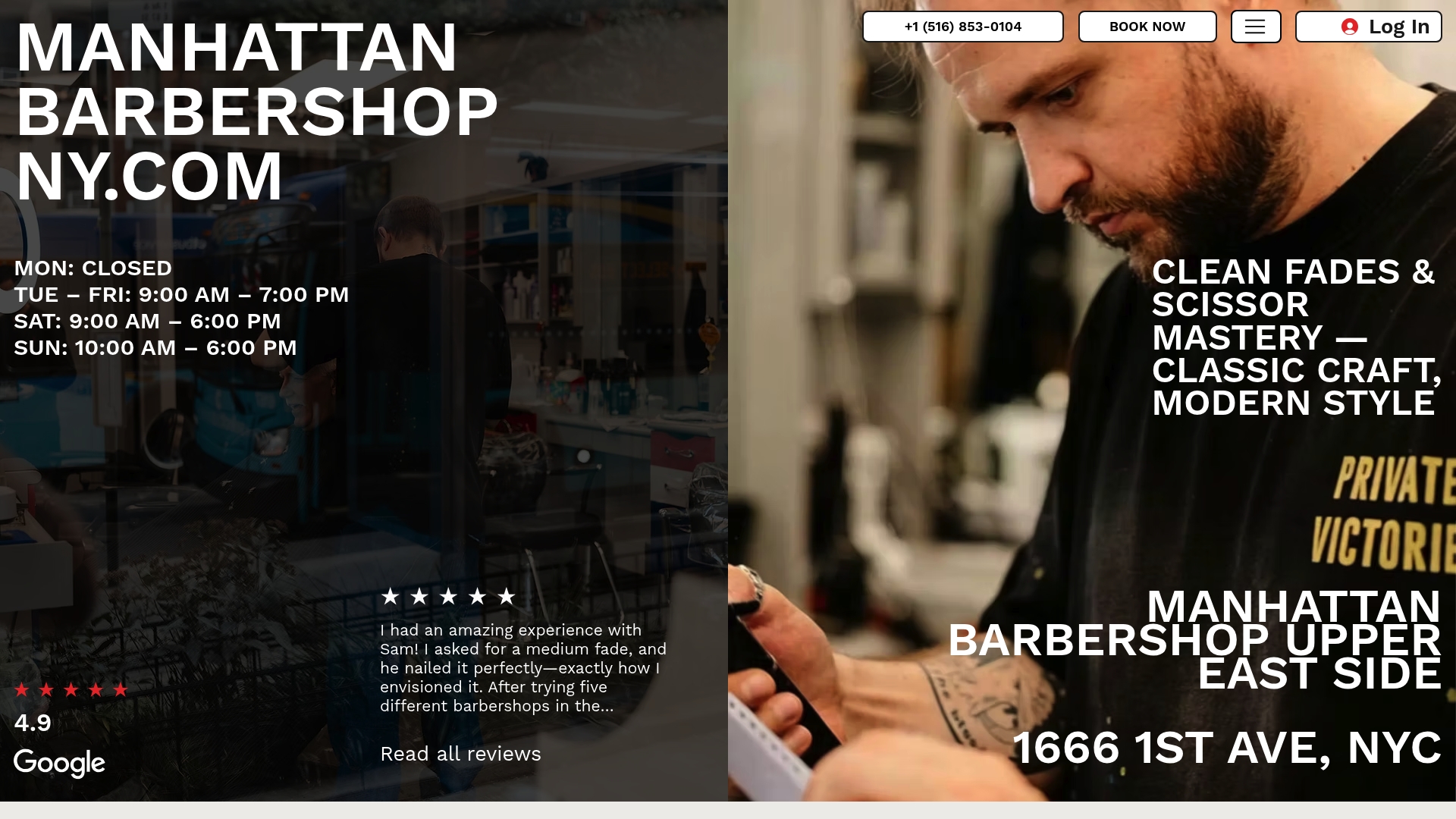
Whether you are looking for a clean regular haircut, a kids haircut for the whole family, or want to walk in and see what the shop is about, Manhattanbarbershopny welcomes you. Walk-ins are always welcome, or you can book your appointment online. Come for the cut. Stay for the culture.
FAQ
What is neighborhood barbershop culture in simple terms?
Neighborhood barbershop culture is a trust-based social environment where grooming and community conversation happen together. The barbershop functions as a third place where people build long-term relationships beyond the haircut itself.
How is a neighborhood barbershop different from a chain salon?
Independent neighborhood barbershops build ongoing relationships with clients over months and years, while chain locations typically prioritize speed and volume. That relational continuity is what creates the community barbershop experience that chains cannot replicate.
Why do people stay at barbershops after their haircut is done?
Patrons stay after appointments because the social value of the space extends beyond the service. The conversation, the familiar faces, and the sense of belonging are reasons to stay that have nothing to do with grooming.
How does barbershop culture vary across ethnic communities?
Black, Latino, queer, and immigrant barbershop spaces share a core structure of trust and community identity but express it through distinct rituals, norms, and social functions specific to their cultural context.
Can barbershops really serve a public health function?
Research confirms that barbershop health interventions succeed when they align with the community’s existing trust in the barber. Barbers have been trained to screen for hypertension and connect clients to mental health resources in communities where clinical access is limited.
Recommended
Comments