What Is a Gentleman's Fade? Your 2026 Style Guide

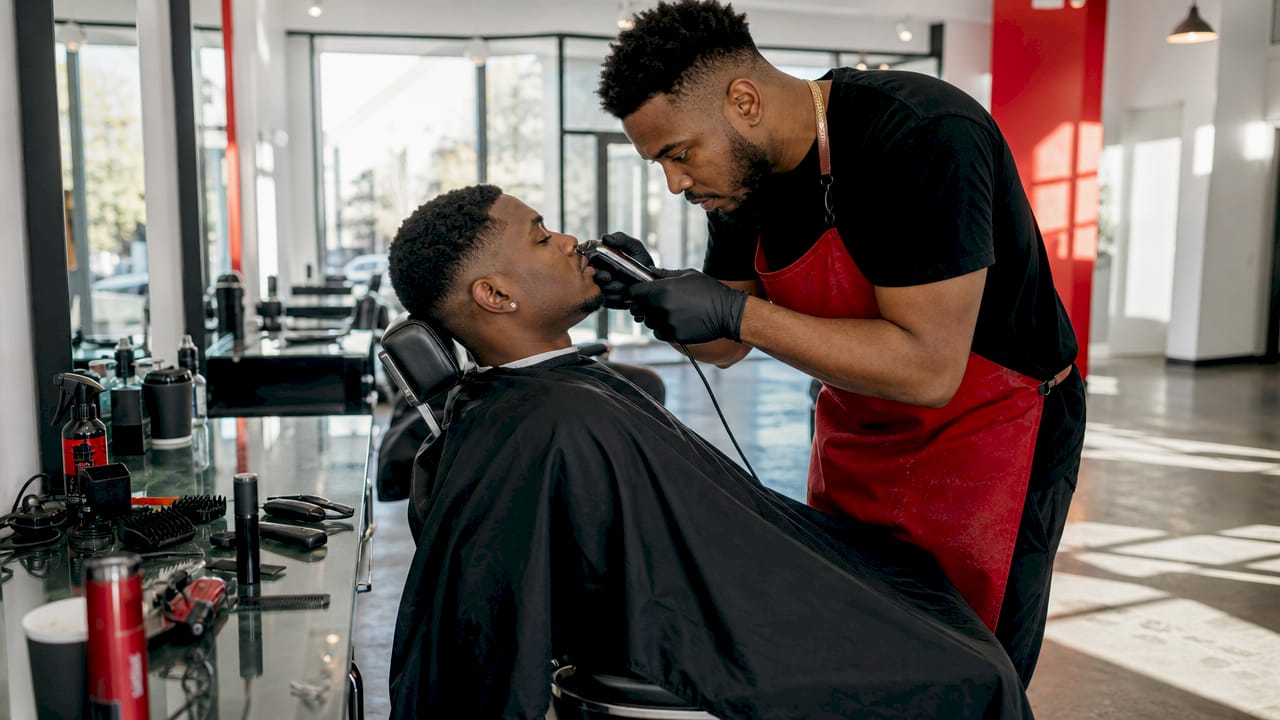
A gentleman’s fade is a men’s haircut that pairs a structured, styled top with a gradual fade on the sides and back. The industry term for this look is the taper fade, and the two names are used interchangeably by most barbers. Unlike a bold skin fade, the gentleman’s fade ends at a longer guard length, typically a #2 or #3, creating a polished transition rather than a stark contrast. The result is a cut that reads as professional in a boardroom and sharp at a weekend dinner. For men aged 18–35 building a personal image, this hairstyle delivers versatility without sacrificing edge.
What is a gentleman’s fade, exactly?
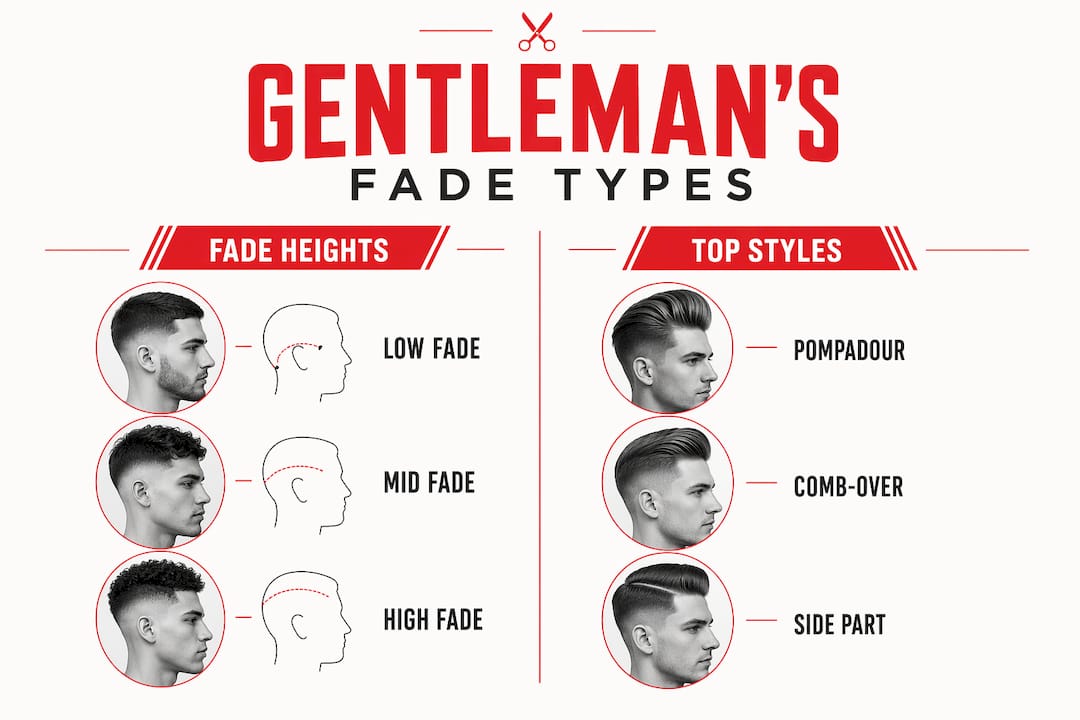
A gentleman’s fade is defined by two elements working together: a clean, traditionally styled top and a fade that gradually shortens the hair on the sides and back. The top can be worn as a side part, comb-over, pompadour, or slicked back. The fade below it transitions from longer hair near the top to shorter hair at the neckline, with the starting point determining the fade’s character.
Fade height falls into three categories. A low fade starts just above the ear, keeping the transition subtle and conservative. A mid fade begins near the temples, striking a balance between clean and contemporary. A high fade rises close to the crown, creating a bolder, more dramatic silhouette. Each height sends a different signal, and choosing the right one depends on your face shape, hair texture, and the settings you move through daily.
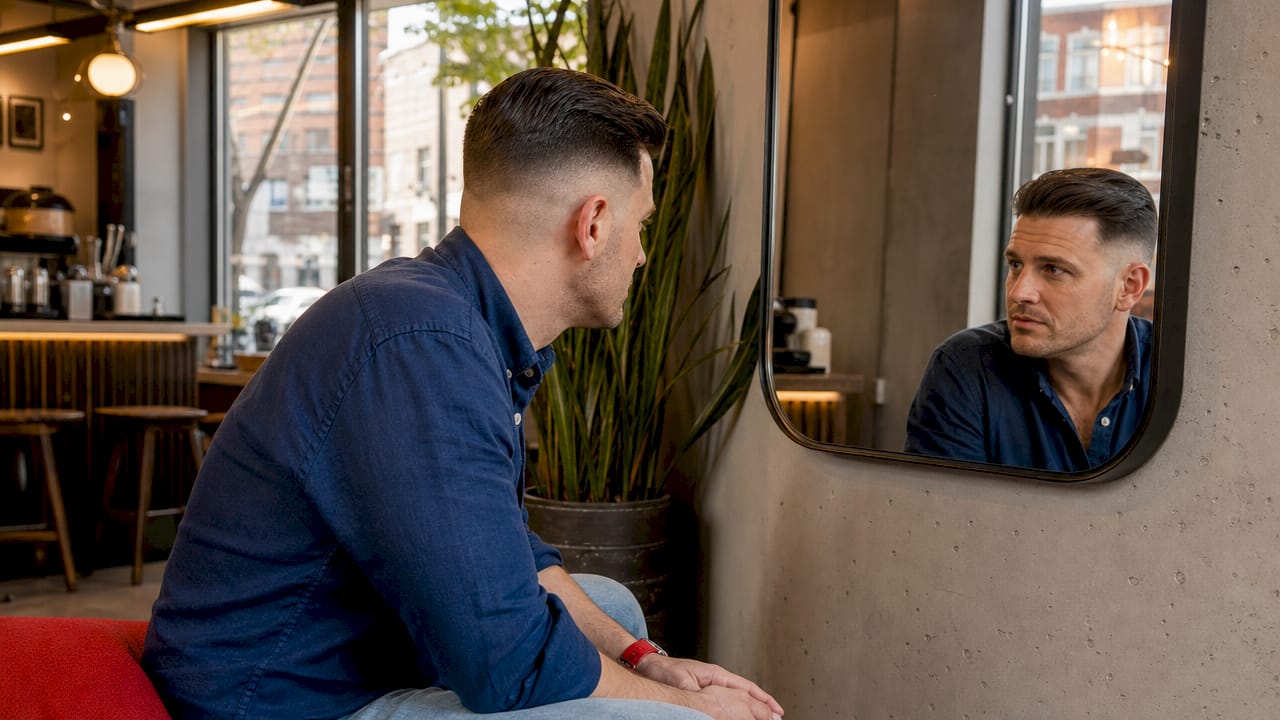
The key distinction between a gentleman’s fade and a standard fade is restraint. The gentleman’s version whispers sophistication. A skin fade shouts. That difference matters when you need a haircut that works across formal and casual environments without requiring a rebook every ten days.
How does the gentleman’s fade compare to other fade styles?
The fade family includes several distinct cuts, and confusing them leads to haircuts you did not ask for. The table below breaks down the three most common options side by side.
A taper ends with enough length to soften the transition. Skin fades blend to bare skin, which creates a sharper contrast but demands more frequent maintenance. A standard fade sits between the two, offering a clean look without the severity of a skin fade.
The gentleman’s fade wins in professional settings because the transition is gradual enough to look intentional even as it grows out. A skin fade starts looking rough within two weeks. A taper can hold its shape for three to four weeks before it needs a touch-up. That difference adds up over a year in both time and money.
Pro Tip: If you want the mid-fade balance of clean lines with enough length for a classic top, ask your barber specifically for a mid taper fade. “Mid fade” alone can mean different things depending on the shop.
What are the most popular gentleman haircut variations?
The gentleman’s fade hairstyle works because the top is flexible. The fade stays consistent while the top changes to match your hair type, face shape, and personal style. These are the four most requested combinations.
Side part with low fade. The most classic option. The side part creates a clean, structured line across the top, and the low fade keeps the sides conservative. This works best for oval and square face shapes and suits corporate environments without looking dated.
Pompadour with mid fade. The pompadour adds volume at the front and sweeps back, creating height that balances wider jaw lines. Paired with a mid fade, it reads as modern without being aggressive. This is the gentleman’s fade or pompadour combination you see most often on men in their mid-20s.
Comb-over with high fade. The comb-over directs hair across the top in a clean sweep, and the high fade underneath creates a sharp contrast that makes the top look even more defined. Best for men with thicker hair who want a statement cut.
Slicked back with low fade. Hair is pushed straight back from the forehead and held with a light product. The low fade keeps the sides neat without competing with the top. This works well for men with longer hair on top and suits both formal and casual settings.
Hair texture plays a real role in which variation holds best. Fine hair benefits from the pompadour or comb-over because both styles add the appearance of volume. Coarse or wavy hair holds a slicked-back or side-part style naturally, requiring less product to maintain shape throughout the day.
Pro Tip: Bring a photo to your barber every time, not just the first visit. The term “gentleman’s fade” means different things to different barbers. A photo removes all ambiguity and gets you the exact cut you want.
How to style a gentleman’s fade and keep it sharp
Maintenance for a gentleman’s fade follows a tighter schedule than most men expect. Touch-ups every 1–3 weeks keep the fade lines clean and the silhouette sharp. Waiting longer lets the edges blur, which undermines the entire point of the cut. A taper fade can stretch to three to four weeks between visits, while a skin fade needs attention closer to the two-week mark.
Daily styling is where most men lose the quality of their cut. Follow these steps to maintain a salon-level finish at home.
Towel dry, do not rub. Pat hair dry after showering. Rubbing creates frizz and disrupts the natural fall of the hair.
Blow dry with a round brush. Blow-drying damp hair with a round brush sets the shape and adds volume before any product touches the hair. This step separates a flat, lifeless result from a full, structured look.
Apply product to damp hair. Work product through while hair is still slightly damp for even distribution and better hold.
Choose product by hair type. Fine hair needs lightweight creams; coarse hair holds better with a wax-based product that adds texture and grip. Using the wrong product for your hair type is the most common styling mistake.
Style with a comb or fingers. Use a fine-tooth comb for side parts and comb-overs. Use fingers for pompadours and slicked-back styles to keep the texture natural.
Pro Tip: Avoid darkening your hair color to match the fade. Heavy color near the temples can make the transition look harsh and add years to your appearance. Let the natural gradient do the work.
For men looking for low-maintenance haircut options, a low taper fade with a side part is the easiest gentleman’s fade variation to maintain between barber visits.
How do you tell your barber exactly what you want?
Clear communication is the difference between the haircut you imagined and the one you walk out with. The term “gentleman’s fade” varies by barber, so relying on the name alone is not enough. Use specific language and visual references every time.
Here is what to specify before the clippers start:
Fade height. Say “low fade,” “mid fade,” or “high fade” explicitly. Do not assume the barber will default to your preference.
Guard numbers. Ask for the shortest guard at the bottom (a #0 or #1 for a taper, bare skin for a skin fade) and the guard where the fade ends (typically a #2 or #3 for a gentleman’s fade).
Top length. Tell your barber how much length to leave on top in inches, or ask them to take off a specific amount. “Leave it long enough to comb” is a useful reference.
Contrast level. Describe whether you want a subtle blend or a sharper line between the fade and the top.
Neckline shape. Choose between a tapered neckline (gradual) or a blocked neckline (squared off). The tapered option suits the gentleman’s fade better.
Bringing a photo covers all of these points at once. A clear image of the exact cut you want, shown to your barber before the cut begins, is the most reliable way to describe your fade style and get consistent results every visit. Save two or three reference photos on your phone and update them as your style evolves.
Key Takeaways
The gentleman’s fade, also known as the taper fade, delivers a polished and versatile look by combining a structured top with a gradual fade that suits professional and casual settings equally well.
Point | Details |
Core definition | A gentleman’s fade pairs a styled top with a taper fade on the sides and back, ending at a #2–#3 guard. |
Fade height matters | Low fades are subtle, mid fades are balanced, and high fades are bold. Choose based on face shape and lifestyle. |
Maintenance schedule | Taper fades need touch-ups every 3–4 weeks; skin fades require visits every 1–2 weeks to stay sharp. |
Product by hair type | Fine hair needs lightweight creams; coarse hair holds better with wax-based products for texture and grip. |
Communicate clearly | Specify fade height, guard numbers, and top length, and always bring a photo to avoid miscommunication. |
Why the gentleman’s fade never goes out of style
I have watched this cut come in and out of trend cycles for years, and it never actually leaves. What changes is the top styling. The pompadour has its moment, then the textured crop takes over, but the taper fade underneath stays constant. That tells you something important about the cut’s structure. It is not a trend. It is a foundation.
What I find most interesting is who gravitates toward it. Men who care about their appearance but do not want to look like they are trying too hard. The gentleman’s fade signals self-respect and professionalism without announcing itself. A skin fade says “I spent time on this.” A taper fade says “I always look like this.” That distinction matters more than most men realize.
The adaptability of the cut is what keeps it relevant across age groups and lifestyles. A 22-year-old can wear a high fade pompadour to a concert and a 34-year-old can wear a low fade side part to a client meeting. Same fundamental cut, completely different energy. That range is rare in men’s grooming.
My advice is to stop treating this as a one-time decision. Work with a consistent barber who learns your hair growth patterns and adjusts the fade placement over time. The best version of this cut is not the one you see in a photo. It is the one that has been refined over six months of visits with someone who knows your hair.
— Evgenii
Sharp gentleman’s fades at Manhattanbarbershopny
Manhattanbarbershopny specializes in exactly the kind of precision this cut demands. Eugene Solod and his team take the time to understand your hair type, face shape, and lifestyle before a single guard touches your head. The result is a gentleman’s fade that holds its shape for weeks, not days.

Every client at Manhattanbarbershopny gets a tailored consultation, not a cookie-cutter cut. Whether you want a low taper with a side part or a mid fade pompadour, the barbers here deliver clean lines and natural-looking results without over-relying on product. Walk-ins are welcome, or you can book your appointment online to secure your preferred time. See the full range of men’s haircut services and find the variation that fits your style.
FAQ
What is the difference between a fade and a taper?
A taper gradually shortens hair and ends at a longer guard length (#2 or #3), while a fade blends hair down to a shorter length or bare skin. The gentleman’s fade is technically a taper fade, making it the subtler and more professional of the two.
How often should I get a gentleman’s fade touched up?
Taper fades last 3–4 weeks before the edges start to blur. Skin fades need a touch-up closer to every 1–2 weeks to maintain the sharp contrast.
What top styles work best with a gentleman’s fade?
Side parts, comb-overs, pompadours, and slicked-back styles all pair well with the gentleman’s fade. The right choice depends on your hair texture and the level of formality you want.
What products work best for styling a gentleman’s fade?
Fine hair benefits from lightweight creams, while coarse hair holds better with a wax-based product. Apply product to damp hair after blow-drying with a round brush for the best shape and hold.
Can I ask for a gentleman’s fade if I have curly or wavy hair?
Yes. A taper fade works on all hair textures. Curly and wavy hair often holds a pompadour or slicked-back top naturally, and the fade underneath keeps the sides clean regardless of texture.
Recommended
Comments