Short Haircut Styles for Career Settings: 2026 Guide


Short haircut styles in career settings are defined by clean lines, low maintenance, and the ability to project confidence from the first handshake to the last meeting of the day. The right professional short hairstyle does more than look neat. It signals discipline, saves time in the morning, and holds its shape through a full workday. Whether you work in finance, tech, or a creative agency, the cut you choose communicates something before you say a word. This guide covers the best options for men and women, with styling tips and maintenance schedules to keep your look sharp.
1. Short haircut styles for men in career settings
The low taper fade and the Ivy League haircut are the two most recommended professional short hairstyles for men in corporate environments. Both styles feature clean lines at the temples and neckline, which read as polished and intentional in any business setting. The low taper fade starts its blend near the ears and neckline, creating a subtle transition that suits most face shapes and grows out gracefully between appointments.

The Ivy League, sometimes called the Princeton, keeps more length on top and allows for a side part or a light forward sweep. That extra length gives you flexibility. You can wear it more casual for a Friday meeting or slick it back for a client presentation.
The top men’s short styles for career settings:
Low taper fade. Clean, understated, and works in law, finance, and tech.
Ivy League. Versatile length on top with tapered sides for a classic executive look.
Executive crew cut. Uniform short length with a slight taper, minimal product needed.
Caesar cut. A uniform 3–4 cm on top with dense, straight bangs and soft tapered sides. Best for conservative workplaces.
Pro Tip: When you talk to your barber, ask specifically for a “low taper” rather than a “fade.” A low taper gives a conservative, subtle transition. A standard fade can go more dramatic and may not fit traditional office environments.
Shape retention and humidity resistance are the two qualities that separate a good career cut from a great one. A style that holds from 9 AM through a 6 PM dinner meeting removes the need for mid-day touch-ups entirely.
2. Top professional short hairstyles for women in office settings
A sleek, chin-length bob with sharp, clean lines is the most recognized elegant hairstyle for workplaces. It reads as polished in conservative industries and stylish enough for creative fields. The key is the precision of the cut. A blunt bob with a clean perimeter signals the same kind of attention to detail as a tailored blazer, projecting confidence and executive presence in leadership or client-facing roles.
Short hairstyles for women in office settings work best when they stay controlled throughout the day. Soft layers in a short bob add movement without looking messy. A textured pixie with a defined side part works well in both business casual and formal settings.
Top women’s short styles for career environments:
Blunt bob (chin length). Sharp lines, minimal styling, strong professional signal.
Textured pixie cut. Works in creative and business casual settings with light product.
Sleek short bob with side part. Classic and conservative, suits law firms and finance.
Low chignon or sleek ponytail. For days when you want the length off your face entirely.
Soft layered bob. Adds dimension without sacrificing a neat, workplace-ready silhouette.
Regular upkeep is non-negotiable. Women’s precision bobs need a trim every 4–6 weeks to maintain their shape. Letting a blunt bob grow out past that window blurs the lines that make it look intentional.
Pro Tip: A small amount of smoothing serum applied to damp hair before blow-drying keeps a bob flat and frizz-free all day. Apply it from mid-shaft to ends, not at the roots, to avoid weighing the style down.
3. How to maintain short haircuts across all hair types
Maintenance schedule is the single most important factor in keeping any short style looking career-ready. Men’s corporate fades need touch-ups every 3–4 weeks. Growing beyond that window causes the taper to lose definition, which makes the entire cut look unfinished. Build your trim appointment into your calendar the same way you schedule a dentist visit.
For styling, the product amount matters as much as the product type. A pea-sized amount of pomade or serum controls frizz and flyaways without making hair look greasy or overdone. That small difference separates a standard morning look from a boardroom-ready one.
Daily styling steps for a polished short cut:
Towel dry hair until damp, not soaking wet.
Apply a pea-sized amount of pomade, serum, or light cream to your palms.
Work the product through from roots to ends using your fingers.
Use a fine-tooth comb or brush to set your part or direction.
Finish with a light-hold hairspray if your environment is humid or your day runs long.
Natural hair textures styled in sleek, controlled ways are widely accepted under CROWN Act guidelines. Neat curls, braids, and twists qualify as professional when they are clean, defined, and intentional. The standard is neatness, not texture.
Pro Tip: Avoid applying product to completely dry hair. Damp hair distributes product evenly and gives you more control over the final shape.
The most common styling mistake is using too much product. Heavy product buildup makes hair look wet or greasy by midday, which undercuts the polished effect you are going for. Less is always more with low-maintenance haircut styles.
4. How to choose the right short cut for your career setting
Workplace culture directs haircut choice and boldness level more than any other factor. A law firm or investment bank calls for very conservative options: low tapers, classic crew cuts, and blunt bobs. A tech startup or design agency gives you more room for textured, modern styles with definition and movement.
Face shape plays a real role in which cut flatters you most. Oval faces work with almost any short style. Square faces benefit from cuts with some softness at the temples, like a textured crew or a soft-layered bob. Round faces look sharper with styles that add height or a defined part.
Matching your cut to your career environment:
Finance, law, government. Low taper fade, classic crew cut, blunt bob. Clean and conservative.
Healthcare, education. Neat pixie, short bob, Ivy League. Approachable and tidy.
Tech, creative, media. Textured crop, modern pixie, soft layered bob. More room for personality.
Client-facing sales. Any of the above, but prioritize shape retention and a polished finish.
The subtle difference between a low taper and a standard fade matters more than most professionals realize. A low taper communicates restraint and precision. A high fade reads as bold and fashion-forward. Know your room before you sit in the barber’s chair. If you are unsure how to describe your style to your barber, bring a reference photo and name the specific look you want.
Balancing maintenance needs with your daily routine is the final filter. A style that requires 20 minutes of blow-drying every morning will not stay consistent when your schedule gets busy. Choose a cut that looks good with five minutes of effort on a hard day.
Key takeaways
The most career-ready short haircut combines clean lines, shape retention, and a maintenance schedule you will actually keep.
Point | Details |
Maintenance frequency matters | Men’s fades need a trim every 3–4 weeks; women’s bobs every 4–6 weeks to stay sharp. |
Match boldness to your industry | Conservative fields call for low tapers and blunt bobs; creative fields allow more texture. |
Product amount is critical | A pea-sized amount of pomade or serum is enough to control frizz without looking greasy. |
Natural textures are professional | Neat curls, braids, and twists meet workplace standards under CROWN Act guidelines. |
Face shape guides the final choice | Oval faces suit any short style; square and round faces benefit from specific cuts. |
What I’ve learned about short haircuts and career confidence
I have watched the same pattern play out hundreds of times at Manhattanbarbershopny. A client walks in with a grown-out cut, sits down looking a little tired, and leaves standing two inches taller. That is not an exaggeration. A clean, well-chosen short haircut changes how you carry yourself.
The conventional wisdom says your work speaks for itself. That is true. But your appearance sets the frame before your work gets a chance to speak. A pixie cut or a sharp low taper communicates precision and discipline the same way a pressed shirt does. It tells the room you pay attention to details.
What surprises most clients is how much easier their mornings get. A well-executed short cut at Manhattanbarbershopny is designed to hold its shape with minimal effort. Eugene Solod, the owner, specifically focuses on cuts that look natural without heavy product use. That philosophy is practical for professionals who need to get out the door fast and still look put together.
The mistake I see most often is waiting too long between trims. A low taper that has grown out three weeks past its prime does not look like a low taper anymore. It looks like a haircut that was forgotten. Book your next appointment before you leave the shop. Treat it like a recurring work commitment, because in a real sense, it is.
— Evgenii
Manhattanbarbershopny: career-ready cuts on the Upper East Side
Young professionals in New York City need a barbershop that understands the difference between a sharp career cut and a generic trim.
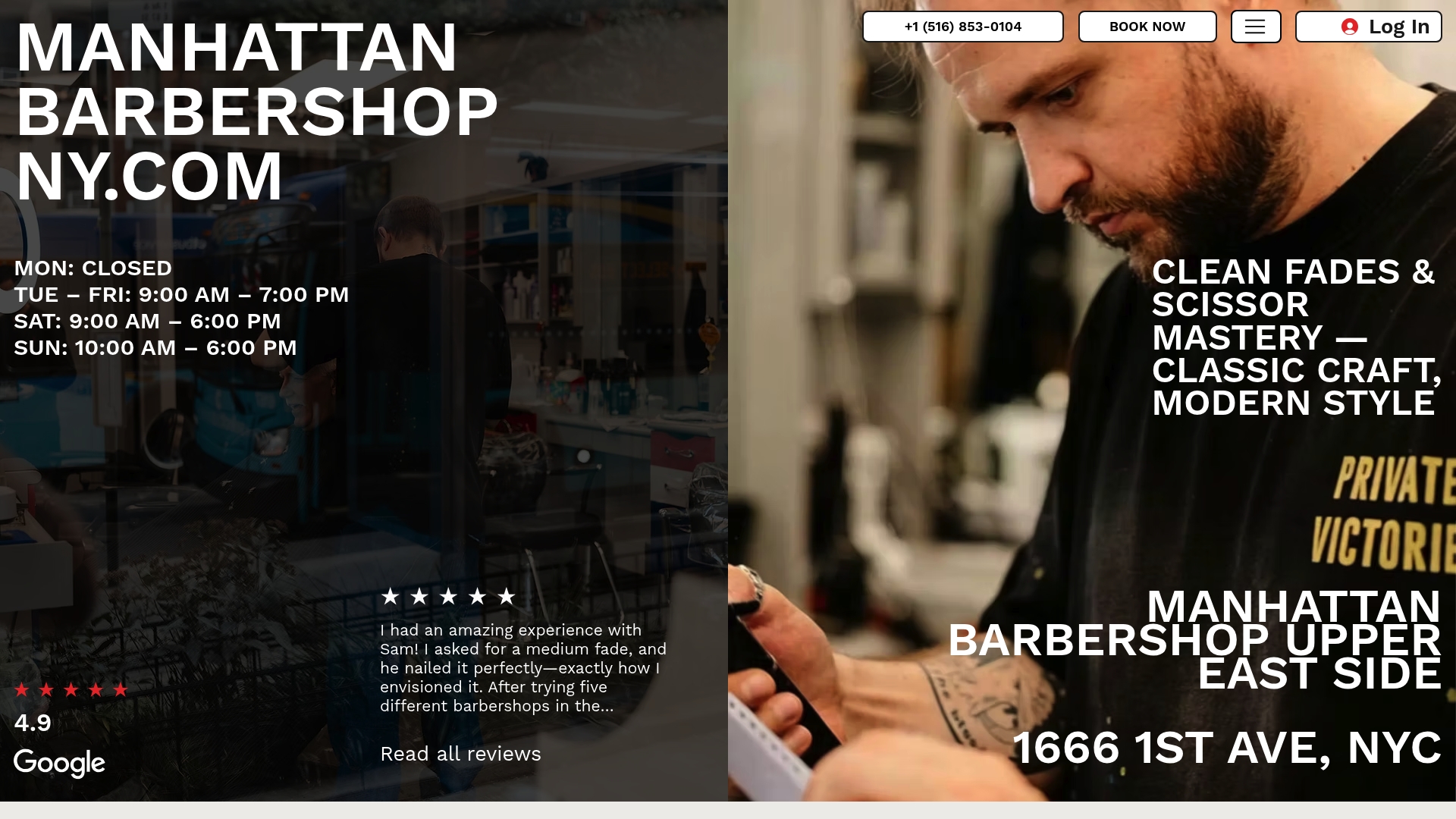
Manhattanbarbershopny specializes in clean fades and classic cuts built to hold their shape through long workdays. Eugene Solod and his team take the time to understand your hair type, your industry, and your daily routine before picking up the clippers. The result is a cut that looks polished on Monday morning and still looks intentional on Friday afternoon. Walk-ins are welcome, or you can book your appointment online to secure your preferred time. For professionals who want a first look at the shop’s work, expert haircut services are available with flexible scheduling.
FAQ
What short haircut works best for a job interview?
The low taper fade and the Ivy League haircut are the top recommended options for men. Women do best with a sleek blunt bob or a neat pixie cut. Both signal precision and professionalism.
How often should I get a trim to keep my short cut professional?
Men’s fades and tapers need a touch-up every 3–4 weeks. Women’s precision bobs require a trim every 4–6 weeks. Letting either style grow past that window causes the cut to lose its clean definition.
Can natural hair textures look professional in a corporate setting?
Yes. Neat curls, braids, and twists are widely accepted as professional under CROWN Act guidelines. The standard is that the style looks clean, defined, and intentional, not that it conforms to a specific texture.
What is the difference between a low taper and a fade for work?
A low taper creates a subtle, conservative blend starting near the ears and neckline. A standard fade can be more dramatic and bold. For traditional office environments, a low taper is the safer and more polished choice.
How much styling product should I use on a short professional cut?
A pea-sized amount of pomade or serum is the right quantity for most short styles. More than that risks a greasy or overdone look by midday. Apply to damp hair for the most even distribution and best control.
Recommended
Comments