Barber vs Stylist: Make the Right Choice for Your Hair
- Evgenii Solod
- Jun 4
- 8 min read

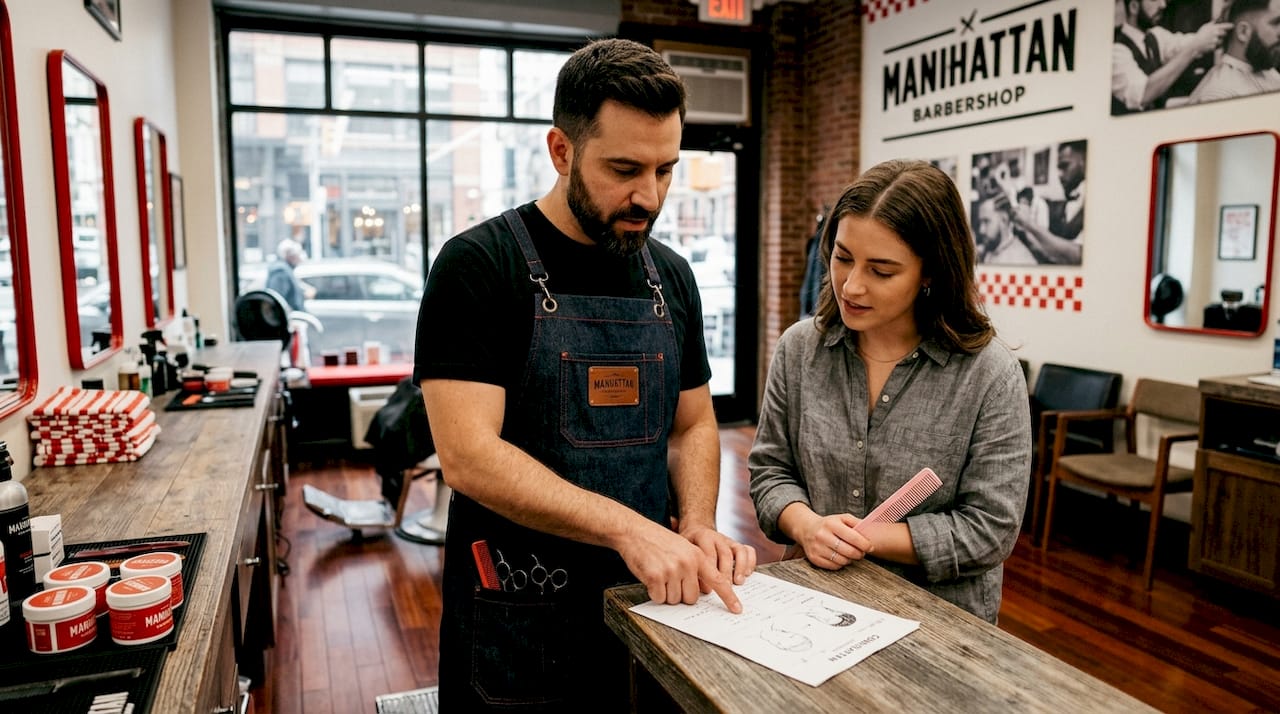
Choosing between a barber and a stylist is a decision defined by the specific services your hair actually needs. Barbers specialize in clipper work, short cuts, fades, and facial hair grooming, while hairstylists focus on longer hair, chemical treatments, and color services. These are not interchangeable roles. Understanding the difference between barber and stylist training and service scope is the single most useful thing you can do before booking your next appointment. The barber vs stylist right choice comes down to one question: what does your hair actually need done?
What are the training and licensing differences between barbers and stylists?
Barbers and hairstylists share overlapping roles but follow entirely different educational paths, and that gap shapes everything about what each professional can legally and skillfully do for you. Barber programs typically run 10 to 12 months and focus on clipper techniques, straight razor shaving, and short hair cutting. Cosmetology programs are longer, running approximately 1,400 to 1,600 hours, and cover a broader curriculum that includes skin care, nail services, and chemical treatments like perms and relaxers.
State licensing requirements reflect these differences. Both professionals must pass written and practical exams, maintain sanitation standards, and renew credentials on a regular schedule. Virginia’s licensing rules, for example, mandate wet disinfection units at every station and prohibit reusing single-use tools. Similar standards apply across most states, meaning any licensed barber or stylist you visit is operating under enforceable hygiene rules.
The curriculum gap matters beyond just hours. Barber school trains students specifically on clipper guards, taper techniques, and straight razor blade work. Cosmetology school trains students on chemical formulas, color theory, and cutting techniques suited to longer hair. Neither program is superior. They are designed for different outcomes.
Barber programs: 10 to 12 months, clipper and razor focus
Cosmetology programs: 1,400 to 1,600 hours, broader chemical and styling curriculum
Both require state licensing, sanitation compliance, and credential renewal
Some professionals cross-license in both fields to expand their service offerings
Pro Tip: Ask any new barber or stylist where they trained and what their license covers. A licensed professional will answer without hesitation, and the answer tells you exactly what they are qualified to do.
What services does each professional typically offer?
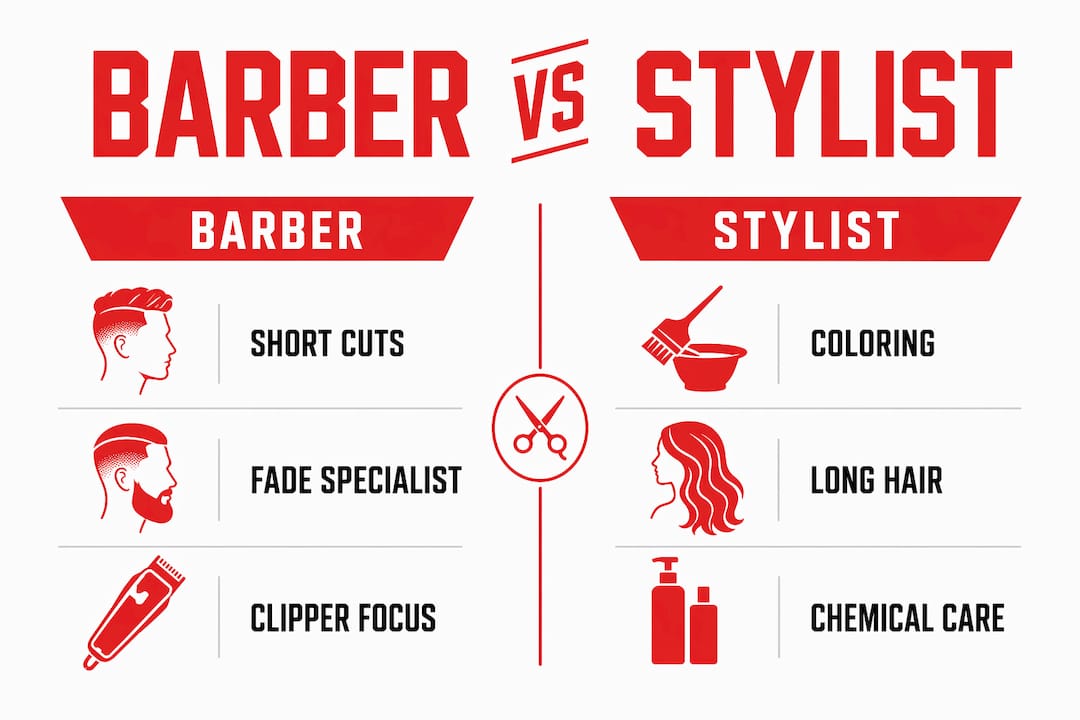
The service list is where the practical difference becomes obvious. Barber services center on short haircuts, fades, tapers, beard trims, straight razor shaves, and scalp massages. These services require precision with clippers and razors, and a skilled barber can execute them faster and more cleanly than most stylists because that is the entire focus of their training.
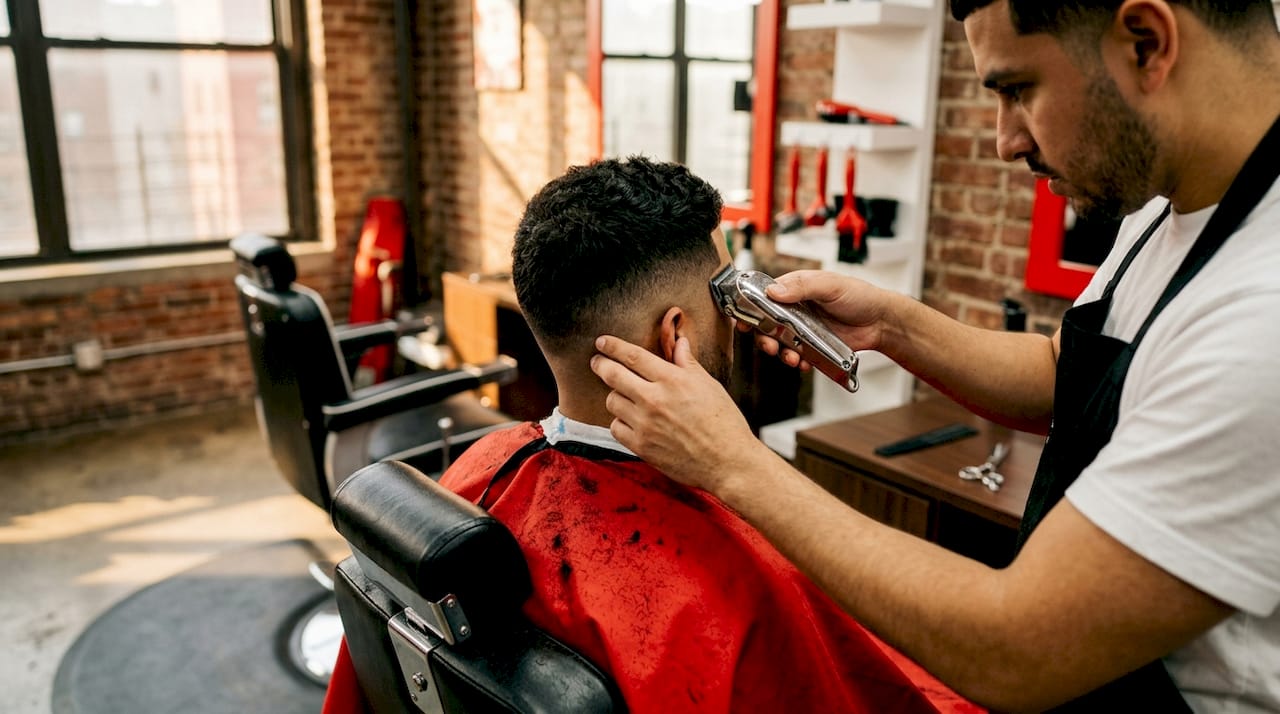
Hairstylists offer a wider menu. Cosmetologists are licensed in hair, nails, and skin, meaning their services can include hair coloring, perms, chemical relaxing, layered cuts, makeup, facials, and manicures depending on their specialty. A stylist at a full-service salon may spend an hour on a single client’s color consultation before scissors ever touch the hair.
The environment reinforces these differences. Barbershops typically operate on a walk-in or quick-appointment model, with a casual atmosphere built around efficient, repeatable cuts. Salons are usually appointment-based, quieter, and oriented toward longer, more creative sessions. Neither setting is better. They serve different purposes.
Service | Barber | Stylist |
Short haircuts and fades | Yes, primary specialty | Limited |
Beard trims and straight razor shaves | Yes | Rarely |
Hair coloring and chemical treatments | Rarely | Yes, primary specialty |
Layered cuts for longer hair | Limited | Yes |
Walk-in availability | Common | Less common |
Scalp massages | Yes | Sometimes |
Pro Tip: If you want a fade touched up every three weeks, a barbershop is faster and more cost-effective. If you want a color refresh with a cut, book a stylist and plan for a longer appointment.
How to choose between a barber or stylist based on your hair type and goals
Choosing a barber or stylist based on your hair type and style goals is the most direct way to avoid a disappointing appointment. Use these criteria to make the call before you book.
Assess your cut length. Short hair, especially anything requiring clipper work, tapers, or fades, belongs in a barbershop. Longer hair with layers, texture, or volume styling belongs with a stylist. The tools and training are simply better matched to those outcomes.
Identify any chemical needs. If your appointment involves color, highlights, a perm, or a chemical relaxer, book a licensed cosmetologist. Barbers are not trained in chemical services, and attempting them without that training creates real risk of damage.
Consider your facial hair. Beard shaping, straight razor line-ups, and mustache trims are barber territory. Most stylists do not carry the tools or training for precise facial hair work.
Think about the atmosphere you want. Barbershops tend to be social, quick, and straightforward. Salons tend to be quieter and more consultation-heavy. If you want a conversation about your hair goals and a creative session, a stylist fits that experience better.
Factor in maintenance frequency. Fades and short cuts typically need a refresh every two to four weeks. Longer styled cuts can go six to eight weeks between appointments. A barbershop’s walk-in model suits high-frequency clients. A salon’s appointment structure suits less frequent, more involved visits.
Bring a reference photo. Whether you visit a barber or a stylist, a photo removes ambiguity. Describing a “medium fade” means different things to different people. A photo does not. This single habit prevents more bad haircuts than any other tip.
Ask about specialization. Not every barber excels at every cut, and not every stylist handles every color technique equally well. Asking “do you do a lot of these?” before sitting down is a reasonable and respected question in both settings.
Loyalty also plays a role here. Once you find a professional who understands your hair texture, growth patterns, and preferences, staying with them produces consistently better results than rotating through new providers. The quality of your barbershop experience compounds over time as your barber or stylist builds a mental model of exactly how your hair behaves.
Common mistakes to avoid when booking your haircut appointment
Booking the wrong type of professional for your needs is the most common and most avoidable mistake. Choosing based on price or convenience alone, without considering whether that professional actually specializes in what you need, produces predictable disappointment.
Booking a barber for a color service. Barbers are not licensed for chemical treatments. Asking for highlights at a barbershop is not just outside their training. It may be outside their legal scope of practice.
Booking a stylist for a tight fade. Many stylists have limited clipper experience. A fade requires specific technique that barber training emphasizes from day one.
Ignoring sanitation. Both barbershops and salons must comply with tool sterilization standards enforced by state licensing boards. If a shop’s tools look unclean or you do not see disinfectant solution at the station, leave.
Skipping the consultation. Walking in with no idea what you want and hoping for the best produces inconsistent results. A one-minute conversation about your goals before the cut starts changes the outcome significantly.
Assuming all professionals in one category are the same. A barber who specializes in textured hair and a barber who specializes in classic tapers are both barbers, but their strengths differ. Specialization matters within each category, not just between them.
Pro Tip: Schedule a consultation before committing to a major change, whether that is a new style with a barber or a color overhaul with a stylist. Most professionals offer this at no charge, and it tells you immediately whether they understand what you are asking for.
Key takeaways
The right choice between a barber and a stylist depends entirely on your hair length, desired services, and how often you need maintenance.
Point | Details |
Training paths differ significantly | Barbers train 10 to 12 months on clipper and razor work; cosmetologists train 1,400 to 1,600 hours on a broader curriculum. |
Services define the choice | Short cuts, fades, and beard work go to a barber; color, chemical treatments, and layered styles go to a stylist. |
Environment shapes the experience | Barbershops favor walk-ins and quick service; salons favor appointments and creative consultations. |
Sanitation is non-negotiable | Both settings must meet state licensing standards for tool sterilization and single-use item disposal. |
Bring a photo, ask about specialization | These two habits eliminate the most common causes of a disappointing haircut. |
Why I think most people overthink this decision
People spend more time debating barber versus stylist than they spend actually communicating with the professional once they sit down. That is the real problem. I have seen clients walk into a barbershop with a vague idea and walk out frustrated, not because the barber lacked skill, but because the client never said what they actually wanted.
The barber vs stylist right choice is genuinely straightforward once you know your hair goals. Short hair with clipper work? Go to a barber. Color, chemicals, or longer cuts? Go to a stylist. The confusion mostly comes from people treating these as equivalent options when they are specialized trades with different tools and different training.
What I find underappreciated is the value of cross-licensed professionals. Some barbers hold cosmetology licenses and vice versa, which means they can legally and skillfully handle both sides of the service menu. If you find one of these professionals, hold onto them. They are rare and genuinely useful for clients whose needs span both categories.
The other thing worth saying plainly: loyalty to a skilled professional pays off faster than most people expect. Your barber or stylist learns your hair over time. The third visit is always better than the first, and the tenth is better still. Switching constantly in search of the perfect cut is usually the reason people never find it.
— Evgenii
Experience expert barber services at Manhattanbarbershopny
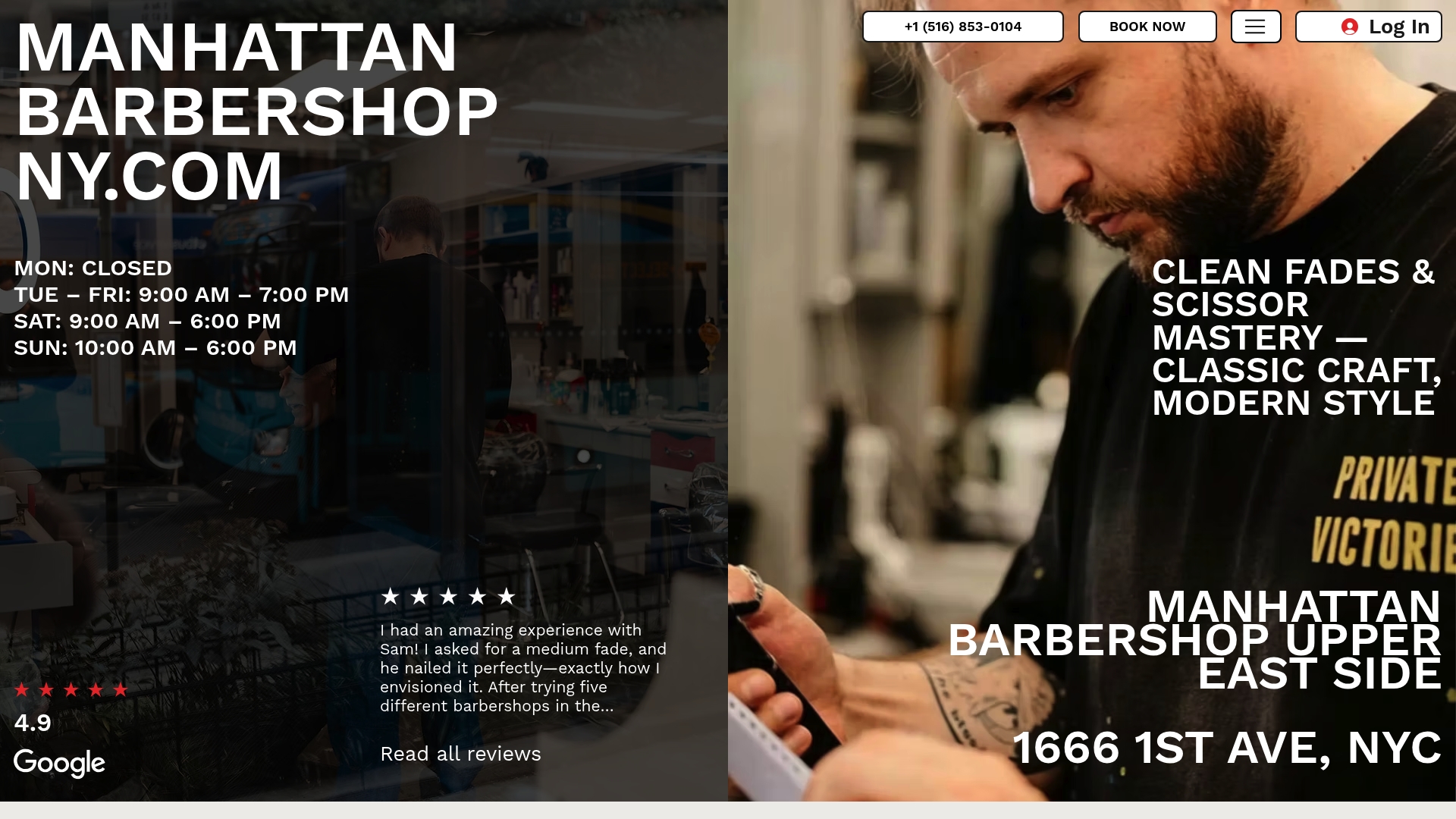
Manhattanbarbershopny on the Upper East Side of Manhattan delivers exactly the kind of precision short haircuts, clean fades, and tailored grooming that this article describes as barber territory. Owner Eugene Solod and his team take the time to understand each client’s hair type and growth patterns before a single clipper touches the head. The result is a cut that holds its shape for weeks without requiring heavy product. Whether you want a classic taper, a signature Iroquois cut, or a straight razor finish, the shop handles walk-ins and scheduled appointments. Book your appointment online and arrive knowing exactly what you are getting.
FAQ
What is the main difference between a barber and a stylist?
Barbers specialize in clipper work, short haircuts, fades, and straight razor shaving, while hairstylists are trained in longer hair cutting, chemical treatments, and color services. The training paths, tools, and licensed service scopes are distinct.
Which is better for a fade: a barber or a stylist?
A barber is the right choice for a fade. Clipper technique and taper work are the core of barber training, and most stylists have limited experience with the precision required for a clean fade.
Can a barber do hair coloring?
Standard barber licensing does not cover chemical services like hair coloring or perms. Some barbers hold additional cosmetology licenses, but unless they do, color services require a licensed cosmetologist or hairstylist.
How do I choose a barber for the first time?
Ask about their specialization, check that the shop meets sanitation standards, and bring a reference photo of the cut you want. A brief conversation before sitting down tells you quickly whether the barber has experience with your hair type and desired style.
Do barbershops accept walk-ins?
Most barbershops operate on a walk-in model or offer same-day appointments, which contrasts with salons that typically require advance booking. Availability varies by location, so calling ahead for a first visit is always a practical move.
Recommended
Comments