How Barbers Adapt Styles to Lifestyle: 2026 Guide

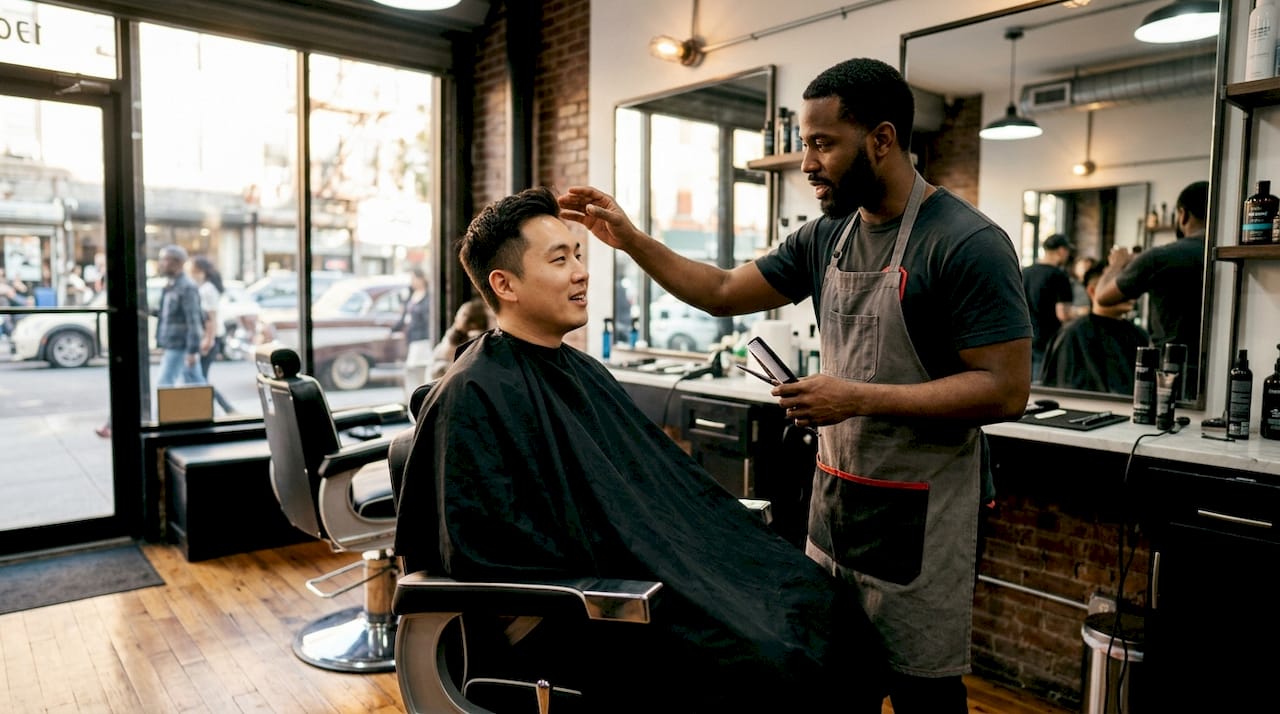
Lifestyle-based hair adaptation is the practice of designing a haircut around a client’s daily routine, hair texture, and maintenance capacity rather than trend alone. Skilled barbers use three core tools: face shape analysis, hair growth pattern assessment, and styling time evaluation. The result is a cut that looks intentional at the gym, in the boardroom, and everywhere in between. Understanding how barbers adapt styles to lifestyle gives you the power to walk into any consultation and get a cut that actually works for your life.
How do barbers adapt styles to lifestyle?
The best barbers treat every consultation as a diagnostic session, not a menu order. Three pillars drive every decision: face shape, hair growth pattern, and daily routine. According to the secret science behind great cuts, these three factors predict how a style holds up during physical activity and under headgear like helmets or hats.
Face shape determines proportion. A square jaw calls for softness at the sides; a long face benefits from width at the temples. Hair growth patterns are equally important. Adapting cuts to growth patterns can reduce daily maintenance by up to 50%. That is not a small number. It means the right structural cut can cut your morning routine in half without sacrificing how the style looks.
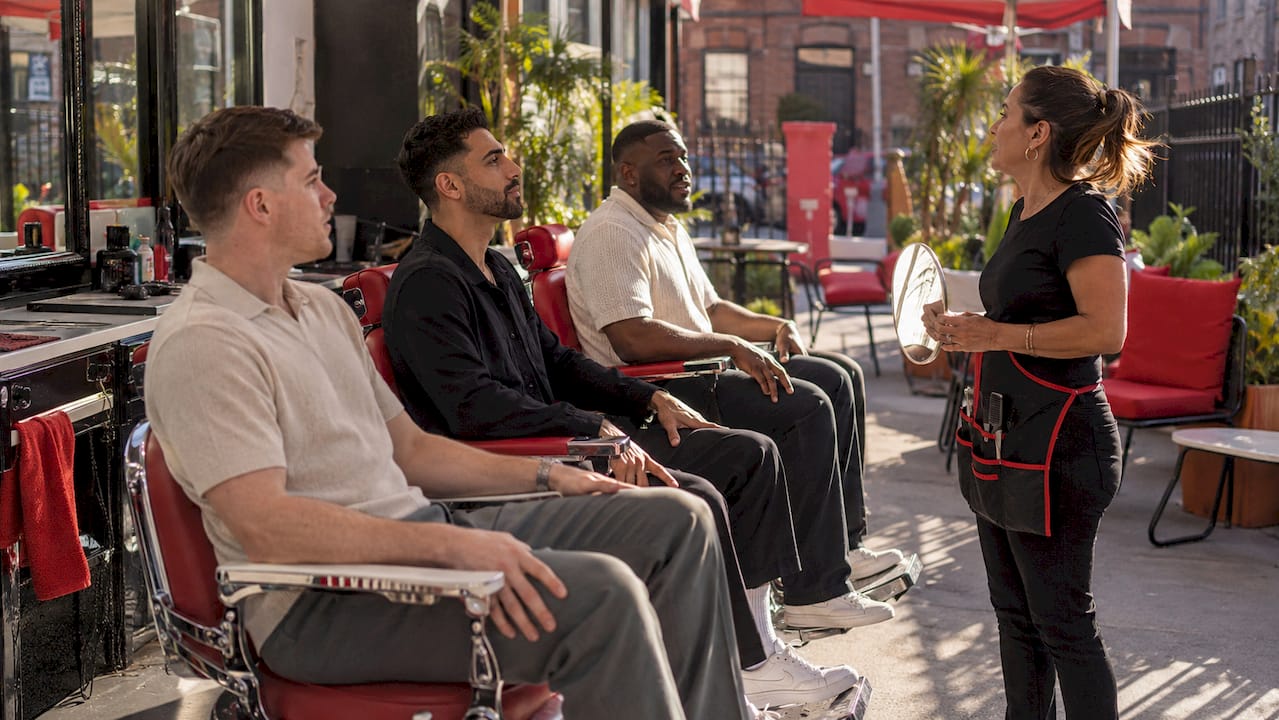
Daily routine is where the real customization happens. A barber needs to know whether you work out before work, wear a hard hat on a job site, or sit in client meetings all afternoon. Each constraint shapes the cut differently.
Key lifestyle factors barbers analyze:
Styling time: Do you have 2 minutes or 15 minutes each morning?
Physical activity: Sweat compresses fades and flattens volume fast.
Headgear: Helmets, hats, and hard hats flatten the crown and create crease lines.
Work environment: Corporate settings often require cleaner, more conservative silhouettes.
Hair texture: Coarse, fine, curly, or straight hair each respond differently to the same cut.
Pro Tip: Tell your barber exactly how many minutes you spend on your hair each morning. That single number shapes the entire structural decision more than any photo reference you could bring.
How do 2026 barber style trends affect lifestyle cuts?
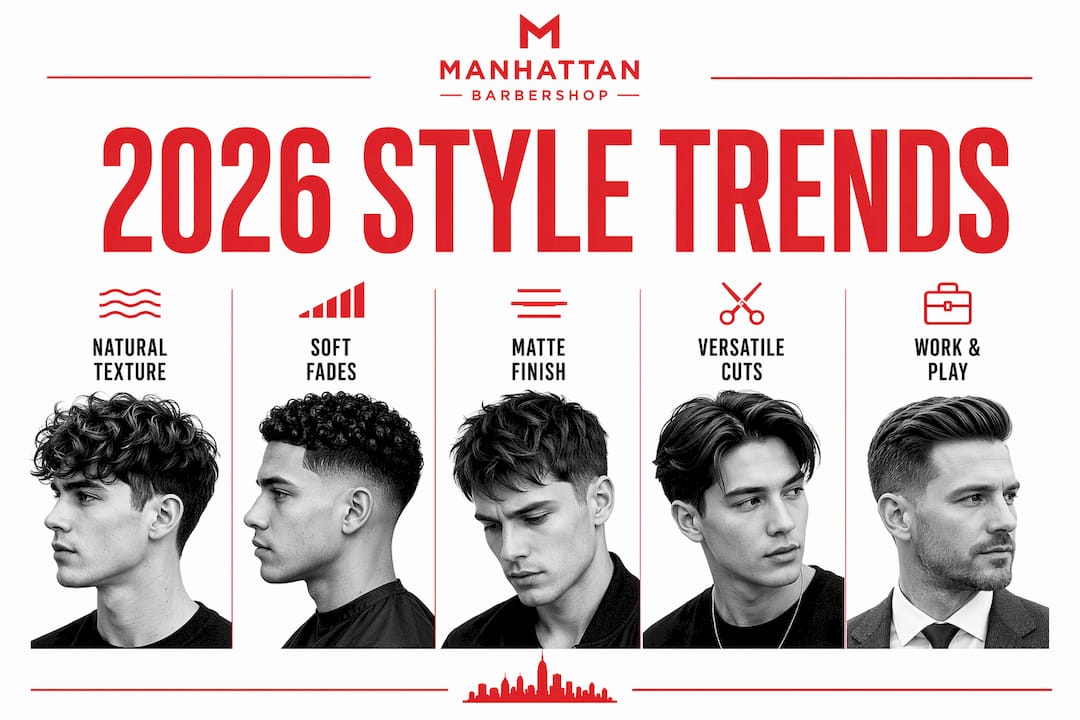
The 2026 trend shift is the most lifestyle-friendly movement the industry has seen in years. Sharp, high-contrast fades and glossy pomade finishes are giving way to softer fades and matte textures. Matte clays and texture powders now dominate the product shelf, replacing the shiny pomades that required precise application and touch-ups throughout the day.
The natural texture priority in 2026 means cuts are designed to work with your hair’s natural fall rather than fight it. That directly reduces product dependency and speeds up your daily routine. A style that cooperates with your hair’s natural movement is a style you can actually maintain.
2026 Trend | Lifestyle Benefit | Best For |
Soft, blended fades | Grows out cleanly over 4–6 weeks | Busy professionals, infrequent visitors |
Matte clay finish | No shine maintenance, quick application | Athletes, outdoor workers |
Textured medium length | Works dressed up or casual | Clients with varied social and work schedules |
Natural fall cuts | Zero product days are still presentable | Low-maintenance lifestyle clients |
The shift toward versatile, work-and-play cuts is not accidental. Barbers are responding to clients who want one cut that covers multiple scenarios. A textured medium-length style can move from a corporate meeting to a weekend barbecue with nothing more than a product swap.
Pro Tip: Ask your barber specifically about matte texture products in 2026. A matte clay applied to damp hair takes 30 seconds and delivers a lived-in look that holds through a full workday without reapplication.
How do barbers balance maintenance time with personalization?
Maintenance time is the most underrated variable in haircut selection. Styling time categories break down clearly: wash-and-go styles require 0–2 minutes, mid-effort styles need 3–7 minutes, and elaborate looks demand 10 or more minutes daily. Knowing which category fits your life is the starting point for every personalized cut.
Salon visit frequency matters just as much as daily styling time. Fades require a return visit every 2–3 weeks to stay sharp. Layered styles and lived-in shapes, by contrast, can go 8–12 weeks between cuts. Experienced barbers prioritize cuts that remain intentional during the grow-out phase, reducing the pressure on clients to visit frequently.
Maintenance comparison by style type:
Tight fade: Sharp for 10–14 days, needs a trim every 2–3 weeks, 2–5 minutes daily styling.
Textured crop: Presentable for 4–6 weeks, 2–4 minutes daily, minimal product.
Layered medium length: Grows out naturally for 8–12 weeks, 5–10 minutes daily.
Wash-and-go natural: No daily styling required, trim every 8–12 weeks.
The trade-off is real. A sharp fade looks precise and clean. It also demands the most frequent salon visits and the most consistent daily attention. A softer, textured cut sacrifices some precision but gives you weeks of low-effort wearability. For haircuts for busy professionals, the textured crop or soft layered style almost always wins on practicality.
Style Type | Daily Styling Time | Salon Visit Frequency |
Tight fade | 2–5 minutes | Every 2–3 weeks |
Textured crop | 2–4 minutes | Every 4–6 weeks |
Layered medium | 5–10 minutes | Every 8–12 weeks |
Natural wash-and-go | 0–2 minutes | Every 8–12 weeks |
How can clients communicate lifestyle needs to their barber?
Clear communication produces better cuts than any photo reference. Functional constraints like helmet use, workout frequency, and morning time budgets guide the structural decisions a barber makes. A photo shows a finished look. Your lifestyle details tell the barber how to build a cut that survives your actual day.
Here is how to communicate your needs effectively:
State your morning time budget first. “I have three minutes” is more useful than “I want something easy.” It sets a hard structural constraint.
Describe your physical activity. Daily workouts mean sweat, compression, and frequent washing. Your cut needs to reset quickly after a shower.
Mention any headgear. Helmets flatten the crown and create crease lines. A barber can adjust the crown structure to minimize this.
Explain your work environment. A construction site and a law firm require different silhouettes. Be specific about dress code expectations.
Be honest about your product use. If you never use product, say so. A cut designed for daily product use will look unfinished without it.
Photos are still useful, but use them correctly. Bring a photo to show the general direction you want, then let the barber adapt it. Barbers adapt elements of inspirational styles rather than replicating them exactly. A celebrity cut that works on thick, straight hair will not translate directly to fine, wavy hair. Your barber’s job is to extract what you like about the photo and rebuild it for your hair type and daily life. Learning how to communicate your style to your barber is a skill worth developing before every appointment.
What are the best lifestyle-adaptive hairstyles?
The most practical hairstyles for different lifestyles share one quality: they work in more than one context without requiring a full restyle. Versatile cuts let clients move from corporate to casual with a product swap or a quick finger-style. That flexibility is the definition of a lifestyle-friendly haircut.
Top lifestyle-adaptive styles by client type:
Textured medium-length cut (work and play): Sits above the collar, works with matte clay for the office, and air-dries naturally on weekends. The most requested style for clients with mixed professional and social schedules.
Soft layered cut (low maintenance): Layers remove bulk and allow natural movement. No product required for a presentable look. Grows out cleanly for up to 10 weeks.
Tapered natural (athletes and helmet users): Short on the sides, with enough length on top to retain shape after compression. The crown is cut to spring back after a helmet comes off.
Longer natural fall (minimal commitment): Works for clients who want length without daily effort. The cut follows the hair’s natural growth direction, so it looks intentional even without styling.
Classic taper (professionals): Clean enough for formal environments, soft enough to wear casually. A timeless style that adapts to most face shapes and hair textures.
The right style is not always the most fashionable one. It is the one that fits your actual schedule, survives your actual activities, and requires only the effort you are genuinely willing to give it every morning.
Key takeaways
Barbers who analyze lifestyle, hair growth patterns, and maintenance time consistently deliver cuts that look better longer and require less daily effort.
Point | Details |
Three consultation pillars | Face shape, hair growth pattern, and daily routine drive every personalized cut decision. |
Maintenance time defines style | Stating your morning time budget gives barbers a hard structural constraint to design around. |
2026 trends favor low maintenance | Soft fades, matte clays, and natural texture cuts reduce product dependency and daily effort. |
Photos guide but do not dictate | Barbers adapt elements of reference photos to suit your hair type and lifestyle, not replicate them. |
Grow-out phase matters | Cuts designed to stay intentional for 8–12 weeks are the most practical choice for busy clients. |
What i have learned after years of watching clients get this wrong
Most clients walk in with a photo and walk out disappointed. Not because the barber did a bad job, but because the photo showed a result that required 20 minutes of daily styling, a specific hair texture, and a product budget the client had no intention of maintaining. The consultation is where the real work happens, and most clients skip it.
The clients who get the best results are the ones who talk first and show photos second. They describe their mornings, their jobs, their workouts. They admit they hate using product. They tell the barber they wear a hat every day. That information is worth more than any celebrity reference photo.
I have also noticed that the clients who resist versatile, lived-in styles are often the ones who come back most frustrated. They want the sharpest fade possible, then complain it looks grown out after two weeks. A softer, textured cut would have looked great for six weeks with zero extra effort. Choosing a consistent barber relationship compounds this effect. A barber who knows your hair over multiple visits makes better decisions faster.
The best haircut you will ever get is the one you can actually maintain. That is not a compromise. That is the goal.
— Evgenii
Get a cut that fits your life at Manhattanbarbershopny
Manhattanbarbershopny specializes in exactly this kind of personalized approach. Eugene Solod and his team start every appointment with a real consultation, covering hair type, daily routine, and styling time before a single cut is made. The focus is on natural looks that hold their shape for weeks without heavy product use.
Whether you need a regular haircut built around a busy professional schedule or something more specialized, Manhattanbarbershopny delivers cuts that work in real life. Clients return not just because the cut looks good on day one, but because it still looks intentional on day 30. Book your appointment at Manhattanbarbershopny and walk in knowing exactly what to tell your barber.
FAQ
What does a barber ask during a lifestyle consultation?
A barber typically asks about your morning styling time, physical activity, work environment, and headgear use. These details shape the structural decisions behind your cut more than any photo reference.
How often should you visit a barber for a lifestyle-friendly cut?
Visit frequency depends on your style. Fades require a return every 2–3 weeks, while textured or layered cuts can go 8–12 weeks between visits without losing their shape.
Can any hairstyle be adapted to a low-maintenance lifestyle?
Most styles can be modified, but not all translate equally. Barbers adapt elements of a desired look to suit your hair type and daily capacity rather than replicating it exactly.
Why do celebrity haircuts not always work for regular clients?
Celebrity cuts are often styled daily by professionals using multiple products. Barbers extract the elements that suit your hair texture and lifestyle, then rebuild the look for real-world wearability.
What is the best haircut for a busy professional?
A textured medium-length cut or soft taper is the most practical choice. Both styles transition from formal to casual settings and require minimal daily effort to maintain.
Recommended
Comments