Types of Kids Haircuts for Boys: 2026 Style Guide
- Evgenii Solod
- 2 days ago
- 10 min read

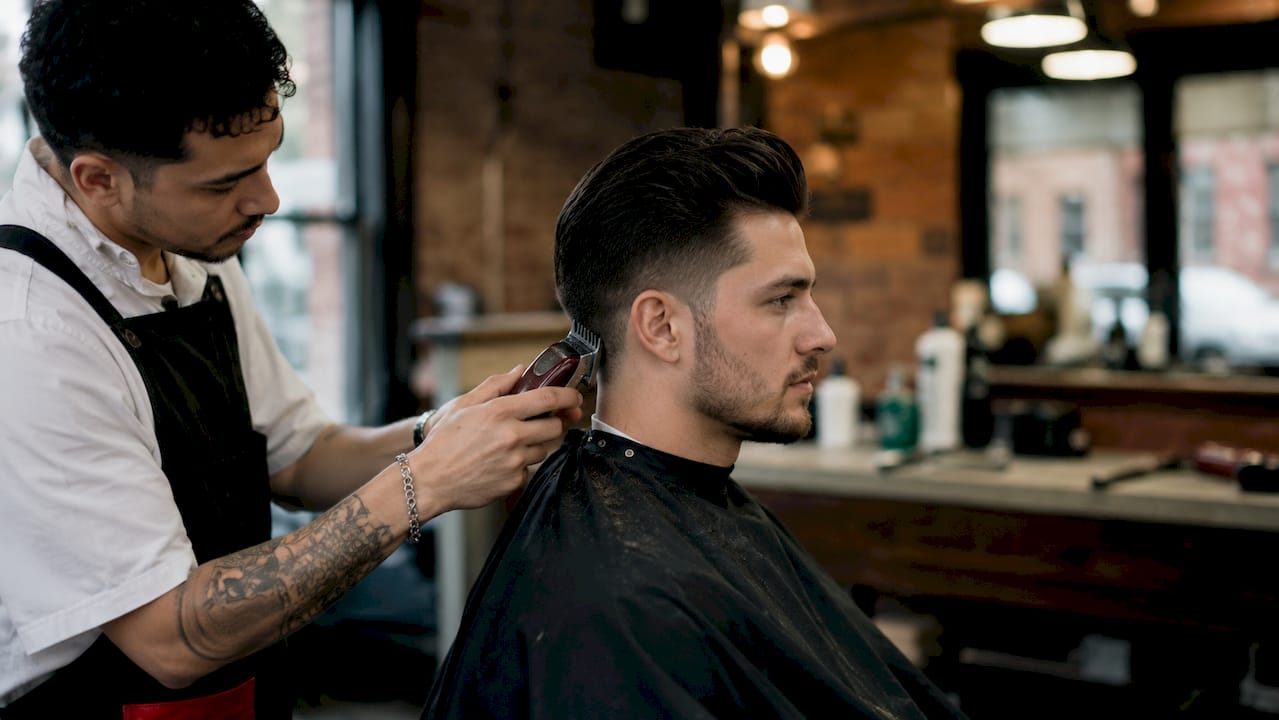
Boys’ haircuts fall into distinct categories, from classic crew cuts and buzz cuts to modern fades and textured crops, each suited to different ages, hair types, and lifestyles. Choosing the right style from the many types of kids haircuts boys can wear means balancing what looks sharp with what actually works on a Tuesday morning before school. The best cuts in 2026 combine trend-forward looks with practical maintenance, and barbers like those at Manhattanbarbershopny are seeing parents ask smarter questions than ever. This guide covers 12 popular styles, how to match them to your son’s hair, and what to expect at every age.
1. What are the most popular types of kids haircuts for boys?
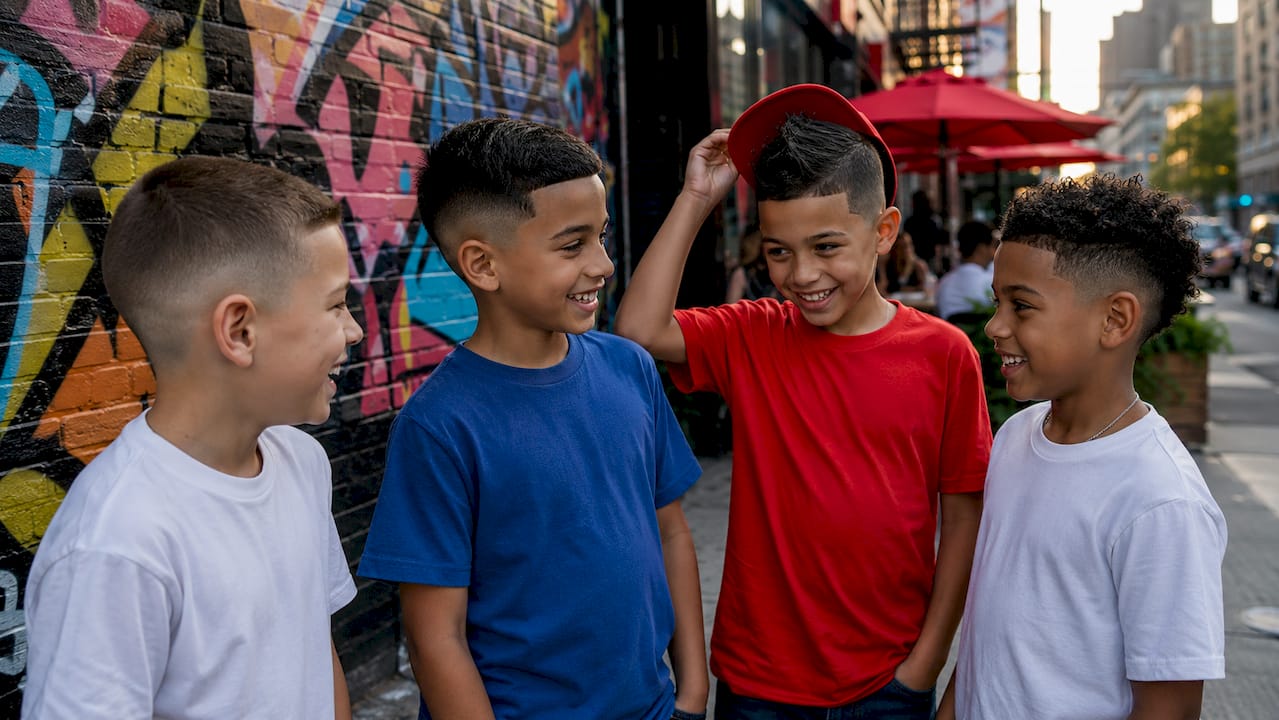
The 12 styles below cover the full range of best kids haircut styles boys are wearing right now. Each entry includes what the cut looks like, who it suits, and how much work it takes to maintain.
2. Crew cut
The crew cut is the gold standard for school-age boys. It uses a No. 2 or No. 3 clipper guard on the sides with the top left at 0.5–1 inch, producing a neat, school-compliant look that requires zero product. It grows out evenly over 4–6 weeks, which means fewer trips to the barber. This is the style Manhattanbarbershopny recommends most often to parents who want low drama and high results.
Best for: straight, wavy, or thick hair
Age range: 4 and up
Maintenance: very low
3. Buzz cut
The buzz cut ranks as the top wash-and-go option for boys ages 5–16. One guard length all over means no styling decisions in the morning. It suits nearly every face shape and works especially well in summer or for boys who play contact sports. The only downside is that it grows out less gracefully than a crew cut, so touch-ups come every 3–4 weeks.
Best for: all hair types
Age range: 3 and up
Maintenance: very low, frequent trims needed
4. Textured crop with low fade
A textured crop with low fade is the most requested modern style at Manhattanbarbershopny for school-age boys. The sides are clipped short and the top is left with choppy, textured layers that sit forward. It looks intentional without requiring a blow dryer. Boys with thick or straight hair get the most out of this cut because the texture shows clearly.
Best for: thick or straight hair
Age range: 6 and up
Maintenance: low to moderate; a small amount of matte paste helps
5. Faux hawk
The faux hawk keeps hair longer down the center of the head and shorter on the sides, creating a bold look without the commitment of a true mohawk. It works well for boys who want to express some personality without violating school dress codes. Wavy hair holds the shape naturally. Straight hair needs a small amount of product to keep the center standing.
Best for: wavy or straight hair
Age range: 5 and up
Maintenance: moderate
6. Hard part
The hard part is a shaved line cut into the scalp to define a side part. It gives any basic cut a sharp, polished edge. Barbers at Manhattanbarbershopny often add a hard part to a crew cut or side part to upgrade the look without changing the overall length. The line needs to be refreshed every 2–3 weeks to stay crisp.
Best for: straight or wavy hair
Age range: 8 and up
Maintenance: moderate; requires regular barber visits
7. Side part
The side part is a classic that works for school photos, family events, and everyday wear. The hair is combed to one side with a natural or defined part. It suits boys with fine or straight hair best because the hair lies flat and shows the part clearly. A small amount of light hold cream keeps it in place all day.
Best for: fine or straight hair
Age range: 5 and up
Maintenance: low
8. Ivy League cut
The Ivy League is the grown-up cousin of the crew cut. The back and sides are short, but the top is left long enough to brush to one side. It is ideal for ages 10–12 for school photos and daily wear because it reads as polished without looking stiff. Pre-teen boys who want something between a crew cut and a longer style find this cut hits the mark.
Best for: straight or wavy hair
Age range: 10 and up
Maintenance: low to moderate
9. French crop
The French crop features a short fringe cut straight across the forehead with short sides. It is one of the cleanest-looking cuts for boys with fine hair because the blunt fringe adds visual weight. The style requires almost no product and holds its shape well between cuts. It is a strong choice for boys who dislike having hair in their eyes.
Best for: fine or straight hair
Age range: 5 and up
Maintenance: low
10. Pompadour
The pompadour sweeps hair upward and back from the forehead, creating volume at the front. It is a bolder choice that works best for boys with thick hair who enjoy a bit of styling. A small amount of light hold pomade is needed to keep the shape. This style suits teens more than younger boys because it requires some morning effort.
Best for: thick hair
Age range: 10 and up
Maintenance: moderate to high
11. Modern mullet
The modern mullet is shorter on the sides and top with length left at the back, but the 2026 version is far more refined than its 1980s predecessor. Textured layers on top and a tapered back make it look deliberate rather than dated. Teens are driving this trend, and it works best on wavy or curly hair where the back length has natural movement.
Best for: wavy or curly hair
Age range: 12 and up
Maintenance: moderate
12. Mohawk
The mohawk strips the sides short and leaves a strip of longer hair down the center. It is a statement cut that some schools restrict, so check the dress code first. For boys with curly hair, the center strip has natural volume and shape. For straight hair, product is needed to keep the center upright.
Best for: curly or thick hair
Age range: 8 and up
Maintenance: moderate to high
13. How to choose based on hair type and texture
Matching a haircut to natural hair texture is the single most important factor parents overlook. A cut that looks great on a boy with thick, straight hair can fall flat on fine or curly hair within hours.
Hair type | Best style options | Styles to avoid |
Straight, fine | French crop, side part, Ivy League | Pompadour, mohawk |
Straight, thick | Crew cut, textured crop, faux hawk | Fine-hair crops |
Wavy | Faux hawk, modern mullet, side part | Hard blunt cuts |
Curly | Curly taper, mohawk, modern mullet | Buzz cut (can puff unevenly) |
Coarse or dense | Textured crop, crew cut, faux hawk | Flat side parts |
Wash-and-go styles are the right call for active boys who swim, play sports, or simply refuse to stand still in front of a mirror. Cuts that require daily heat styling or product are impractical for most kids under 12. Curly hair benefits from a curly taper that removes bulk without fighting the natural pattern. Thick hair responds well to layered cuts that reduce weight and keep the shape from puffing outward.
Pro Tip: Bring two or three reference photos to the barber and ask specifically whether the style works for your son’s hair texture. A good barber will tell you honestly if the photo shows a different hair type and suggest a modified version that achieves the same feel.
14. Age-appropriate haircut styles by age group
Age shapes what works, not just in terms of style but also in terms of what a child can sit through and what a parent can realistically maintain.
Age group | Recommended styles | Maintenance level |
Toddlers (1–4) | Short taper, simple crop, buzz cut | Very low |
School-age (5–9) | Crew cut, textured crop, French crop | Low |
Pre-teen (10–12) | Ivy League, side part, faux hawk | Low to moderate |
Teen (13+) | Pompadour, modern mullet, hard part | Moderate to high |
Toddlers do best with short tapered cuts or simple crops that stay out of their eyes and survive naps, car seats, and general chaos. The hairline taper keeps the neck and ears neat without requiring any styling. School-age boys benefit from cuts that grow out well over 4–6 weeks because getting them to the barber on a tight schedule is not always realistic. The crew cut excels here because it still looks intentional even at six weeks of growth.
Pre-teens are starting to form opinions about their own style. The Ivy League and faux hawk give them something that feels personal without being extreme. Teens often push for bolder choices like pompadours or modern mullets, and that is reasonable as long as the style fits their hair type and school rules. Manhattanbarbershopny barbers regularly help teens find a version of a trend that works for their actual hair rather than just the photo they brought in.
15. Fade styles explained: low, mid, high, and skin
Fades are one of the most requested features in boys’ haircuts, and also one of the most misunderstood. Parents often confuse fade and taper terms, which leads to results that are more aggressive than intended.
Here is what each type actually means:
Low taper fade: Hair graduates from short to shorter starting just above the ear. Clean and modern. The easiest to maintain and the most school-safe option.
Mid fade: The graduation starts at the midpoint of the side of the head. More contrast than a low fade. Works well for textured crops and faux hawks.
High fade: The graduation starts near the temples. Creates strong contrast. Requires touch-ups every 2–3 weeks to stay sharp.
Skin fade (bald fade): Hair tapers all the way down to the skin. The sharpest look but also the highest maintenance. Better suited to teens than younger boys.
Stylists recommend the low taper fade for younger boys because it is cleaner, modern, and far easier to maintain than a high or skin fade. A skin fade that grows out unevenly can look unkempt within two weeks, which is a problem for parents who cannot get to the barber that frequently.
Pro Tip: When booking a fade, tell the barber the exact fade level (low, mid, or high) and the clipper guard number you want on the sides. Saying “a little off the sides” gives the barber too much latitude. Specificity prevents surprises. Specifying fade level and guard number is the single most effective way to get a consistent result every visit.
For a deeper look at fade options and how to communicate them clearly, the clean fades guide at Manhattanbarbershopny breaks down every level with visual references.
Key takeaways
The best boys’ haircut matches natural hair texture, age group, and daily lifestyle to deliver a look that holds up without daily effort.
Point | Details |
Crew cut leads for school-age boys | It grows out well over 4–6 weeks and needs zero product to look neat. |
Match cut to hair texture | Curly hair needs a taper; thick hair needs layers; fine hair suits blunt crops. |
Low fade beats skin fade for kids | Low tapers are school-safe, modern, and require far less frequent touch-ups. |
Age shapes the right style | Toddlers need simple crops; teens can handle pompadours and modern mullets. |
Specificity at the barber matters | Naming the fade level and guard number prevents overly aggressive results. |
What I’ve learned after years of cutting kids’ hair
Parents walk in with a photo and a hope. That is completely understandable. But the photo shows someone else’s hair type, and that is where things go sideways. I have seen boys leave disappointed not because the barber did a bad job, but because the style in the photo required thick, wavy hair and the boy had fine, straight hair. The cut was technically correct. The result just did not match the expectation.
My honest advice is to treat the photo as a direction, not a blueprint. Bring it in, show it to the barber, and then ask: “Does my son’s hair actually do this?” A barber worth trusting will tell you the truth and offer a version that gets you 90% of the way there with the hair you actually have. That conversation takes two minutes and saves everyone frustration.
I also think parents underestimate how much a good haircut does for a kid’s confidence. Boys who feel good about how they look carry themselves differently. They stand taller. They are more willing to try things. That is not a small thing. It is worth taking the time to get the cut right rather than defaulting to the same buzz cut every six weeks because it is easy. Easy is fine. But easy and sharp is better.
For parents navigating this for the first time, reading about why specialized barbers matter for kids is a good place to start. The difference between a barber who works with children regularly and one who does not shows up immediately in how the appointment goes.
— Evgenii
Book your son’s next haircut at Manhattanbarbershopny
Manhattanbarbershopny specializes in kids’ haircuts for boys of all ages, from first-time toddler trims to teen fades and textured crops. Located on the Upper East Side in New York City, the shop offers both walk-in availability and easy online booking so you can plan around school schedules and after-school activities.
Every barber at Manhattanbarbershopny takes the time to assess your son’s hair type before picking up the clippers. Eugene Solod built the shop around the idea that a great haircut should look sharp, grow out well, and require minimal product to maintain. Walk-ins are always welcome, or you can book online to secure your preferred time.
FAQ
What is the easiest boys’ haircut to maintain?
The buzz cut and crew cut are the lowest-maintenance options for boys. The buzz cut is a single guard length all over, while the crew cut grows out evenly over 4–6 weeks with no product needed.
What haircut should a toddler boy get for his first cut?
A short tapered cut or simple crop works best for toddlers. These styles stay out of the eyes, survive active days, and require no styling at home.
How do I tell the barber what fade I want for my son?
Specify the fade level (low, mid, or high) and the clipper guard number you want on the sides. Saying “low fade with a No. 2 on the sides” gives the barber clear direction and prevents overly aggressive results.
Which boys’ haircut works best for curly hair?
A curly taper or a modern mullet with textured layers suits curly hair best. These styles work with the natural curl pattern rather than against it, reducing bulk without eliminating shape.
At what age can boys start getting fade haircuts?
Boys can get a low taper fade as young as 4–5 years old. Skin fades and high fades are better suited to pre-teens and teens because they require more frequent touch-ups to stay sharp.
Recommended
Comments