What Does Barbershop Specialization Mean for You

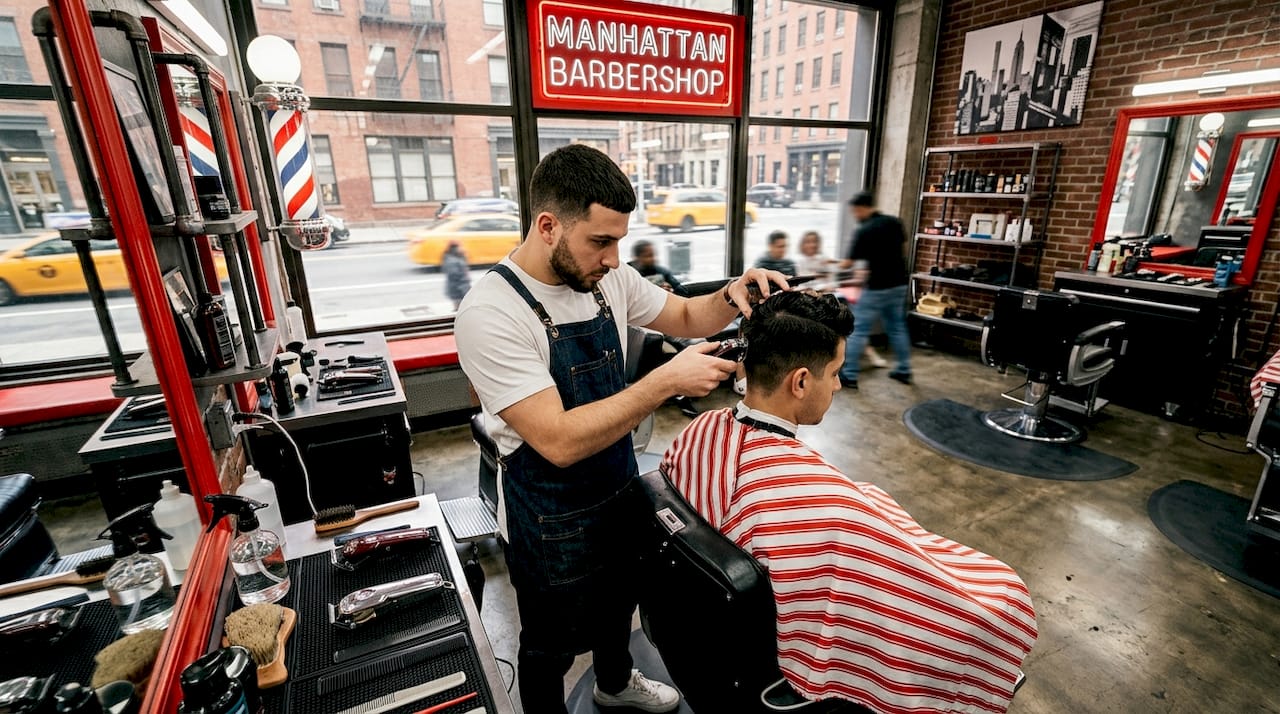
When most people walk into a barbershop, they assume every barber can do everything equally well. That assumption costs them bad haircuts. Understanding what does barbershop specialization mean gets you better results every single visit. In the grooming industry, specialization refers to a barber or shop intentionally focusing on one specific service or style rather than offering a broad, undifferentiated menu. Think of it as the difference between a general practitioner and a surgeon. Both are trained. Only one cuts with precision every time on the same problem.
Table of Contents
Key takeaways
Point | Details |
Specialization means focused mastery | A specialized barbershop concentrates on one or a few services to deliver consistently high-quality results. |
Specialists charge premium rates | Niche-focused barbers can charge 20 to 50% more than generalists, and clients willingly pay for reliable expertise. |
Booking alignment matters | Booking the wrong service at a specialized shop breaks the workflow and undermines the outcome. |
Generalists and specialists serve different needs | Generalist shops compete on price and variety; specialized shops compete on depth and repeatable quality. |
Knowing the specialty helps you choose smarter | Reviewing a shop’s service menu and social portfolio tells you exactly what they do best before you commit. |
What barbershop specialization means
The term “barbershop specialization” is a descriptive phrase most clients use when searching. In the industry itself, barbers and shop owners call this niche positioning or simply having a signature service. Whatever you call it, the core idea is the same: a barber or shop positions as an expert in one specific service or style rather than spreading effort across a long list of offerings.
Traditional barber training already leans toward specific skills. Barbers specialize in short haircuts, beard trimming, precision shaving, and clipper work, which separates them from general hairstylists by training and scope. Specialization within barbering takes that one step further by narrowing down to a signature niche.
Common specializations you will encounter include:
Fade and taper specialists who execute seamless gradient cuts with repeatable precision
Beard sculpting and grooming experts who shape, define, and maintain facial hair as a primary service
Straight-razor hot towel shave professionals who treat the traditional wet shave as a craft and ritual
Textured and natural hair specialists who focus on the technical demands of coils, curls, and tight patterns
Classic cuts specialists who concentrate on timeless styles like crew cuts, ivy leagues, and side parts
What makes a barbershop specialized is not just the service list. It is how the entire operation, from chair setup to tool selection to appointment length, is designed around executing that one service at the highest level possible.
Pro Tip: Before booking, scroll through a barbershop’s Instagram or portfolio. If 90% of the photos show the same style category, that tells you exactly what they are best at, and what you should book.
Why specialization benefits you and your barber
Here is where the picture gets genuinely interesting. Specialization is not just a marketing label. It changes the outcome of your cut in measurable ways.
“Specialists build repeatable systems around a single result. Generalists build broad competence. When you want a specific result done right every time, you want the specialist.”
For clients, the clearest benefit is consistency. A barber who does twenty fades a day has solved every problem that fade can throw at him. He knows how your hair density, growth pattern, and cowlick interact with that gradient. You get the same result every visit without a ten-minute consultation.
The financial side matters too. Niche-focused specialists charge 20 to 50% more than generalists, with typical rates running $55 to $75 per cut compared to $35 to $45 at generalist shops. Yet clients pay those rates willingly. Research shows clients pay up to a 16% price premium for a great specialized experience. That premium reflects something real: the confidence that comes from knowing exactly what you are getting.
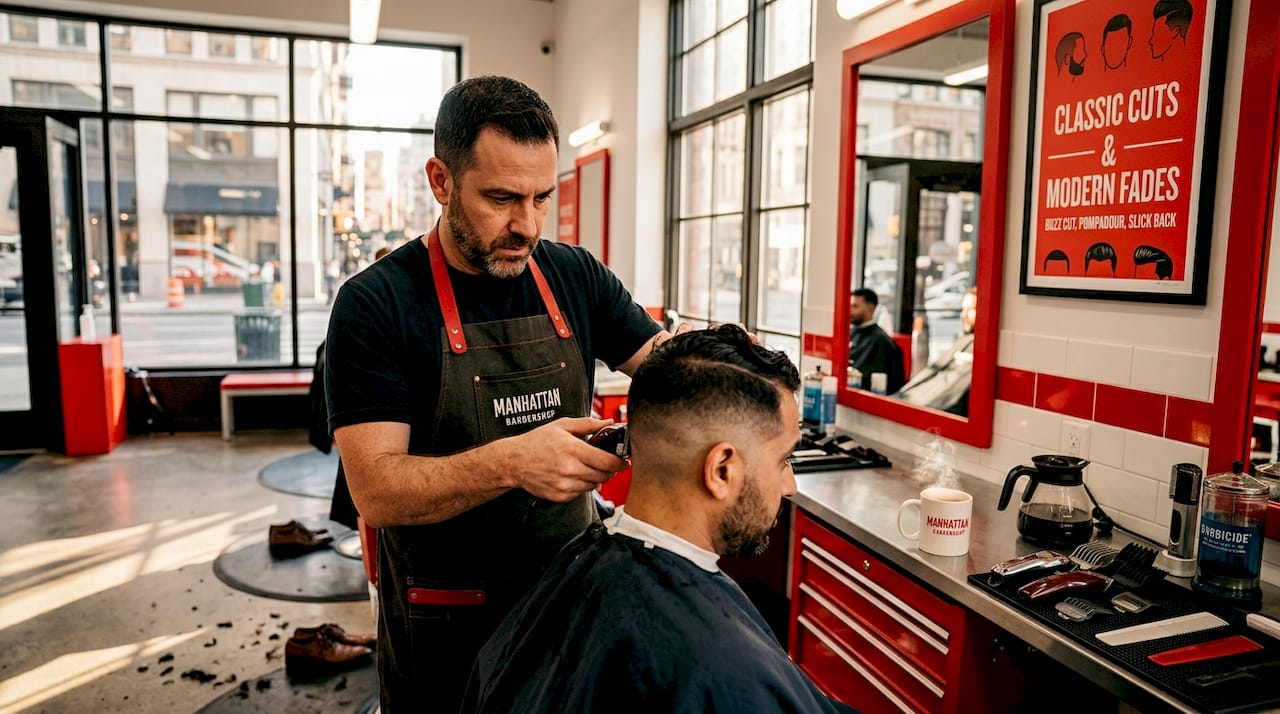
For barbers, the benefit is equally compelling. A barber known as “the fade guy” builds a recognizable brand identity that drives client acquisition through word of mouth and reduces decision fatigue during consultations. When a client sits down, the conversation is focused. The barber already knows the outcome. The appointment runs on time. Read more about what separates skilled barbers from generalists to understand how this translates into tangible craft differences.
The US barber market is highly fragmented, with no single company holding more than 5% market share. That fragmentation creates room for specialists to own a corner of the market without needing universal appeal. It is a sustainable model precisely because depth beats breadth when clients know what they want.
Specialized vs. generalist barbershops
Understanding the difference between these two models helps you set expectations before you ever sit in a chair.
Factor | Generalist barbershop | Specialized barbershop |
Service menu | Long, broad, varied | Narrow, focused, signature-driven |
Pricing | Competitive, lower average | Premium, reflects expertise |
Appointment time | Variable depending on service | Optimized for one workflow |
Tools and chair setup | General purpose | Configured for specialty service |
Client consultation | Broad style discussion | Focused on specific result |
Outcome consistency | Varies by barber and service | High and repeatable |
Best for | First-time or occasional clients | Clients with a clear style goal |
The differences go deeper than the table suggests. Specialist chair setup, tools, and timing are all calibrated around the focused service workflow. A straight-razor shave specialist, for example, keeps towel steamers running, specific blade angles ready, and pre-shave oils staged. That preparation does not happen at a generalist shop that also does kids’ cuts between appointments.
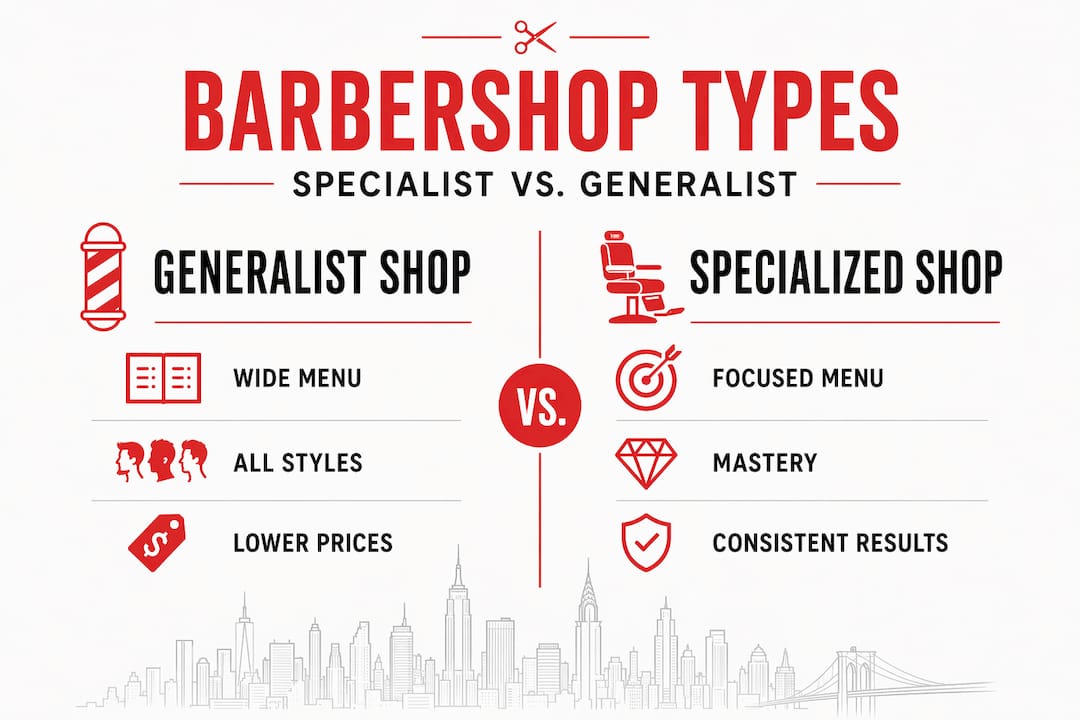
Generalist shops serve a real purpose. They work well for straightforward maintenance cuts, clients in a new city, or anyone without a strong style preference. But if you know exactly what style you want and you want it done consistently, a specialized shop is worth the premium. You can also explore how barbershops differ from hair salons to sharpen your understanding of where each type of shop fits in the grooming landscape.
Barbershop specialization examples in practice
Seeing real-world specialization examples makes the concept click faster than any definition. Here is how common specialization types actually shape the client experience.
Fade and taper specialist. This barber has refined clipper guard transitions and skin fade technique to a science. Clients come in knowing their preferred fade height. The appointment runs 25 to 35 minutes with minimal back-and-forth. The result looks identical to last time.
Beard sculpting expert. This specialist treats the beard as the primary canvas, not an afterthought. Services include shaping, line-up work, conditioning treatments, and growth coaching. Clients are often regulars who visit every two weeks strictly for beard maintenance.
Straight-razor hot towel shave professional. Everything in the appointment is intentional and sequential. Hot towels, pre-shave oil, lather, blade pass, post-shave balm. The barber has done this hundreds of times and can read skin sensitivity on sight.
Classic men’s cut specialist. Think ivy league, crew cut, and side part execution at a high level. These barbers often work with older grooming traditions and clients who want timeless results without trend-chasing.
Booking matters more than most clients realize. GQ frames it directly: booking a short cut when you need a full transformation is like booking a taxi expecting a private jet. The mismatch breaks the specialist’s workflow and leaves you with an incomplete result.
Pro Tip: When you book at a specialized shop, read the service description carefully. If you need a skin fade but the service says “taper trim,” call ahead and confirm the scope before your appointment.
How to find and choose the right specialized shop
Most clients pick a shop based on proximity or price. Specialists reward a slightly more deliberate selection process, and the payoff is significant.
Look for these signals when evaluating a shop:
Focused service menu. If a shop lists ten different service categories, it is a generalist. A specialized shop lists two or three core services and describes them in specific terms.
Consistent portfolio content. A fade specialist’s social media looks like a fade catalog. A beard grooming shop posts beard work almost exclusively. Variety in the portfolio signals generalist positioning.
Clear specialization language. Phrases like “fade specialist,” “beard sculpting,” or “straight-razor shave” in the shop’s bio or about page signal intentional positioning rather than accidental variety.
Repeat client mentions in reviews. Reviews that say “I drive 45 minutes for this haircut” or “I have been coming here for three years” signal that the shop delivers consistent specialty results worth repeating.
Appointment length options. A specialized shop offers appointments calibrated to the service, not a generic 30-minute slot for everything.
Once you find the right match, the relationship compounds over time. Specialization builds client trust and eliminates the guesswork that makes grooming frustrating. You stop hoping every visit goes well. You start expecting it.
My take on why specialization defines where barbering is headed
I have watched the grooming industry shift over the past several years, and one pattern stands out clearly. The barbers who struggle are the ones still trying to be everything to everyone. The ones building real businesses, loyal followings, and waiting lists are the specialists.
What surprises most people is that specialization does not shrink your client base. It focuses it. A barber known for exceptional fades does not lose clients who want beard work. He attracts clients who specifically want the best fade available and are willing to pay for it. The math works because market fragmentation means there are enough clients in every niche to fill a full schedule at premium rates.
The biggest communication gap I see is clients booking the wrong service because they do not understand the shop’s scope. A straight-razor shave specialist is not the right choice if you also want a full cut in the same appointment and only booked 30 minutes. Understanding specialist appointment matching is half the battle. Generalist shops will always exist. But in saturated markets, depth wins.
— Evgenii
Experience specialized barbershop services at Manhattanbarbershopny
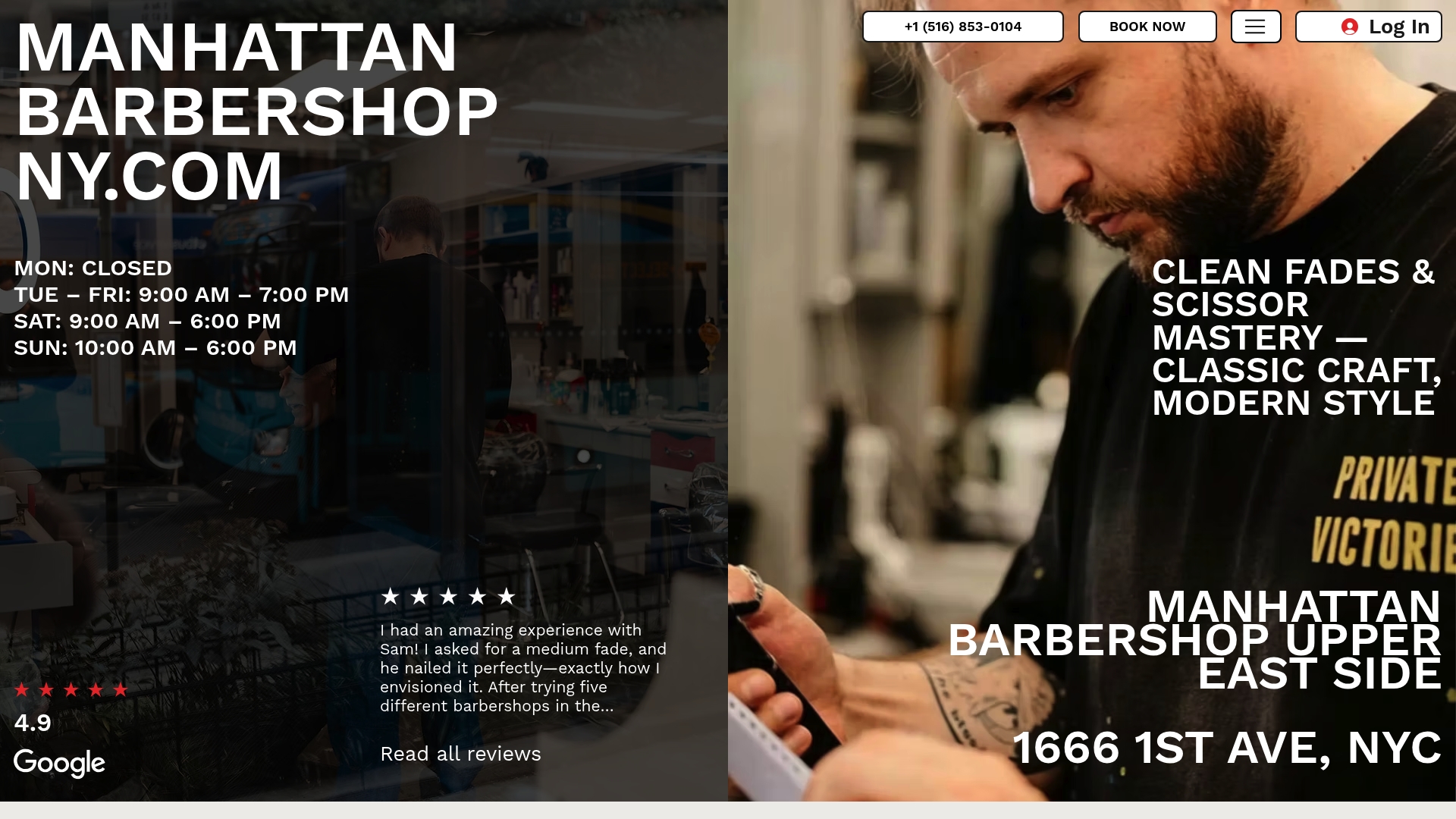
Manhattanbarbershopny is built around exactly the specialization model this article describes. Owner Eugene Solod has centered the shop’s craft on clean fades, classic cuts, and beard work executed with genuine precision, not the kind of broad menu that promises everything and delivers averages. Every client gets an appointment calibrated to their hair type, their style, and how they actually live with their hair between cuts.
If you are ready to experience what a focused, skilled barbershop feels like, you can explore the Iroquois cut service or the medium beard design as starting points for understanding the shop’s specialty depth. Book your appointment directly through the online booking page and arrive knowing exactly what you are getting.
FAQ
What does barbershop specialization mean in grooming?
Barbershop specialization means a barber or shop focuses on mastering one specific service or style rather than offering a broad, undifferentiated menu. Common specializations include fades, beard sculpting, and straight-razor shaves.
Why do specialized barbers charge more?
Niche-focused specialists charge 20 to 50% more than generalists because their focused practice produces consistent, high-quality results that clients can rely on and willingly pay a premium for.
How is a specialized barbershop different from a generalist one?
A generalist shop offers a wide service menu and competes on price and variety. A specialized shop narrows its offerings, calibrates tools and appointment timing around one service, and delivers more consistent outcomes.
How do I know if a barbershop is truly specialized?
Look for a focused service menu, consistent style-specific portfolio content, and specialization language in the shop’s bio or service descriptions. Repeat client reviews are another strong signal.
Does booking the wrong service at a specialized shop matter?
Yes. Booking a service that does not match the specialist’s scope breaks the workflow and can lead to incomplete or rushed results. Always read the service description and confirm the scope before your appointment.
Recommended
Comments