What Does Razor Work Mean in Barbering?

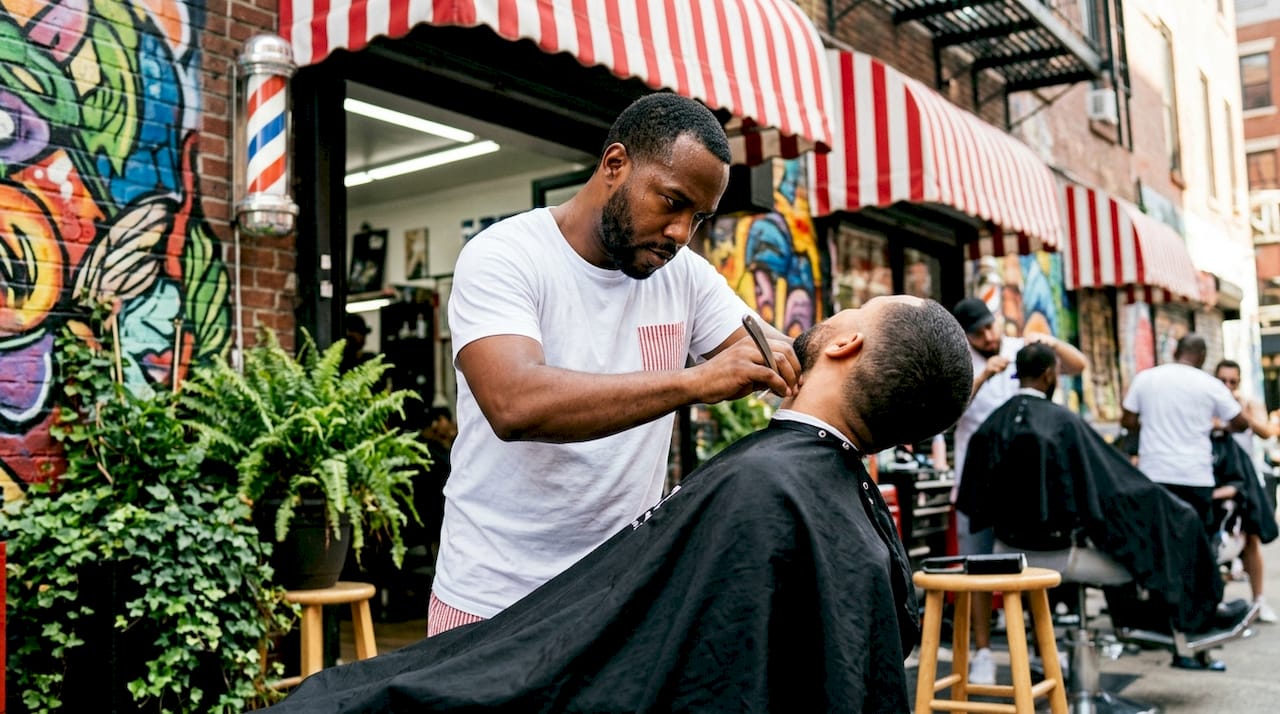
Razor work in barbering is the skilled use of a straight razor to create sharp, defined edges and soft, textured hair ends. The term covers two core techniques: razor finishing, which sharpens borders around hairlines and beards, and razor cutting, which slices hair at an angle to build movement and reduce bulk. Together, these two razor techniques answer what does razor work mean barbering in full. Understanding both helps you ask for exactly what you want at your next appointment.
What does razor work mean in barbering?
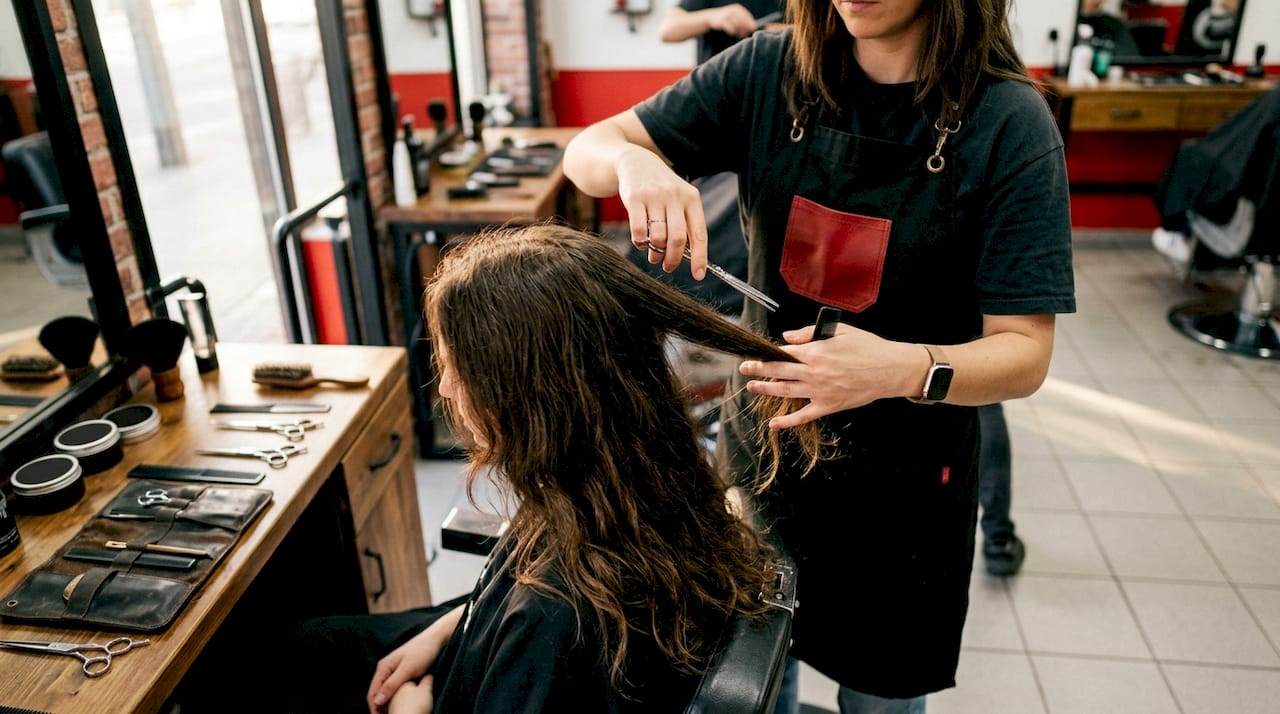
Razor work refers to two distinct services that a barber performs with a straight razor. The first is razor finishing, also called an edge-up or line-up. The second is razor cutting, a texturizing method that replaces or supplements scissors. Razor finishing creates sharp borders around the hairline and beard, while razor cutting slices hair ends at an angle for soft, wispy finishes rather than blunt edges. Most clients encounter razor finishing at every visit, even if they never hear the term.
Razor finishing is the step that makes a haircut look truly finished. Without it, even a well-executed fade can look unpolished at the temples and neckline. Razor cutting, by contrast, is a styling choice. A barber selects it when the goal is a shaggy, textured, or airy look that scissors alone cannot produce. Knowing the difference lets you have a more informed conversation with your barber.
What is razor finishing and how does a barber do it?
Razor finishing, the industry term for what clients often call an edge-up or line-up, is the process of drawing crisp, geometric borders along the hairline, temples, and beard using a straight razor. Razor finishing is often the distinguishing factor for a polished, professional haircut that clients find especially satisfying. The result is a sharp contrast between skin and hair that makes the entire cut look intentional and clean.
A professional barber follows a clear sequence to deliver this result safely:
Hot towel application. A warm towel is placed on the skin for one to two minutes. Hot towel prep opens pores and softens hair follicles, making the razor glide smoothly and reducing irritation risk.
Lather application. A thin layer of shaving cream or gel is applied along the border areas to protect the skin and improve blade contact.
Blade positioning. The barber holds the razor at approximately 30 degrees to the skin. Sustaining a 30-degree blade angle with almost no downward pressure is critical for effective, safe razor finishing.
Short, controlled strokes. The barber works in small sections, pulling the skin taut and using deliberate strokes to define the line.
Aftercare. A soothing balm or toner is applied to calm the skin and close pores.
Razor finishing accentuates facial framing by creating a sharp contrast between skin and hair. A defined neckline and beard border also strengthen the appearance of the jawline and prolong the fresh look of a haircut. The service typically takes 5–10 minutes as part of a full haircut appointment.
Pro Tip: Ask your barber to check both sides of your hairline in the mirror before the razor touches skin. Asymmetry is far easier to prevent than to correct.
How does razor cutting differ from scissor cutting?
Razor cutting removes interior hair weight and tapers the ends of each strand rather than cutting straight across. Scissors leave blunt hair ends; razor cutting tapers those ends to create softer, more textured hair with natural movement. The difference is visible the moment the hair dries.
Styles that benefit most from razor cutting
Shaggy and layered cuts. The razor builds separation between layers without adding bulk at the ends.
Pixie cuts. Razor-tapered ends give a pixie its signature feathered quality.
Textured crops. A barber uses the razor to remove weight from the interior, letting the top sit with natural lift.
Airy, effortless looks. Any style that needs to move freely rather than sit flat benefits from razor-tapered ends.
Razor cut vs. scissor cut: key differences
Feature | Razor cut | Scissor cut |
End result | Soft, tapered, wispy | Blunt, defined |
Hair movement | High, natural flow | Structured, controlled |
Best for | Textured, layered, airy styles | Classic, clean, geometric styles |
Skill demand | High, requires fluid motion | Moderate to high |
Hair condition needed | Wet hair required | Wet or dry |
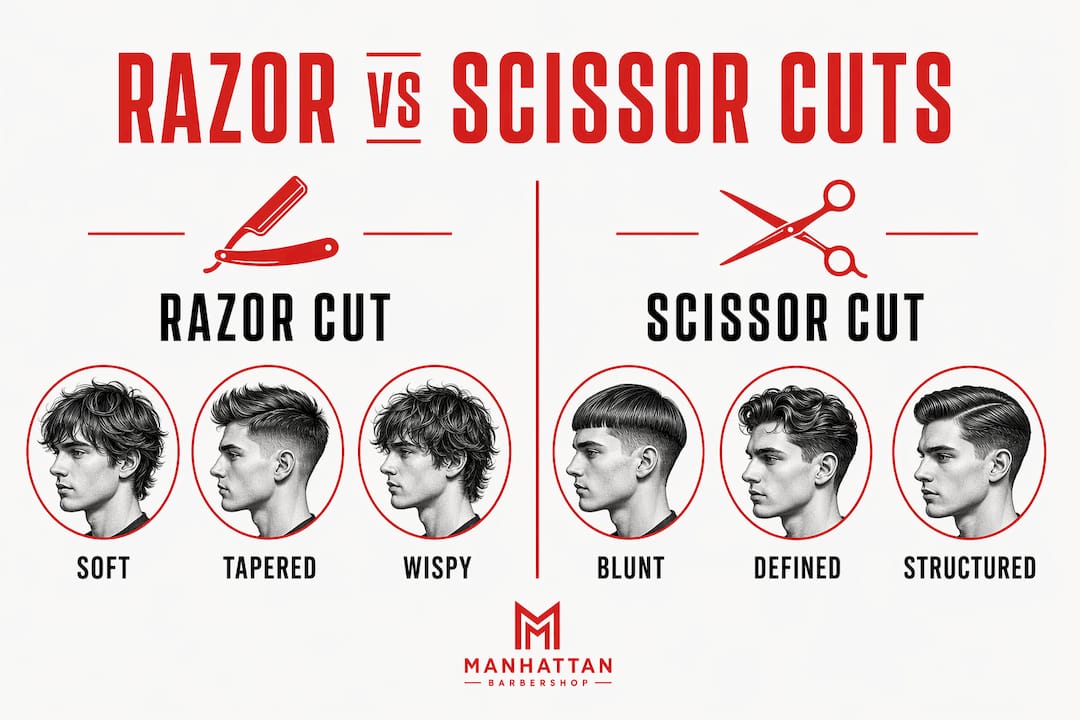
Razor cutting is popular for shaggy, pixie, or textured hairstyles because it produces an effortless look that scissors simply cannot replicate. The barber must keep the blade moving in a continuous, fluid stroke. Stopping mid-section creates a jagged line that is difficult to blend.
Pro Tip: Razor cutting must be done on wet hair. Dry hair resists the blade, causes split ends, and produces uneven texture. If your barber reaches for a razor on dry hair, speak up.
What should you expect during a razor neck clean-up or shave?
A razor neck clean-up is a focused shaving service that defines the neckline and removes stray hairs below the haircut’s border. It is shorter and more targeted than a full straight-razor shave, but it follows the same professional steps. A full straight-razor shave service takes about 30 minutes and costs around $65, while a neck clean-up is typically included in a standard haircut appointment.
Here is what a professional razor neck service looks like from start to finish:
Skin assessment. The barber checks for any irritation, ingrown hairs, or sensitive patches before starting.
Hot towel application. Professional preparation includes hot towels and shaving lather to soften hair and protect skin before razor use.
Lather and barrier cream. A generous layer of shaving lather is applied to the neckline area to create a protective cushion between the blade and skin.
Razor technique. The barber holds the blade at a 30-degree angle and uses short, controlled strokes. There is no scraping or heavy pressure involved.
Aftercare. A cooling balm or witch hazel toner is applied to soothe the skin and prevent redness.
The entire neck clean-up portion of a haircut takes roughly 5 minutes. The result is a neckline that looks sharp for days longer than a clipper-only finish. Clients who experience this service for the first time consistently notice how much cleaner the back of their neck looks in photos and on video calls.
Why does skilled razor work require more than a steady hand?
Razor work requires precision, an understanding of facial geometry, and consistent blade maintenance. A barber who customizes cuts individually studies the natural shape of each client’s hairline before placing the razor. No two hairlines are identical, and a line that looks straight on one person can look crooked on another.
Common mistakes that separate skilled barbers from inexperienced ones include:
Applying too much downward pressure. Applying deliberate downward pressure is a leading cause of razor bumps and redness. The blade should glide, not press.
Stopping mid-stroke during razor cutting. Expert barbers stress fluid, constant motion with the razor to avoid jagged, choppy hair ends.
Using a dull blade. A dull razor drags across the skin instead of cutting cleanly, causing irritation and uneven lines.
Incorrect stropping technique. Barbers strop the blade on leather to realign microscopic edges, not to sharpen the blade. Incorrect pressure when stropping dulls the edge instead of refining it.
Ignoring individual hairline shape. Forcing a straight geometric line onto a naturally rounded hairline creates an unnatural result that grows out poorly.
“The razor reveals the barber’s true skill level. Anyone can run clippers. Placing a straight razor on a client’s face and producing a clean, comfortable result takes real training, real patience, and real knowledge of the blade.”
Pro Tip: Before booking a razor service anywhere, ask to see the barber’s straight razor. A well-maintained blade is clean, stropped, and stored properly. A neglected blade is a red flag.
Key Takeaways
Razor work in barbering combines razor finishing for sharp edges and razor cutting for soft, textured ends, and both techniques require skilled blade control to deliver safe, lasting results.
Point | Details |
Two core techniques | Razor finishing sharpens edges; razor cutting creates soft, textured hair ends. |
Blade angle matters | A 30-degree angle with minimal pressure produces clean results and prevents irritation. |
Hot towel prep is non-negotiable | Softening hair and skin before razor use reduces irritation and improves blade glide. |
Razor cutting needs wet hair | Dry hair causes split ends and uneven texture when a razor is used. |
Blade maintenance is critical | Barbers strop, not sharpen, their razors to keep the edge aligned and safe for use. |
Why razor work changed how I see a great haircut
I used to judge a haircut by the fade. Clean fade, good barber. That was my entire framework. Then I started paying attention to what happened in the last five minutes of an appointment, the part where the barber picks up the straight razor and works the edges.
That is where the real difference shows up. Two barbers can execute the same fade, but the one who finishes with a confident, clean razor line produces a result that photographs better, lasts longer, and earns the compliment on the street. The razor finishing step is where a good haircut becomes a great one.
What I have also noticed is that clients who understand razor work ask better questions. They know to ask for a defined edge-up, they know to request razor-tapered ends on a textured crop, and they know to check whether their barber strops the blade before use. That knowledge protects them and raises the quality of the service they receive.
The barbers at Manhattanbarbershopny approach great barber skills this way. Razor work is not an add-on. It is built into the standard of every cut. If you have never experienced a proper razor finish, you are leaving quality on the table at every appointment.
— Evgenii
Razor work services at Manhattanbarbershopny
Manhattanbarbershopny brings expert razor finishing and razor cutting to every appointment on the Upper East Side of New York City. The barbers here treat razor work as a core skill, not an optional upgrade.

Every service includes proper hot towel preparation, correct blade technique, and aftercare to keep your skin comfortable and your edges sharp. Whether you want a crisp line-up, a textured razor cut, or a professional hot towel shave, the team delivers consistent, skilled results. Walk-ins are welcome, and online booking is available for clients who prefer to plan ahead. Book your appointment today and experience the difference that real razor work makes on your next cut.
FAQ
What does razor work mean in barbering?
Razor work in barbering refers to two techniques: razor finishing, which creates sharp borders along hairlines and beards, and razor cutting, which tapers hair ends for soft, textured results. Both use a straight razor and require skilled blade control.
Is razor finishing the same as an edge-up or line-up?
Yes. Razor finishing, edge-up, and line-up all describe the same service: using a straight razor to define crisp geometric borders around the hairline, temples, and beard.
Does razor cutting damage hair?
Razor cutting does not damage hair when performed correctly on wet hair with a sharp blade. Using a razor on dry hair causes split ends and uneven texture, so proper preparation is non-negotiable.
How long does a razor service take?
Razor finishing as part of a haircut takes roughly 5–10 minutes. A full straight-razor shave service takes approximately 30 minutes.
Why do barbers strop a razor instead of sharpening it?
Barbers strop the blade on a leather strop to realign the microscopic edge of the blade during use. Sharpening removes metal and is done far less frequently. Incorrect stropping pressure can dull the blade rather than refine it.
Recommended
Comments