What Is a Signature Barbershop Style, Explained

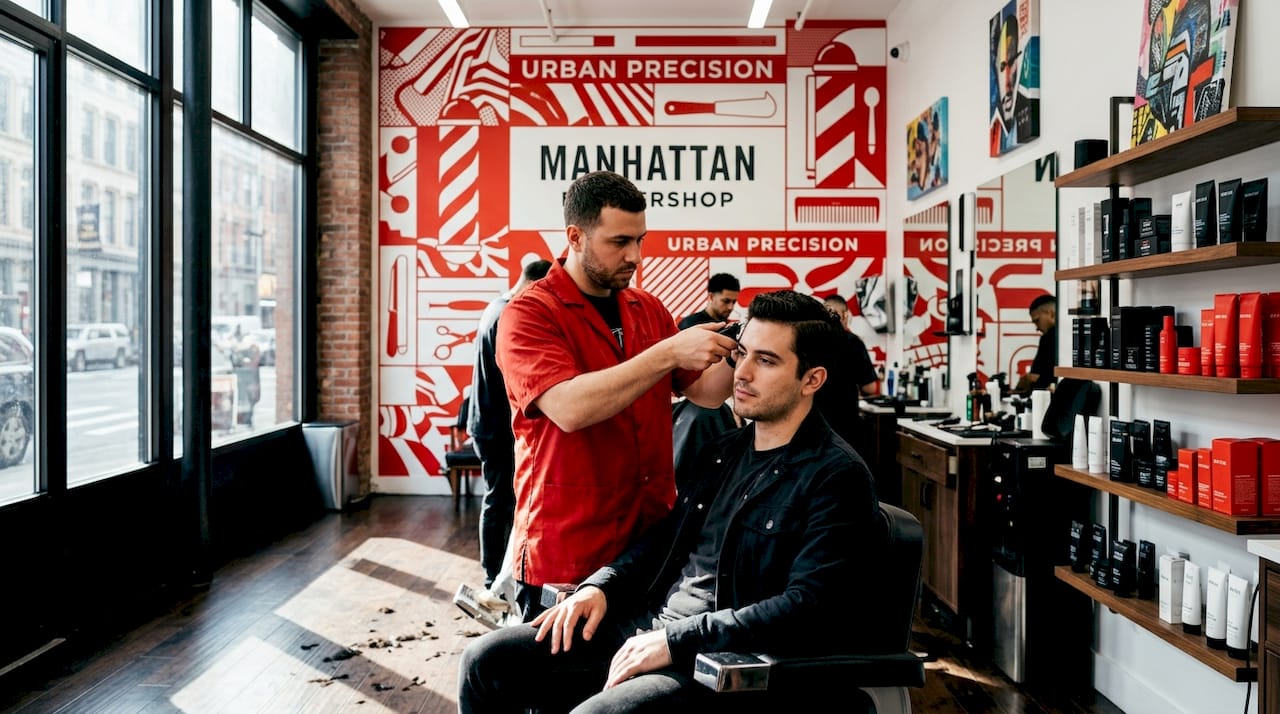
Most people assume a signature barbershop style is just a trendy haircut they saw on Instagram. It isn’t. What is a signature barbershop style, really? It’s a repeatable, recognizable system where technical cutting skill, aesthetic consistency, and genuine client consultation come together to create a look that holds its shape, fits the person’s life, and can be reproduced visit after visit. Understanding this distinction changes how you think about every trip to the barber’s chair.
Table of Contents
Key takeaways
Point | Details |
More than a haircut | A signature style combines technique, aesthetics, and consultation into one repeatable system. |
Styling finishes the look | Product choice and drying technique are what transform a cut into a polished signature result. |
Consultation is non-negotiable | Discussing hair texture, growth patterns, and daily styling time determines long-term success. |
Consistency builds loyalty | Clients return because the experience and result are predictable in the best possible way. |
Trends inspire, not define | Great barbers use popular looks as reference points, not blueprints. |
What is a signature barbershop style, really
The industry term for this concept is signature barbering, and it refers to a consistent visual language that combines technical execution, deliberate aesthetic choices, and a consultation process that builds trust before a single clipper touches your hair. It’s not a particular cut. It’s a craft philosophy.
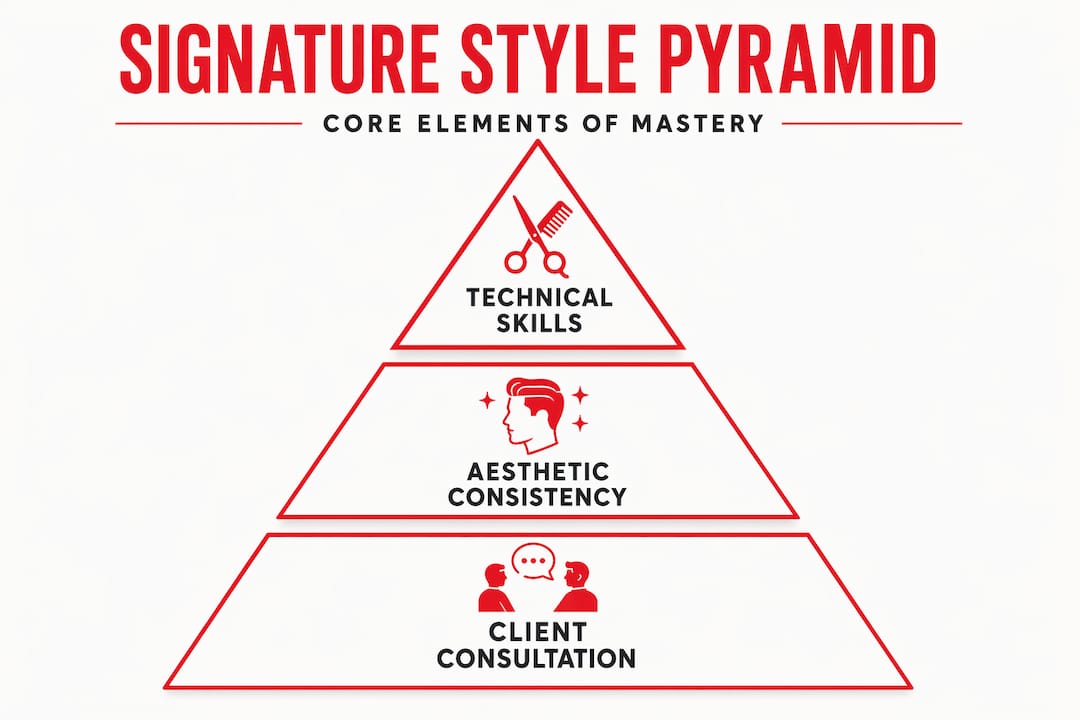
Three pillars hold the whole thing together.
Technical mastery is the foundation. This means precision fading, clean tapers, texturizing that removes bulk without destroying shape, and the ability to work lines and weight placement consistently across every client. A barber who has built a signature style can reproduce the same result on someone’s second visit even though that person’s hair has been growing for five weeks and behaving differently.
Aesthetic consistency is what makes the style recognizable. This covers the shapes a barber gravitates toward, their proportional instincts (where the weight line sits, how much length stays on top), and the visual tone of their finishes whether that’s sharp and graphic or soft and textured. Over time, a skilled barber’s work becomes identifiable the same way you might recognize a photographer’s work by framing alone.
Client consultation is what most people underestimate. The conversation before the cut is not small talk. It’s data collection. Understanding the elements of barbershop style as they apply to each individual client requires knowing their hair type, how fast it grows, and what they’re actually willing to do in front of the mirror every morning. This upfront investment is what separates a cut that looks great for three days from one that holds its form for weeks.
Fades and tapers executed with the same clipper guards every time create muscle memory and consistent results
Texturizing decisions depend on whether the client’s hair grows straight, wavy, or coarse
Aesthetic choices like neckline shape (squared vs. rounded vs. tapered) become a barber’s calling card
A strong consultation reduces the chance of misreading what the client actually wants
Pro Tip: Before you sit down, bring one or two reference photos that show the texture and finish you like, not just the length. Barbers can match a vibe far more accurately than they can guess from a verbal description alone.
Why styling and finishing define the final look
Here’s where a lot of haircuts fall apart. The cut itself might be technically precise, but if it isn’t styled before you walk out the door, the signature look never fully materializes. Styling brings the cut to life and adds the versatility clients need to recreate the look at home.
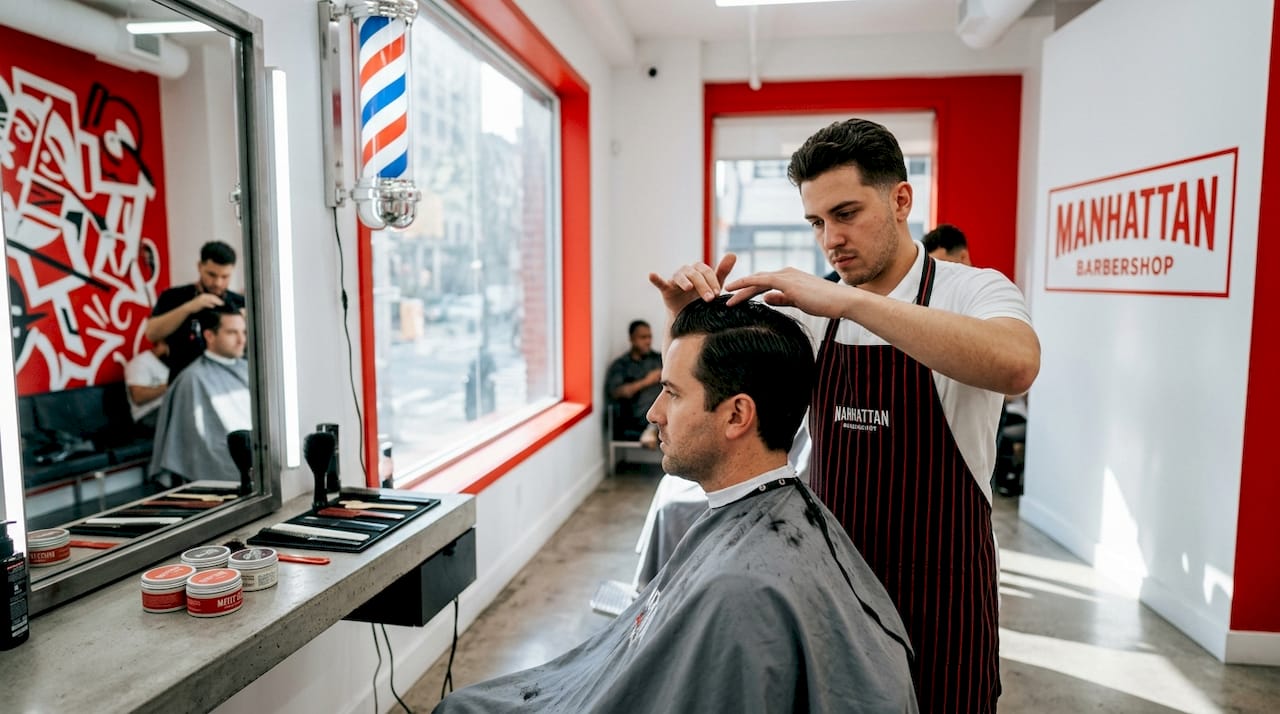
Think of the cut as the architecture and the styling as the interior design. You wouldn’t judge a building from an empty shell. The same logic applies here.
Product selection matters more than most clients realize. A matte clay behaves completely differently on thick, coarse hair versus fine hair. Proper drying technique and product application can make or break how a signature look reads in natural light. Elite barbers don’t reach for the same product for every client. They read the hair and choose accordingly.
The finishing stage also shapes how clients perceive quality. A haircut that leaves the chair dried, shaped, and set with the right product feels like a completed service. One that doesn’t? It feels unfinished, regardless of how clean the fade is underneath.
Here are the styling principles professional barbers rely on most:
Blow-drying in the direction of the desired shape before applying any product sets the foundation
Apply product to slightly damp hair for even distribution, especially with pomades and creams
Use less product than you think you need. You can always add more
Finish with a fine-tooth comb or a soft brush depending on the desired texture level
Hot towel treatments and beard finishing touches, as noted by Modern Barber, reinforce a barber’s full service signature beyond just the haircut itself
Pro Tip: Ask your barber what product they used and how they applied it before you leave the shop. Knowing the technique is just as important as knowing the product name.
The consultation process and lifestyle alignment
Great barbers treat the consultation like a form of design thinking. Before any scissors come out, they’re building a picture of who this person is and what their hair actually does when no one is watching. Learning how to describe fade style to your barber before your appointment gives you a head start on this process.
A thorough consultation covers these steps in order:
Review reference photos together. Images cut through vague language. A client saying “short on the sides” means something different to every barber. A photo makes it concrete.
Analyze hair texture and natural growth patterns. A cowlick at the crown changes everything about what shapes are achievable. Coarse, dense hair needs different weight removal than fine hair.
Discuss haircut shape and proportions. Where will the weight line sit? How much volume stays on top? What does the neckline look like?
Talk about daily styling time. How much time clients want to spend styling is a critical question that determines whether the haircut works in the real world or only in the chair.
Plan for grow-out. A well-designed signature cut incorporates grow-out planning matched to natural hair behavior so the style doesn’t fall apart by week three.
This is why quality barbershop service always starts with conversation. The consultation is what builds the barber-client trust that keeps people coming back. Clients who feel understood don’t shop around.
How barbers develop their own signature over time
A barber’s personal signature style doesn’t arrive overnight. It develops through hundreds of repetitions, client feedback, and the gradual refinement of technique into something unmistakably their own. The process is iterative by design.
The table below shows what separates a barber in early development from one who has fully realized their signature:
Area | Developing barber | Established signature |
Technique consistency | Varies by haircut and client | Reproducible results across hair types |
Aesthetic direction | Follows client requests closely | Guides clients toward shapes that work best |
Product use | Trial and error | Deliberate selection matched to hair type |
Consultation depth | Basic questions | Full lifestyle and texture assessment |
Service rituals | Minimal finishing touches | Hot towel, beard detail, styled finish |
The best barbers treat their signature as a repeatable system involving precise tapering, intentional weight-line placement, and texture handling that produces consistent results regardless of where a client’s hair is in its growth cycle. That’s the technical definition of professional mastery.
Beyond the cutting itself, barbers embed their signature in the full service arc. Client communication, finishing rituals, beard detailing, and even the way a barber explains what they’re doing all contribute to a holistic service identity that clients recognize and return to. Understanding what distinguishes great barber skills clarifies exactly why this full-service approach separates average from elite.
Popular barbershop trends and what they reveal
Current popular barbershop trends don’t exist in a vacuum. Each one reflects the defining barbershop aesthetics that have always driven the craft: clean structure, intentional proportions, and cuts that translate from the shop to real life. Popular signature barbershop looks include ultra-fades with sharp lines, clean side parts, and textured layers that blend classic and modern sensibilities.
What’s worth knowing is how these trends function differently depending on the individual:
Ultra-low fades read as graphic and high-maintenance. They suit clients who visit the barber every two to three weeks and enjoy a sharp aesthetic
Textured crops work for men who want a modern, relaxed look that doesn’t require product every morning
The slick back remains one of the most requested classic styles because it translates across professional and casual settings with minimal effort
Side parts, when cut to suit the client’s natural part and hair density, are among the most timeless signature looks a barber can deliver
The key insight here is that trends should function as inspiration, not prescription. A skilled barber takes a trending look and adapts it to what actually works for the person in the chair. The result is always more personal and more sustainable than copying a style wholesale.
My take on what most people miss about signature style
I’ve watched a lot of people sit in the chair with a clear mental image of what they want and walk out disappointed. Not because the barber lacked skill. Because nobody had an honest conversation first.
In my experience, the biggest misconception about barbershop signature looks is that the haircut does all the work. It doesn’t. The signature lives in the system: the consultation, the cut, the styling, and the follow-through on maintenance. Any one of those missing and the whole thing loses its coherence.
What I’ve found is that clients who get the best results aren’t necessarily getting the most complex cuts. They’re getting cuts designed around their actual hair, their actual morning routine, and their actual lifestyle. Chasing the latest trend without accounting for those factors is a fast way to a haircut that looks great for one week and unruly for three.
Consistency is underrated in this industry. The barbers who build genuinely loyal followings aren’t always the ones posting dramatic transformations. They’re the ones whose clients look right every single time they walk out. That’s the real measure of a signature style.
— Evgenii
Experience a true signature cut at Manhattanbarbershopny
If this article made you realize your haircuts have been missing something, you’re not alone. A lot of people have never experienced a cut built around their specific texture, growth pattern, and daily routine.
At Manhattanbarbershopny, owner Eugene Solod and his team take exactly the approach described here. Every appointment starts with a real consultation. Every cut prioritizes natural movement and low-maintenance wear. Whether you’re looking for a bold Iroquois cut, a refined classic side part, or a precision fade that holds for weeks, the work here is built to last. Ready to experience the difference? Book your appointment and find out what a properly designed signature cut actually feels like.
FAQ
What is a signature barbershop style?
A signature barbershop style is a repeatable, recognizable approach combining precise cutting technique, deliberate aesthetic choices, and tailored client consultation to produce consistent, personalized results. It’s a craft system, not a single haircut.
What are the core elements of barbershop style?
The core elements include technical skills like fading and texturizing, aesthetic consistency in shapes and proportions, styling and product application, and a thorough consultation process that accounts for hair texture, lifestyle, and maintenance preferences.
How does a barber develop a signature style?
Barbers develop their signature through repeated technique refinement, client feedback, and consistent service rituals. Over time, their approach to tapering, weight placement, and finishing becomes recognizable and reproducible across different hair types.
Why does the consultation matter so much for a signature look?
A good consultation aligns the haircut with the client’s real life, including how much time they’ll spend styling daily and how their hair naturally grows out. Without it, a cut that looks great in the chair often falls apart within weeks.
How do popular barbershop trends fit into signature style?
Trends like ultra-fades and textured crops serve as inspiration, not a formula. A skilled barber adapts trending looks to suit each client’s natural hair behavior and lifestyle, making the result personal and sustainable rather than just fashionable.
Recommended
Comments