Why Local Barbershops Outperform Chains for Real Results

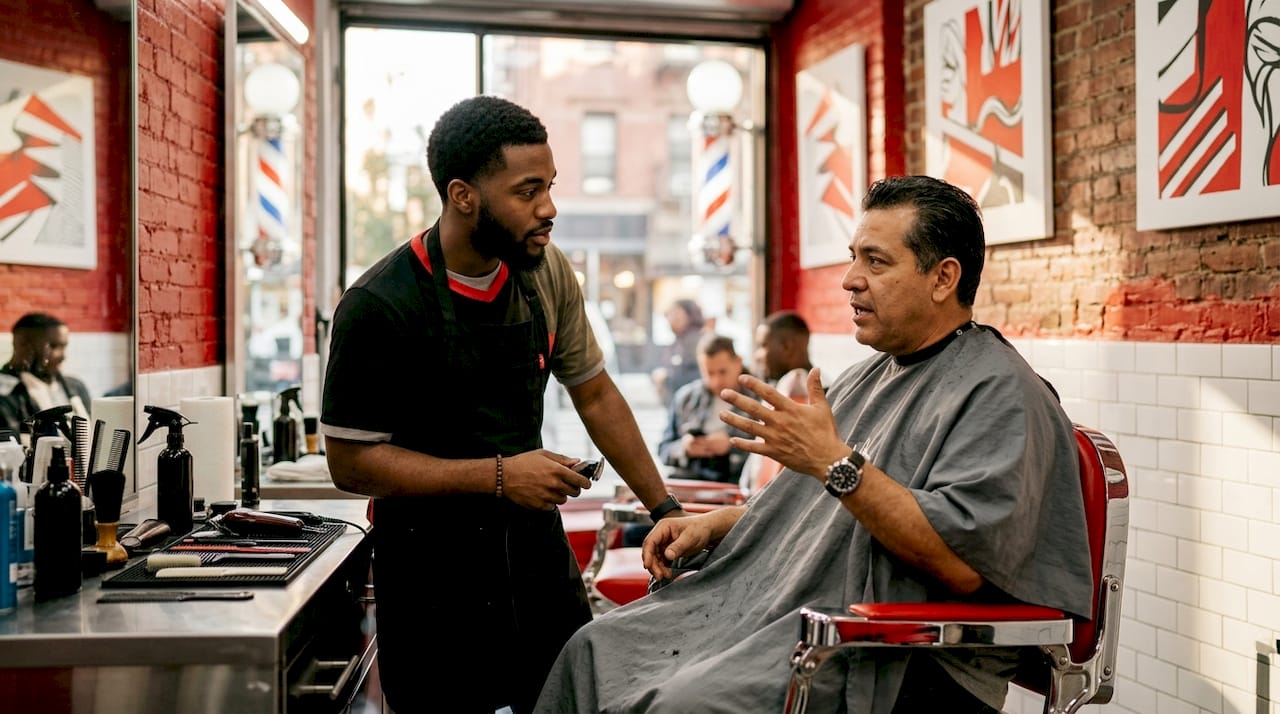
Local barbershops outperform chains by delivering skilled, relationship-driven grooming that no high-volume franchise can replicate. The US barbershop industry hit $7 billion in 2026 with nearly 10% annual growth, and independent shops are driving that number. While chains charge $18–$28 for a 15-minute cut, local shops charge $55–$95 for a 45–60 minute session built around your hair, your preferences, and your face. That price gap reflects a real difference in what you walk out with. If you are a man or a father who wants a haircut that holds its shape for weeks, the local barbershop is not just a better experience. It is a better investment.
Why local barbershops outperform chains on service quality
The most visible difference between local shops and chains is time. Chains prioritize speed, targeting 15-minute cuts to move as many clients through the door as possible. Local barbers invest 45–60 minutes per client, which is enough time to study your hair growth patterns, adjust the fade, and get the details right.
That time investment compounds over visits. Experienced local barbers learn your hair’s behavior, your preferred length, and your styling habits without you repeating yourself every time. You sit down, they get to work. That kind of accumulated knowledge is the foundation of a personalized barber experience that chains structurally cannot offer because their staff turnover is too high.
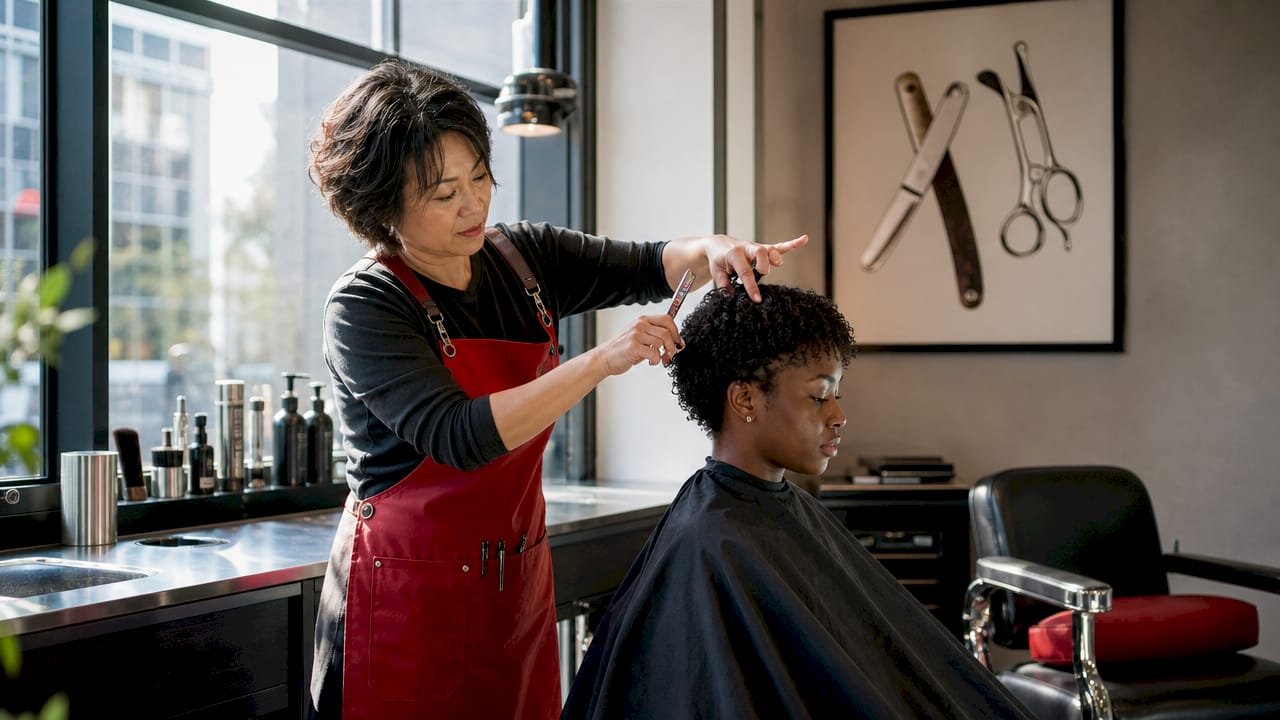
Individual barber branding also plays a major role. At a strong local shop, clients book a specific barber, not just an open chair. That loyalty creates a referral engine. When your barber does excellent work, you tell your friends, and they ask for the same person by name. Chains optimize for throughput. Local shops optimize for reputation.
Here is what separates a high-quality local shop from an average one:
Reviews mention specific barbers by name, not just the shop in general
The barber asks about your lifestyle and how you style your hair at home
The shop tracks your previous cuts, either in notes or from memory
The atmosphere feels relaxed, not rushed or transactional
The barber explains what they are doing and why, especially on a first visit
Pro Tip: When reading Google reviews for a local barbershop, search for reviews that name a specific barber. That level of detail signals a shop where clients form real relationships, not just repeat transactions.
How do local barbershops strengthen their communities?
Local barbershops contribute more money to the local economy than chains do. When you pay a local shop, that revenue cycles back through local rent, local suppliers, and local wages. Chain revenue flows to corporate headquarters. The economic difference is real and measurable at the neighborhood level.
The social role of local barbershops goes even deeper. Barbershops serve as trusted social spaces where men return for conversation as much as for haircuts. They are among the last analog environments where men sit together, talk openly, and build genuine community. That role matters for mental health in ways that a chain salon in a strip mall simply does not address.
“Barbershops are among the last analog male social spaces, vital for mental well-being and community connection. Men who feel isolated find belonging there in a way no digital platform or franchise can manufacture.”
Programs like B.A.R.B.E.R.S.H.O.P. at the University of North Carolina demonstrate this clearly. These programs deliver blood pressure monitoring and mental health support during standard 45–50 minute haircut sessions, reaching 50 or more men per intervention session. The barbershop chair becomes a point of contact for health services that many men would never seek out on their own.
The neighborhood barbershop culture that local shops preserve also protects the character of the communities they serve. They support local identity in ways that a national franchise, by design, cannot.
Local shops hire from the neighborhood and reinvest wages locally
They serve as informal community centers for fathers, sons, and longtime residents
They maintain cultural traditions specific to their client base
They create continuity across generations in a way chains never do
What business models help local barbershops stay ahead?
Local shops build their business on belonging. Clients buy access to an authentic place, not just a haircut. That emotional connection is the foundation of a recession-resistant business model that chains, built on volume and turnover, cannot replicate.
The operational differences between local shops and chains come down to three priorities:
Barber retention. Local shops invest in keeping skilled barbers long-term, which builds client loyalty and reduces the churn that kills chain locations. A barber who has been at the same shop for five years carries a client book that is nearly impossible to replace.
Skill development. Top local shops fund advanced certifications and ongoing education. A barber who keeps learning brings new techniques to returning clients, which keeps the experience fresh and the quality high.
Chair utilization through loyalty. Rather than filling chairs with one-time walk-ins, strong local shops fill chairs with clients who rebook consistently. That predictability makes the business stable even during economic downturns.
The digital side of local shop success is equally deliberate. Top local shops reach strong Google rankings in 6–10 months by accumulating 55 or more reviews that mention individual barbers by name. That specificity signals trust to both search algorithms and new clients reading reviews.
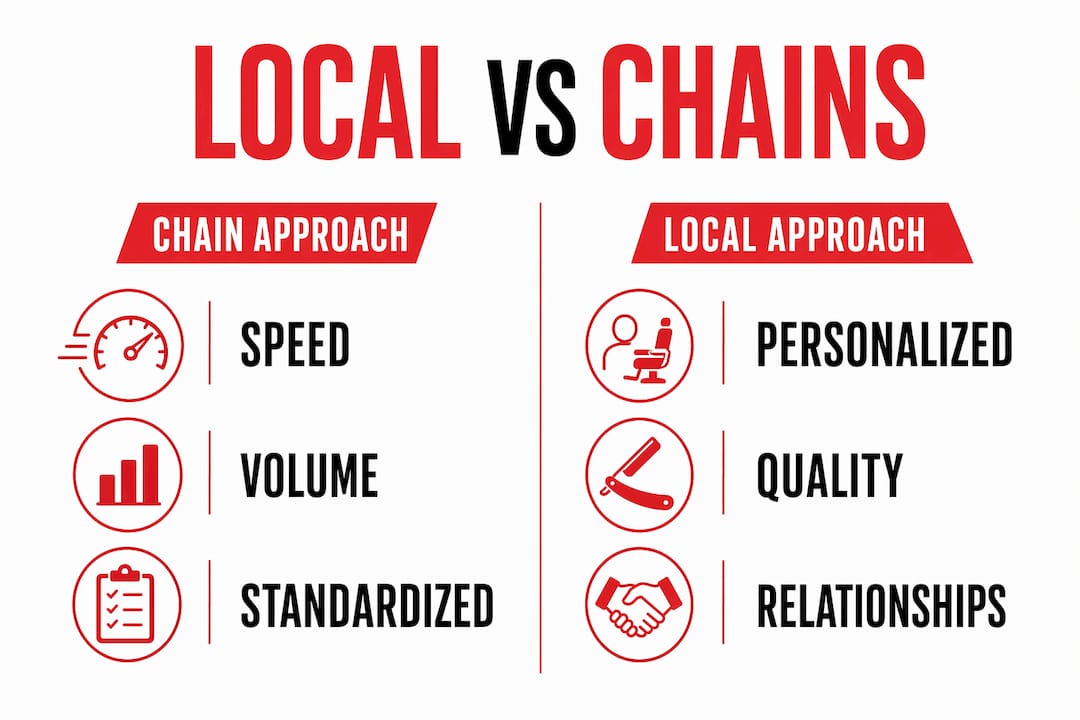
Strategy | Chain approach | Local shop approach |
Client focus | Volume and throughput | Long-term loyalty |
Barber model | High turnover, interchangeable | Retention and individual branding |
Revenue model | Franchise fees and speed | Repeat bookings and referrals |
Community role | Minimal | Central to neighborhood identity |
Pro Tip: Ask your local barbershop if they send a follow-up text after your cut. Shops that automate review requests mentioning specific barber names see booking velocity increase 3–5 times per chair. That tells you the shop is serious about its reputation.
How should you choose a local barbershop?
Choosing the right local barbershop takes more than picking the closest one. The shop you choose should feel like a place you want to return to, not just a service you tolerate. Think of it as finding a third place, somewhere between home and work where you feel comfortable and known.
Start with reviews, but read them carefully. Generic five-star reviews that say “great cut” tell you little. Look for reviews that name a specific barber, describe the conversation, or mention how long the client has been coming back. That kind of detail signals a shop with real relationships, not just satisfied transactions.
Here is what to look for when evaluating a local barbershop:
Reviews name specific barbers and describe the experience in detail
The shop has a clear specialty, whether that is fades, classic cuts, or textured hair
The barbers ask questions before picking up the clippers
The shop feels calm and unhurried, even when it is busy
Staff have been there for years, not months
Referrals from people you trust remain the most reliable way to find a quality local barber. A recommendation from a friend whose hair always looks sharp carries more weight than any online ad. For fathers bringing sons in for their first cuts, this matters even more. A shop that handles kids with patience and skill is a shop worth keeping.
Premium products and ongoing barber education are also signals worth noticing. A barber who invests in learning new techniques and uses quality products is a barber who takes the craft seriously. That commitment shows up in the finished cut and in how long it holds its shape between visits.
Key Takeaways
Local barbershops outperform chains by building lasting client relationships, investing in barber skill, and serving as genuine community anchors that no franchise model can replicate.
Point | Details |
Service time and quality | Local shops invest 45–60 minutes per client, building knowledge that improves every visit. |
Community and social value | Local barbershops function as health hubs and social spaces that chains structurally cannot replicate. |
Business model strength | Barber retention and loyalty-based bookings create recession-resistant local shops. |
Choosing the right shop | Look for named-barber reviews, long-tenured staff, and a relaxed, unhurried atmosphere. |
Economic impact | Money spent at local shops circulates back into the neighborhood through local wages and suppliers. |
The thing chains will never be able to sell you
I have sat in both kinds of chairs more times than I can count. The chain cut is fine. It is fast, it is cheap, and it gets the job done if your only goal is shorter hair. But I have never walked out of a chain feeling like anyone in that building knew who I was.
The local barbershop is different in a way that is hard to quantify but impossible to miss. The barber who has been cutting your hair for three years does not need you to explain what you want. He already knows. He knows your cowlick, your hairline, and the fact that you always ask to keep a little more length on top. That knowledge is not a small thing. It is the entire product.
What I find most underrated about local shops is their role for fathers. Bringing your son to a barber who treats him like a person, who talks to him directly and takes his preferences seriously, is a genuinely different experience from a chain where the goal is to get him in and out in 12 minutes. Those early visits shape how a kid thinks about grooming and self-presentation for years. The local barber who gets that right is doing something that matters.
The price difference between a local shop and a chain is real. But so is the difference in what you receive. A cut that holds its shape for four weeks, from a barber who knows your hair, in a room where you actually want to spend an hour. That is not a luxury. That is just a better use of your time and money.
— Evgenii
What a real local barbershop experience looks like at Manhattanbarbershopny
Manhattanbarbershopny on the Upper East Side of Manhattan is built around exactly the principles this article describes. Owner Eugene Solod and his team specialize in clean fades, classic cuts, and styles that hold their shape for weeks without heavy product use. Every client gets a barber who listens first and cuts second.
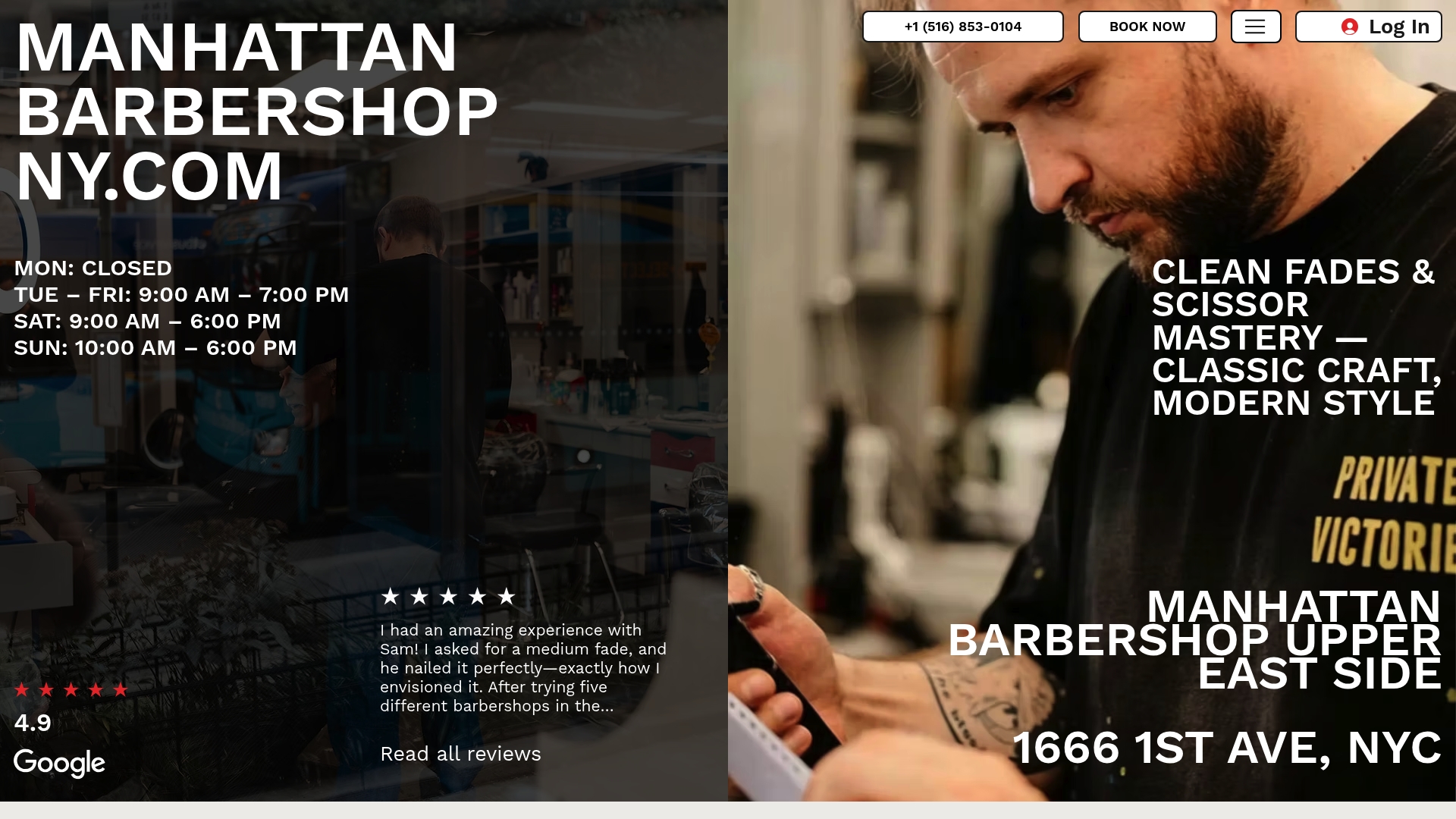
Walk-ins are welcome, and the shop’s free model haircut program gives new clients a low-risk way to experience the difference firsthand. For clients who prefer to plan ahead, online booking is available and takes less than two minutes. Fathers looking for a shop that handles kids haircuts with patience and skill will find exactly that here. This is what a local barbershop built on craft and community actually looks like.
FAQ
Why do local barbershops cost more than chains?
Local barbershops charge $55–$95 because they invest 45–60 minutes per client, building personalized knowledge and delivering cuts that hold their shape longer. Chains charge $18–$28 for 15-minute cuts optimized for volume, not quality.
How do local barbers remember what you want each visit?
Experienced local barbers build client knowledge over repeated visits, learning your hair growth patterns and preferences so you rarely need to re-explain your cut. That accumulated knowledge is one of the core advantages of a long-term barber relationship.
Are local barbershops better for kids than chain salons?
Local barbershops that specialize in family grooming take more time with kids, ask about preferences directly, and create a calmer environment than high-turnover chain locations. For fathers, finding a barber who treats their son with patience is worth the extra cost.
What role do local barbershops play in community health?
Programs like B.A.R.B.E.R.S.H.O.P. use the barbershop setting to deliver blood pressure monitoring and mental health support, reaching 50 or more men per session. Local shops serve as trusted spaces where men discuss health and well-being in ways they rarely do elsewhere.
How do I know if a local barbershop is worth the price?
Read reviews that name specific barbers and describe the experience in detail. A shop where clients return for years and recommend individual barbers by name is a shop where the quality and relationships are real.
Recommended
Comments