Manhattan Barbershop: Salt and Pepper Blending Built Around Your Gray

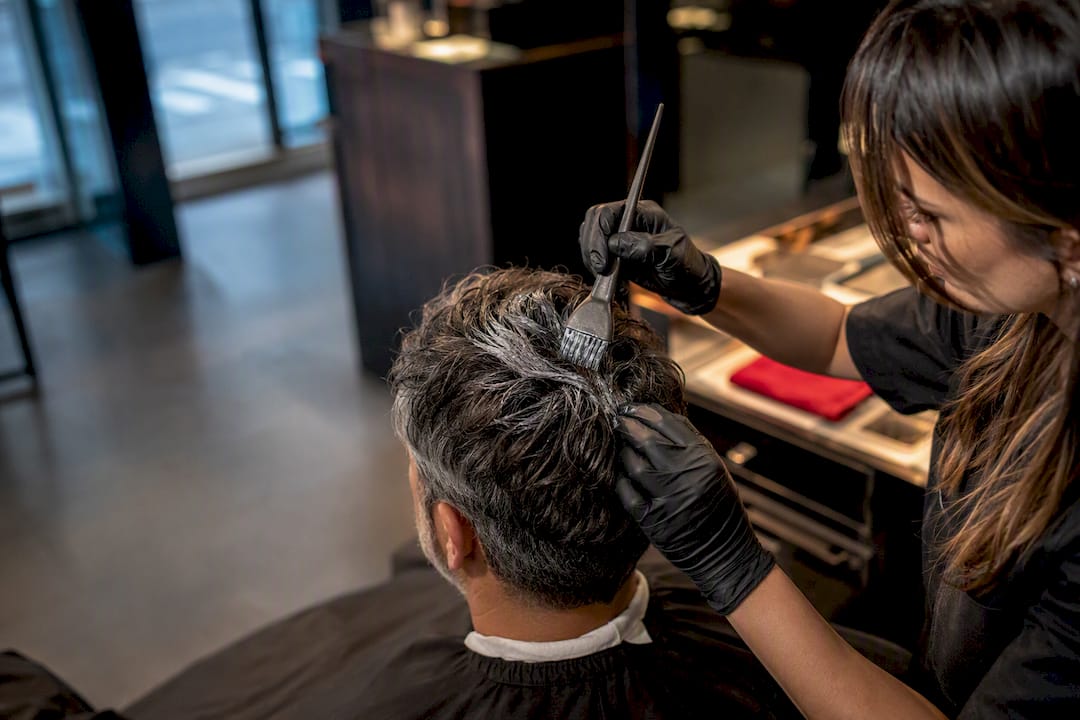
Salt-and-pepper blending uses highlights, lowlights, or hand-painted balayage to soften the line between gray and pigmented hair, so gray looks intentional rather than patchy. The fastest path to a natural result is a color service that adds dimension around your existing grays, followed by a salon toner. From there, purple shampoo at home and trims on a set schedule keep the blend looking sharp between visits.
TL;DR:
Proper placement of highlights, lowlights, or balayage around natural gray growth patterns ensures a more natural blend and minimizes the need for frequent adjustments.
Regular use of violet or blue shampoo and salon-toned glosses every 4 to 6 weeks helps maintain cool tones and prevent brassiness in the blended gray hair.
A textured, shorter cut with matte styling products enhances the contrast and natural appearance of salt-and-pepper hair, especially when the gray is unevenly distributed.
DIY lightening or high-contrast treatments often result in patchy, brassy, or unnatural-looking blends, making professional consultation and technique essential.
Ongoing maintenance, including scheduled trims and color touch-ups, is critical to keep the salt-and-pepper effect looking intentional and prevent visible regrowth lines.
Table of Contents
What Are the Best Salt-and-Pepper Blending Techniques?
Every technique solves the same problem differently: gray hair growing in unevenly, often faster at the temples and crown than everywhere else. A stylist picks the method based on how much gray you have, where it’s concentrated, and how much contrast your natural pigment still holds.
Highlights add lighter pieces throughout the hair, which works well when your gray is patchy or concentrated in a few areas. They break up solid dark sections and mimic the way gray naturally emerges in clumps rather than an even dusting.
Lowlights go the opposite direction, adding depth back into hair that’s gone gray but looks flat or washed out. Wella’s professional guide notes that lowlights and staining build dimension into already-gray hair without full coverage, which matters if your gray reads as one flat tone instead of the varied, almost speckled look real salt-and-pepper hair has.
Balayage, the hand-painted technique, is the most forgiving option for regrowth because the color is swept on freehand rather than following a rigid part line. It grows out softly, which is why it’s often the go-to for anyone who doesn’t want to sit in a chair every four weeks.
Grey blending, a men’s grooming term, uses subtle staining or lowlights to camouflage unwanted grays while keeping the overall salt-and-pepper character intact. InsideHook’s coverage of grey blending describes it as an alternative to full coverage, aimed at guys who want fewer grays in specific spots (usually the temples or beard) without losing the look entirely.
Quick visual cues to check in reference photos:
Varied piece sizes, not a uniform checkerboard pattern
Lighter pieces concentrated where gray naturally shows first (temples, part line, crown)
Soft, blurry root lines rather than a hard demarcation
Some warmth or dimension mixed into the gray, not a flat, single-tone silver
Should You Try Salt-and-Pepper Blending at Home?
A few maintenance steps are genuinely low risk to handle yourself. Everything involving lightener or a chemical lift belongs with a professional.
Start with purple or blue shampoo once or twice a week to control brassiness in lightened pieces or naturally graying strands. This is the safest, most reversible step available.
Add a clear or tinted gloss between salon visits if your colorist recommends one for your specific formula. Glosses fade evenly and don’t lift color, so the risk of a visible mistake is low.
Use a cosmetic root concealer or powder for spot coverage between appointments, especially along the part.
Book a consultation before attempting any lightening yourself. Uneven DIY lifts are the most common way a blend goes wrong, since box color reacts differently on already-gray strands versus pigmented ones nearby, producing patchy, brassy results that take a professional session to correct.
Bring 3 to 5 reference photos to your consultation, ideally close-ups of part lines and hair at rest in natural light, along with your current wash routine and how much upkeep you’re willing to do. A good consultation checklist also covers how you typically style your hair day to day, since that affects where a stylist places lighter pieces.
How Do You Maintain a Salt-and-Pepper Blend?
The blend itself is only half the job. What keeps it looking natural is the routine you run between salon visits.
Purple or blue shampoo, used once or twice weekly, keeps lightened pieces from turning yellow or brassy. Overuse can leave hair dull or slightly purple-tinted, so treat it as a targeted tool, not a daily wash. A toner or gloss refresh at the salon every 4 to 6 weeks maintains the cool, ashy tone that makes gray and light pieces sit together convincingly. According to L’Oréal Paris’s guide to salt-and-pepper maintenance, pairing salon toning with at-home purple shampoo is the standard combination for managing unwanted warmth.
Signs you’re due for a salon refresh, not just a wash-day fix:
Regrowth line has become visible and hard-edged rather than soft
Lightened pieces look yellow or orange under natural light
Hair feels dry or brittle at the ends, a sign a deep conditioning treatment is overdue
The overall color looks flat again, meaning the dimension has faded out
A deep conditioning mask every one to two weeks helps offset any dryness from lightening services. Haircut shape matters just as much as color: a well-defined cut keeps the lighter pieces visible as hair grows, instead of letting them disappear into length. Plan trims regularly to keep the shape doing its part.
Pro Tip: Check the label on your purple shampoo for a violet or blue pigment listed near the top of the ingredient list. If it’s buried near the bottom, it’s too diluted to do much against brassiness.
What Haircuts and Styles Flatter Salt-and-Pepper Hair?
The right cut does more heavy lifting than most people expect. Texture, length, and how the light hits your gray pieces all change how “intentional” the blend looks day to day.
Shorter cuts with defined texture (textured crops, fades) show off contrast between gray and pigmented pieces more clearly, since there’s less length for the color to blend into a single mass.
Medium lengths benefit from layering that lets lighter pieces catch light at different points, rather than sitting flat under longer hair.
Matte finishing products read as more natural on gray and salt-and-pepper hair than glossy pomades, which can make silver tones look artificially shiny or wet.
Facial hair should get the same treatment as the hair on top. A beard that’s several shades darker than a well-blended head of hair looks disconnected, so ask your barber about grey blending for the beard too if you want a cohesive look.
Bring the same reference photos you used for your color consultation to your haircut appointment. A stylist working from a photo of the finished color and cut together can plan the shape around where the lighter pieces sit, instead of cutting first and hoping the color settles in later. For broader cut ideas that pair well with lower upkeep, low-maintenance men’s styles are worth a look before your visit.
How Long Does Salt-and-Pepper Blending Take and Cost?
A full highlight, lowlight, or balayage session typically takes between one and a half to three hours, depending on how much hair you have and how many pieces the stylist places. Grey blending or targeted staining for men usually takes less time since it’s a more localized service.
Plan on a toner or gloss refresh every 4 to 6 weeks and a full re-blend every 3 to 4 months as new gray grows in and pieces need repositioning. Cost comes down to three things: stylist skill level, the number of pieces or sections placed, and whether you’re using demi-permanent toner versus a full lightening service.
Right after your first session, expect a noticeably softer transition between gray and pigmented hair, though it may still look slightly “in progress.” By your second or third follow-up, most clients see the blend settle into something that reads as naturally occurring rather than colored.
How Manhattan Barbershop Approaches Grey Blending
Manhattan Barbershop treats every gray blend as a two-part process: consultation first, service second. Before any color or lowlights go in, the shop assesses your hair type, density, and how much gray you’re working with, then builds a plan around your actual growth pattern rather than a generic formula. That consultation-first approach carries into the cut, too, with an emphasis on shape and minimal product so the finished look holds up without heavy styling.
The typical cadence runs consultation, then an initial blend, then scheduled maintenance visits spaced to match how fast your gray comes in. If you’re not sure where to start, using the shop’s consultation resources before booking helps your barber understand what you want more clearly.
How Do You Choose Hair Color Products for Salt-and-Pepper Blending?
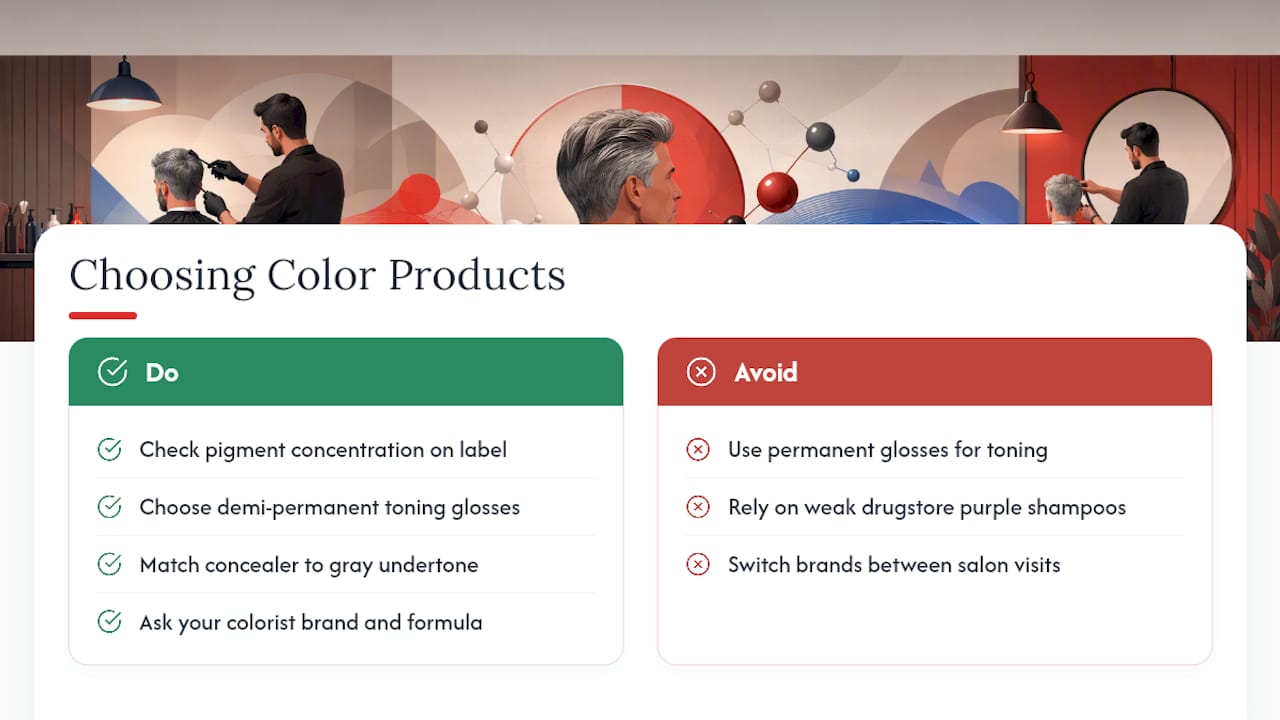
Product choice matters as much as technique, especially for anything you’re using at home between salon visits. Look for three things on the label: pigment concentration, whether it’s demi-permanent or permanent, and whether it’s formulated for gray or resistant hair.
Purple and blue shampoos vary widely in strength. A salon-grade formula with violet pigment near the top of the ingredient list will neutralize brass faster than a drugstore version with the pigment diluted far down the list. Toning glosses used at home should always be demi-permanent, since permanent formulas can shift your base color unevenly against gray, which is already resistant to picking up pigment the same way pigmented hair does.
For root concealers and touch-up powders, match the product to your gray’s undertone rather than your original hair color. Gray often reads cooler or warmer than people expect, and a mismatched concealer looks more obvious than the roots it’s meant to hide.
If you’re getting a professional blend, ask your colorist which brand and formula they used so you can maintain consistency at home. Salt-and-pepper color is built in layers, and switching products randomly between salon visits is one of the fastest ways to throw off the tone your stylist worked to create.
What Mistakes Ruin a Salt-and-Pepper Blend?
The most common mistake is going too uniform: placing highlights or lowlights in an even, predictable pattern instead of the varied, almost random way gray actually grows in. Salon professionals favor tailored, uneven placement specifically because it grows out looking natural, while a symmetrical grid of highlights reads as “colored” no matter how skilled the application.
A second mistake is over-lightening. Going too light against dark, pigmented sections creates high contrast that looks more like traditional highlights than gray blending. The goal is dimension, not a stark two-tone effect.
Skipping toner appointments is another one. Lightened pieces pull warm and brassy within a few weeks without upkeep, and once that happens, the blend starts looking dated instead of natural.
Finally, treating grey blending as a one-time fix rather than an ongoing process causes problems. Hair keeps graying, and a blend that looked seamless three months ago will have visible regrowth if you skip scheduled touch-ups. Set the maintenance cadence with your stylist at the first appointment, not after you’ve already noticed the line.
How Do You Protect Hair Health During Salt-and-Pepper Blending?
Gray hair behaves differently than pigmented hair. It’s often more resistant to color, which sometimes tempts colorists or DIYers to use stronger lifting products, and that raises the risk of dryness and breakage if it’s not managed carefully.
Deep conditioning treatments every one to two weeks help offset the dryness that comes with repeated lightening services. Look for masks with proteins or fatty acids on the label rather than ones that only add slip or shine. A bonding or repair treatment during the salon service itself, if your stylist offers one, reduces structural damage from lightener before it compounds over multiple sessions.
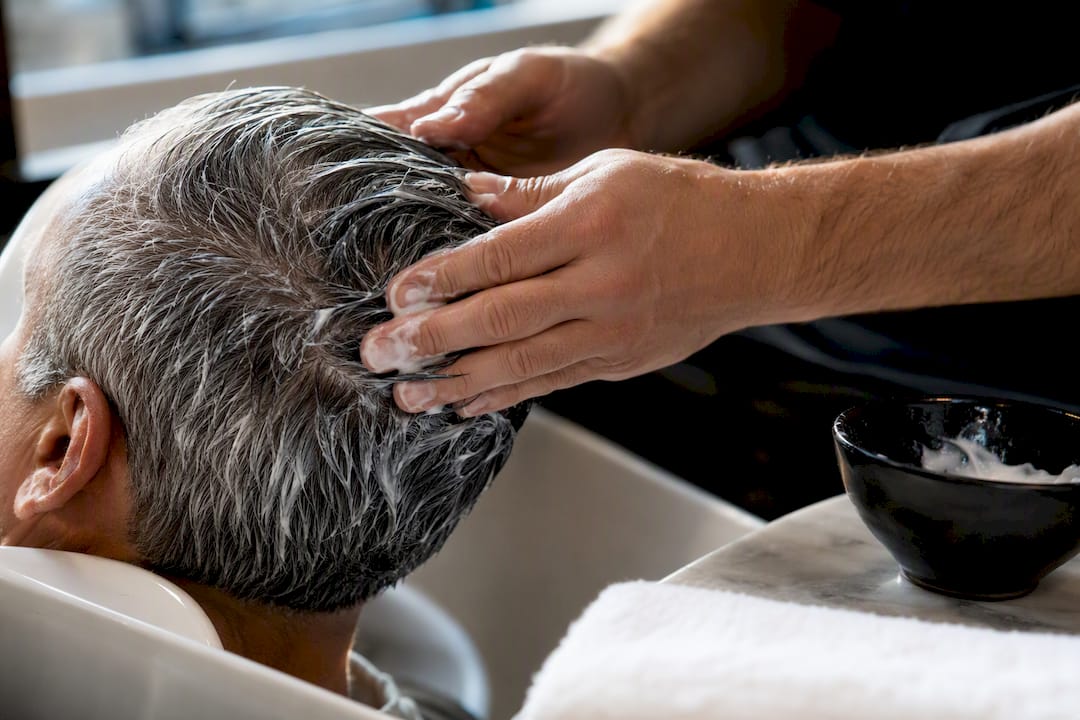
Watch for warning signs between appointments: unusual elasticity loss (hair stretching and not springing back), excessive shedding beyond your normal amount, or a rough, straw-like texture that wasn’t there before. Any of those point to over-processing, and the fix is spacing out chemical services, not adding more product on top.
Sun exposure fades toner faster and can dry out lightened pieces, so a leave-in product with UV protection is worth adding if you spend a lot of time outdoors. And if you’re maintaining color at home, always patch-test a new product before a full application, since gray hair can react differently to formulas than it did before you started going gray.
Why the “Perfect Formula” Advice Misses the Point
Most advice about salt-and-pepper blending treats it like a recipe: use this ratio of highlights to lowlights, apply this toner every six weeks, done. That’s backwards. Gray doesn’t grow in following a formula, so a blend built on a fixed ratio starts looking wrong the moment your actual gray pattern diverges from it, which happens fast.
What the research on technique actually supports is placement judgment over precision math. A stylist who looks at where your gray concentrates and builds around that will always outlast one following a generic 50/50 highlight pattern. The maintenance side gets oversold too. Purple shampoo and toner matter, but they’re damage control for a blend that wasn’t placed thoughtfully in the first place. No amount of at-home upkeep fixes a blend that was too uniform or too high-contrast from the start.
If you take one thing from this, prioritize the consultation over the product shopping. Get the placement right first. Everything else, the shampoo, the trim schedule, the touch-up cadence, is just protecting a good decision that was already made.
— Evgenii
Get a Natural Salt-and-Pepper Blend at Manhattan Barbershop
Manhattan Barbershop builds every gray blend around your actual hair, not a standard formula, which is the difference between a blend that looks intentional and one that looks like an old highlight job growing out. The shop’s consultation-first process means your barber assesses gray pattern, density, and texture before any color goes near your head, then keeps the shape doing the work so you’re not relying on heavy styling product to make it look finished.

Your first visit starts with that consultation: bring your reference photos, talk through how much upkeep you actually want, and your barber builds a plan from there. Multi-session packages are available if you’re planning a longer transition rather than a single appointment. Book online to get on the schedule, or check what to expect on your first visit if you want to walk in with a clearer sense of how the consultation runs.
Sources
FAQ
What Is the 50/50/50 Rule for Gray Hair?
There’s no single, agreed-upon definition of a “50/50/50 rule” in professional hair color guidance, and terminology varies by stylist. If you’ve heard the term, ask your colorist directly what ratio or timeline they mean before assuming it applies to your hair.
How Can I Transition My Hair to a Salt-and-Pepper Shade?
Start with a consultation and a color service that adds highlights, lowlights, or balayage around your existing gray, then follow up with toner every 4 to 6 weeks as new gray grows in. Most people see a natural-looking transition settle in by the second or third salon visit.
How Do I Keep Gray Hair From Making Me Look Older?
A well-defined haircut that suits your face shape does more than color alone, since shape controls how the light and dark pieces catch light day to day. Pair that with a matte styling product and, for men, a beard that matches the gray level of the hair on top.
Is Grey Blending a Good Idea?
Grey blending is a solid option if you want to soften or reduce visible grays without full coverage, since it uses subtle staining or lowlights rather than a stark color change. It suits people who want lower maintenance than a full-coverage dye job while still keeping some of their natural gray.
Should I Blend My Gray at Home or See a Professional?
Purple shampoo, glosses your stylist recommends, and root concealers are safe to manage at home. Anything involving lightener or a chemical lift should go to a professional, since uneven DIY application is the most common cause of a patchy or artificial-looking result.
Recommended
Comments