Save Visits: Men’s Necklines: Tapered vs Blocked, 1–2 vs 3–4 Week Upkeep

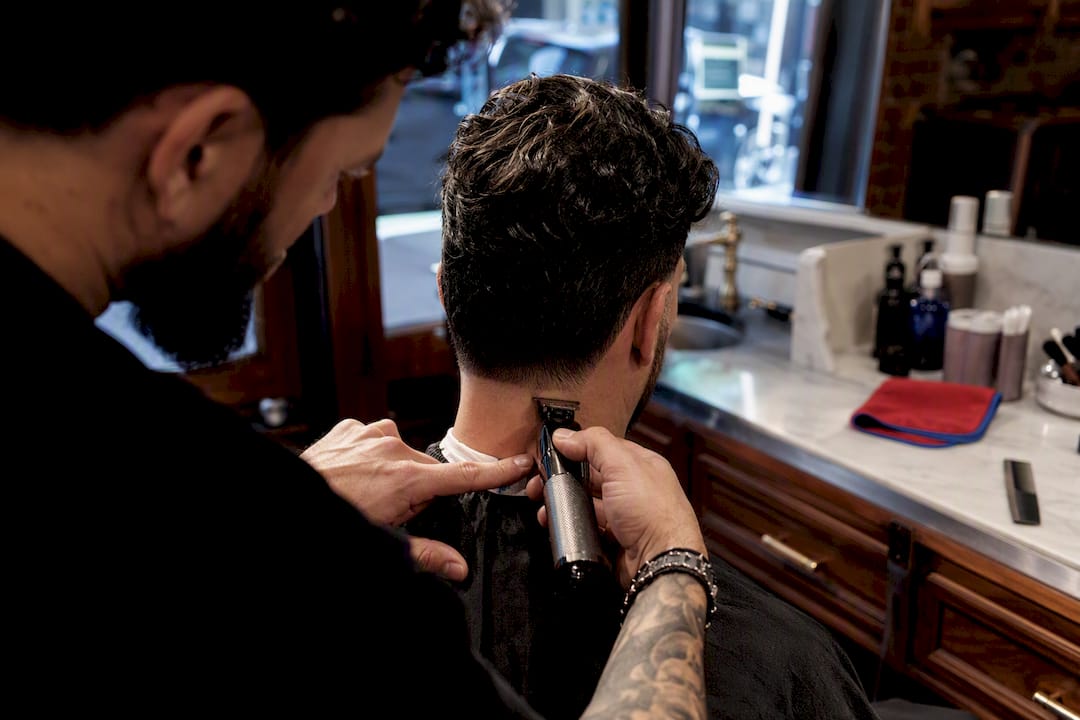
For most men, a tapered neckline beats a blocked one, mainly because it grows out cleaner and forgives cowlicks and uneven hair growth. Blocked necklines look sharper the day you leave the chair, but that hard line at the nape needs a touch-up every 1 to 2 weeks to stay crisp. If you want a polished, formal look and don’t mind frequent visits, blocked still earns its place as one of the top barbering styles appreciated for its sharp edge.
TL;DR:
Tapered necklines require fewer visits, typically every three to four weeks, because they blend into the natural hairline and grow out subtly.
Blocked necklines need maintenance every one to two weeks, as their sharp, straight line becomes obvious and messy with rapid growth.
Men with cowlicks or uneven growth patterns at the nape benefit more from tapered styles, which hide irregularities better than straight lines.
Longer hairstyles and older clients generally prefer tapered necklines for a softer, low-maintenance look; blocked styles suit short, formal cuts.
Proper execution and choosing a style matching your hair growth pattern and schedule are crucial for the neckline to remain polished longer.
Table of Contents
Tapered Neckline Vs Blocked: What “Tapered” Actually Means
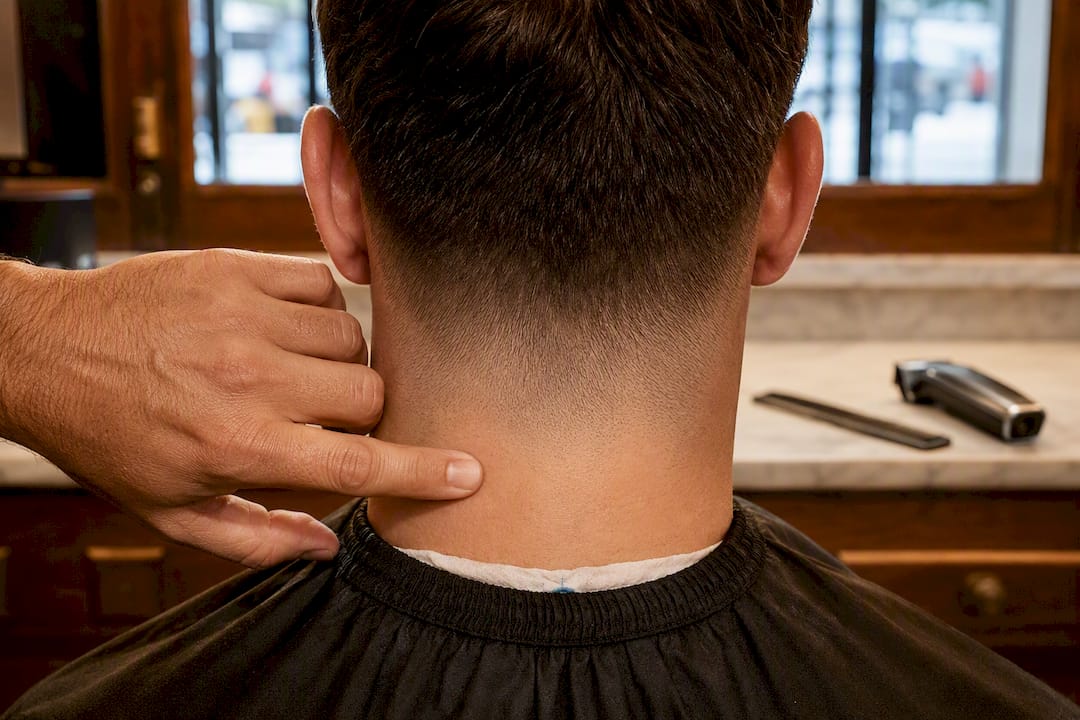
A tapered neckline follows your natural hairline and fades into the skin with no defined bottom edge. There’s no straight line for anyone to notice once it starts growing out, which is the whole reason it holds its shape longer than a blocked cut. Barbers build it by blending clippers and shears from the hairline upward, softening the transition so the hair thins out gradually instead of stopping abruptly.
Not all tapers look the same. The differences come down to how much skin shows at the bottom:
Low taper: Barely visible fade, closest to your natural growth pattern. Good for guys who want a subtle, low-maintenance finish.
Medium taper: The standard choice most barbers default to. Balances a clean look with easy upkeep.
High taper: Exposes more scalp near the nape, giving a sharper, more deliberate edge. Reads bolder and needs a bit more attention as it grows.
Ask for a “natural taper” or “nape taper” if you want the softest possible finish, and specify low, medium, or high if you already know your preference.
Tapered Neckline Vs Blocked: What “Blocked” Actually Means
A blocked, or squared, neckline is the opposite approach: a straight, hard line cut across the nape, giving the hairstyle a boxed, defined bottom edge. It’s the finish you’ll see on classic pompadours, tight fades, and any style built around structure over softness.
Barbers typically offer a few variations on the theme:
Full block to skin: The cleanest, sharpest version, cut flush to the skin at the nape.
Softened block: A straight line that’s slightly blended at the edges, less severe than a full block.
Boxed at length: A squared shape cut without going down to skin, common on longer styles.
Barbers reach for a blocked neckline when a client wants a formal, structured frame, especially with slicked-back or business-style cuts. The trade-off shows up fast: because the line is straight and hard, any new growth reads as a visible break within days, not weeks.
How Do Tapered and Blocked Necklines Compare Side by Side?
Here’s where the decision actually gets made, because looking sharp on day one and looking sharp on day twelve are two different problems.
Factor | Tapered | Blocked |
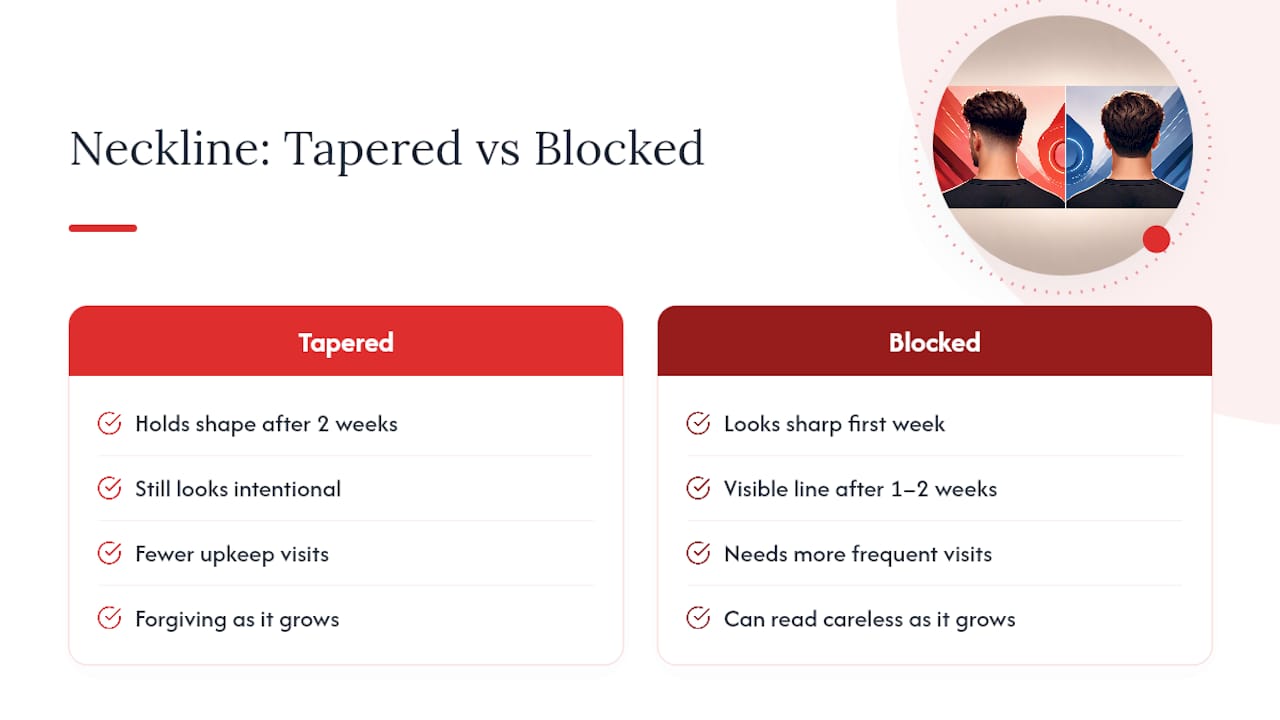
Touch-up frequency | Every 3 to 4 weeks | Every 1 to 2 weeks |
Grow-out visibility | Gradual, hard to notice | Sharp regrowth line shows fast |
Effect on neck width | Slims the neck visually | Can widen a slim neck |
Formality | Casual to semi-formal | Formal, structured |
Best for cowlicks/whorls | Excellent, hides irregular growth | Poor, exposes uneven patterns |
A blocked neckline needs roughly double the barbershop visits of a tapered one just to look intentional rather than overgrown. That’s the real cost of the sharper look.
Three things decide which side of the table wins for you:
Grow-out tolerance. Tapered fades so gradually you can stretch appointments without anyone noticing. Blocked starts looking messy within a week or two.
Hair growth pattern. Guys with cowlicks or whorls at the nape almost always do better with tapered, since there’s no straight reference line for the eye to catch on.
Age and hairstyle length. Longer styles and older clients tend to favor tapered for a softer, more natural look; blocked pairs better with short, structured cuts.
Which Neckline Fits Your Face, Neck, and Hair Growth?
Barbers don’t pick a neckline just because it looks trendy. They’re balancing your neck width, face shape, and hair growth pattern against how often you’ll actually show up for a touch-up.
Thicker or shorter necks: Tapered slims the visual line; a blocked cut can make the neck look wider and heavier, since a hard square line reads as added width.
Slimmer necks: Blocked can add structure without the neck looking overwhelmed, if you’re committed to the upkeep.
Round or oval faces: Tapered generally complements both, since it doesn’t add a hard geometric line to compete with your jaw.
Cowlicks or whorls at the nape: Go tapered. Trying to force a blocked line over an unpredictable growth pattern almost never holds up.
Busy schedule, infrequent visits: Tapered is the practical choice. A blocked neckline left too long looks unkempt fast, not just uneven.
What to Expect Between Cuts: Realistic Grow-Out Timelines
Knowing what your neckline looks like a week or a month out changes how you plan visits. Blocked necklines start showing a visible regrowth shadow within a short time. As it grows out, the hard line softens into a less defined edge and eventually reads as grown out rather than freshly cut.
Tapered necklines age differently. At one week, they look almost identical to day one. At two weeks, there’s a faint hint of length at the nape, but nothing dramatic. By week four, they’ve simply blended further into the surrounding hair rather than developing a hard line anyone notices.
Brush or comb the neckline flat before deciding if it needs attention.
If you trim between visits, use a guard and go light. Never freehand a hard line at home.
Book blocked touch-ups every 1 to 2 weeks; tapered every 3 to 4 weeks.
Pro Tip: If your barber softens that bottom centimeter into the skin instead of cutting a hard shelf, your neckline grows out cleaner no matter which style you chose.
How to Tell Your Barber Exactly What You Want
Vague requests get vague results. Walk in with specific language and you’ll walk out with the neckline you actually pictured.
Use precise terms. Say “natural taper” or “nape taper” for a soft fade, or “blocked to skin” if you want the sharp squared look. Add “soften the skin line” if you want a blocked finish without the harshest possible edge.
Ask direct questions. Try “Can you show me the back before you finish?” and “How long will this hold up between visits?” so you know what you’re committing to.
Confirm before you leave. Check the mirror, agree on the shortest point at the nape, and make sure the transition feels as soft or sharp as you wanted. This is also the moment to ask any lingering questions before you sit down.
How Manhattan Barbershop Approaches Neckline Choices
Every neckline decision starts with the same three questions: what does your neck shape need, how does your hair actually grow, and how often can you realistically get back in the chair? Manhattan Barbershop’s barber notes on tapered fades consistently favor natural-looking tapers for clients who want a low-product, long-holding shape over a look that needs constant upkeep.
That doesn’t mean blocked is off the table. When a client wants that formal, structured edge, the craft is in softening the skin transition so the grow-out stays manageable instead of turning into a hard shelf within days. It’s less about picking a trend and more about matching the finish to how the hair actually behaves.
Book a Tailored Neckline Finish at Manhattan Barbershop
Reading about tapers and blocked lines only gets you so far. What actually determines whether your neckline holds up is execution, matching the finish to your hair growth, neck shape, and how often you’ll realistically come back.
A good consultation is where that gets sorted out before the clippers even come out. Tell your barber whether you’re leaning tapered or blocked, mention any cowlicks at the nape, and let them walk you through what will hold up best given your schedule. Some shops specialize in clean fades and finishes that keep their shape without heavy product, built around scissor and clipper work rather than a one-size template. If you’re ready to see what a properly tailored neckline looks like on you, book your appointment online or check out the free model haircut program for a walk-in option on the Upper East Side.
A Barber’s Perspective on Choosing the Right Neckline
Most guys treat the neckline as an afterthought, something the barber just handles while they focus on the top and sides. That’s backwards. The neckline is often what determines whether a haircut still looks intentional two weeks later or starts reading as neglected. A great fade with a botched blocked line that’s grown out unevenly looks worse than a mediocre cut with a clean tapered finish.
The bigger misconception is that blocked automatically means sharper or more professional. It only reads that way for the first week. After that, a blocked neckline left too long looks more careless than a tapered one ever does, because there’s a visible line failing to hold its shape. Craft isn’t about which style you pick. It’s about whether the transition was cut correctly in the first place, and whether the barber was honest with you about what that choice would cost you in visits.
— Evgenii
Sources
This guide draws on trade-level barbering standards and men’s grooming publications. Liveabout’s breakdown of blocked, rounded, and tapered necklines covers the visual effects on neck width. Salon Exam’s neckline design guide explains grow-out mechanics used in barbering exams. GQ’s neckline guide offers practical selection advice tied to visit frequency, and Hairstylecamp’s comparison rounds out the versatility argument for tapered defaults.
FAQ
What Is the Difference Between a Blocked and a Tapered Neckline?
A blocked neckline has a straight, hard line cut across the nape, while a tapered neckline fades gradually into the natural hairline with no defined edge. Tapered grows out far more evenly than blocked.
Which Is Better, a Squared or Tapered Neckline?
Tapered is the better default for most men because it needs fewer touch-ups and hides regrowth, while a squared (blocked) neckline gives a sharper, more formal look but needs attention every 1 to 2 weeks.
Which Haircut Style Is Better, a Block or a Taper?
For low maintenance and forgiving grow-out, a taper wins for most hair types and lifestyles. A block suits men who want a formal, structured look and can commit to frequent barbershop visits.
What Does “Tapered Neckline” Mean?
A tapered neckline follows your natural hairline and blends into the skin without a hard bottom edge, available in low, medium, or high variations depending on how much scalp shows.
How Often Should I Get a Blocked Neckline Touched Up?
Plan on visiting every 1 to 2 weeks to keep a blocked neckline looking clean, compared to every 3 to 4 weeks for a tapered finish.
Recommended
Comments