Closer or Faster? Wet Shave vs Electric, a Barber's Take

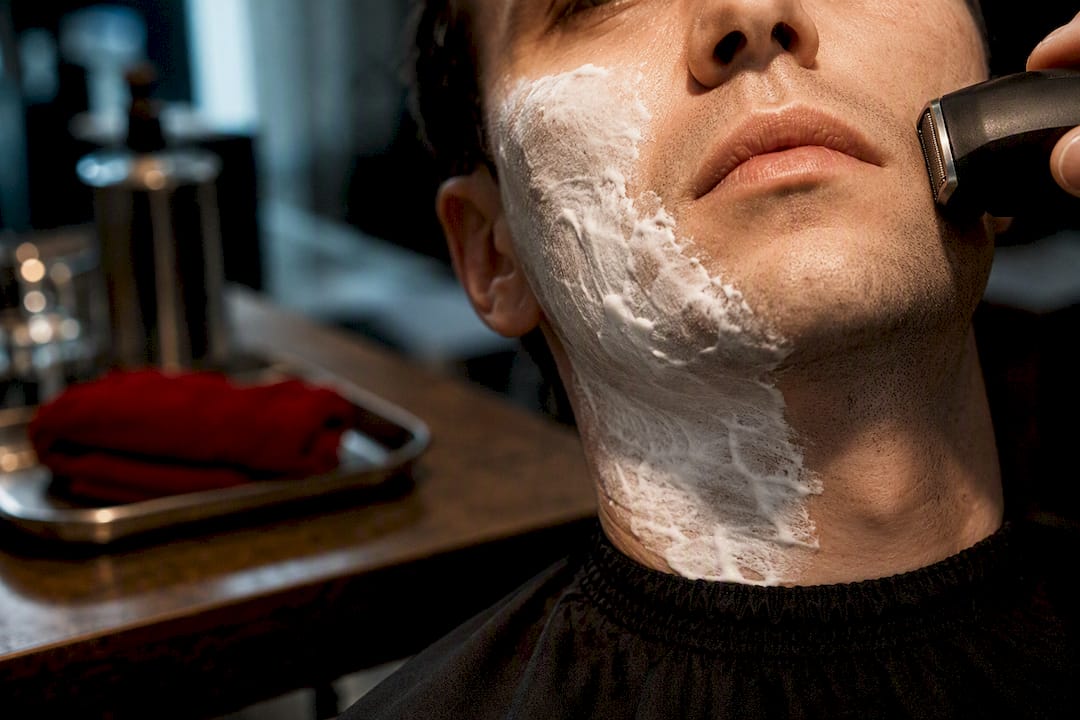
Wet shaving with a blade gives you the closest, longest-lasting finish, while electric shaving wins on speed and lowers your risk of nicks. If closeness is your priority, sharpen your technique and go wet. If your mornings are rushed or your skin flares up easily, an electric razor, ideally a wet/dry model, is the safer bet to start with.
TL;DR:
Wet shaving with a sharp blade and proper prep can provide a closer shave and smoother skin lasting longer than electric options.
Electric razors, especially wet/dry models, deliver faster results and reduce the risk of cuts, making them ideal for rushed mornings or travel.
Technique and skin condition significantly influence irritation risk, with dull blades or heads causing more friction and discomfort regardless of method.
A hybrid approach, using electric shavers on weekdays and wet shaves on weekends, balances convenience with closeness.
Professional shaves offer tailored techniques that minimize irritation and achieve closer results than DIY methods.
Table of Contents
Wet Shaving vs Electric: Pros and Cons Side by Side
Every man who’s switched between a razor and a foil shaver knows the trade-off isn’t really about which tool is “better.” It’s about which set of compromises fits your face and your schedule.
Wet shaving pros:
Closest possible finish when the blade is sharp and prep is right
Exfoliates dead skin along with hair, leaving smoother skin afterward
The ritual (hot towel, lather, aftershave) genuinely improves how skin feels for hours
Wet shaving cons:
Takes real time and a learned angle
Nicks and razor burn happen fast when you rush or use a dull blade
Requires more frequent blade changes to stay safe
Electric shaving pros:
Fast. Two or three minutes and you’re done, no lather or cleanup
Foil and rotary guards keep the cutting edge from touching skin directly, so cuts are rare
Works dry, which makes it the obvious choice for travel or a tight schedule
Electric shaving cons:
Rarely matches the glass-smooth result of a fresh blade
Heads wear out and need periodic replacement to avoid tugging
Dull heads generate friction and heat instead of a clean cut
Wet/dry electric razors split the difference. Used with shaving cream and water, wet-capable electric razors can improve comfort and closeness compared to running the same shaver dry, though budget wet/dry models tend to cut more slowly than a dedicated dry shaver.
Why Wet Shaving Usually Gets You Closer
A blade cuts hair right at the skin’s surface. An electric shaver’s foil or rotary heads have to lift hair slightly before cutting, which leaves a small buffer of stubble behind almost by design. That gap is the entire reason wet shaving tends to look and feel closer.
Prep matters more than the blade itself. Warm water softens the hair shaft, and a good lather reduces drag so the blade glides instead of pulling. Skip that step and even a sharp blade tugs at hair, causing the kind of irritation people mistakenly blame on “sensitive skin.” Wet shaving with a sharp single blade and proper technique commonly produces both the closest result and the least long-term irritation, which is the opposite of what most multi-blade cartridge users experience.
One trade-off worth knowing upfront: a truly close wet shave often means less regrowth showing for a day or two longer than an electric shave. You’re trading a few extra minutes today for smoother skin tomorrow.
Does Your Skin Type Change the Answer?
There’s no single “healthiest” way to shave. The American Academy of Dermatology advises men with acne-prone or easily irritated skin to test both methods rather than assume one is automatically safer, since done correctly, wet shaving can exfoliate skin, but poor technique undoes that benefit fast.
Pro Tip: If you use disposable cartridges, discard them after 5 to 7 shaves. A dull blade dragging across skin causes more irritation than the razor itself ever could.
Hair type matters as much as skin type. Tightly curled hair is more prone to ingrown hairs and folliculitis after close shaves, and technique, not just the tool, drives that risk. If you deal with curly facial hair, a less aggressive multi-pass wet shave, or a well-maintained electric shaver, often beats chasing maximum closeness.
Practical mitigations that help regardless of method:
Cleanse skin before shaving to clear pore-clogging oil and debris
Use a lubricating gel or cream, never a dry blade
Shave in a single pass with the grain before attempting anything closer
Replace blades or shaver heads on a set schedule
Follow up with a cool, calming aftershave rather than alcohol-heavy products
Electric shavers lower cut risk since the guard keeps the blade off skin, but a dull head causes frictional heat and pulling that mimics razor burn. A men’s skincare routine that includes proper pre-shave prep, like the guidance covered in men’s facial and skincare basics, helps either method perform better.
Which Method Fits Your Morning Routine?
Electric shaving wins the convenience contest outright. No sink, no lather, no cleanup, just a shaver you can run in the car or between meetings. That makes it the default for travel days and rushed mornings.
Wet shaving takes longer because prep and multiple careful passes are what deliver the closeness in the first place. You’re not going to get a great wet shave in ninety seconds, and trying to rush it is exactly how nicks happen.
Most guys who’ve tried both settle into a hybrid. Keep an electric shaver for weekday speed and save a proper wet shave for weekends or events, when you actually have ten minutes and want the closer, longer-lasting result.
What Does Each Method Actually Cost Over Time?
Manual/wet shaving:
Low upfront cost for a razor or safety razor
Recurring expense on cartridges or disposable blades
Single-blade safety razors cost less per shave long-term and reduce irritation versus cheap multi-blade cartridges
Electric shaving:
Higher upfront cost for the shaver itself
Replacement heads or foils needed only every several months, not weekly
Routine cleaning and periodic head replacement keeps performance from degrading and prevents tugging
Either tool needs to dry out fully after use. Leaving a wet blade or shaver head damp invites bacterial growth, which is a bigger factor in breakouts and irritation than most men realize.
How to Choose Between Wet and Electric Shaving
Run through this before you commit to one method:
Rank your priority. Closeness points you toward wet; speed and convenience point toward electric.
Check your hair type. Coarse or tightly curled hair benefits from gentler multi-pass wet technique or a well-maintained electric shaver over an aggressive single close pass.
Assess your skin. If you’re currently dealing with irritation or breakouts, start with electric while your skin settles, then reintroduce wet shaving carefully.
Factor in travel. Frequent flyers and early risers lean electric by default.
Set a budget. Wet shaving costs less upfront; electric costs less in ongoing replacements.
Pro Tip: If you’re torn, try a wet/dry electric razor with shaving gel for two weeks before buying a straight or safety razor. It’s the cheapest way to test whether closeness is worth the extra time to you.
Persistent ingrown hairs, ongoing razor bumps, or irritation that won’t calm down after a week are signs to stop experimenting solo. That’s a cue to see a dermatologist or a barber trained in razor work rather than switching products again.
What Barbers Notice That DIY Shavers Miss
A professional wet shave earns its price on the days that matter, before a wedding, an interview, or any occasion where stubble shadow isn’t an option. Barbers read skin condition and hair growth direction before the blade ever touches your face, adjusting angle and pressure pass by pass instead of running the same stroke everywhere.
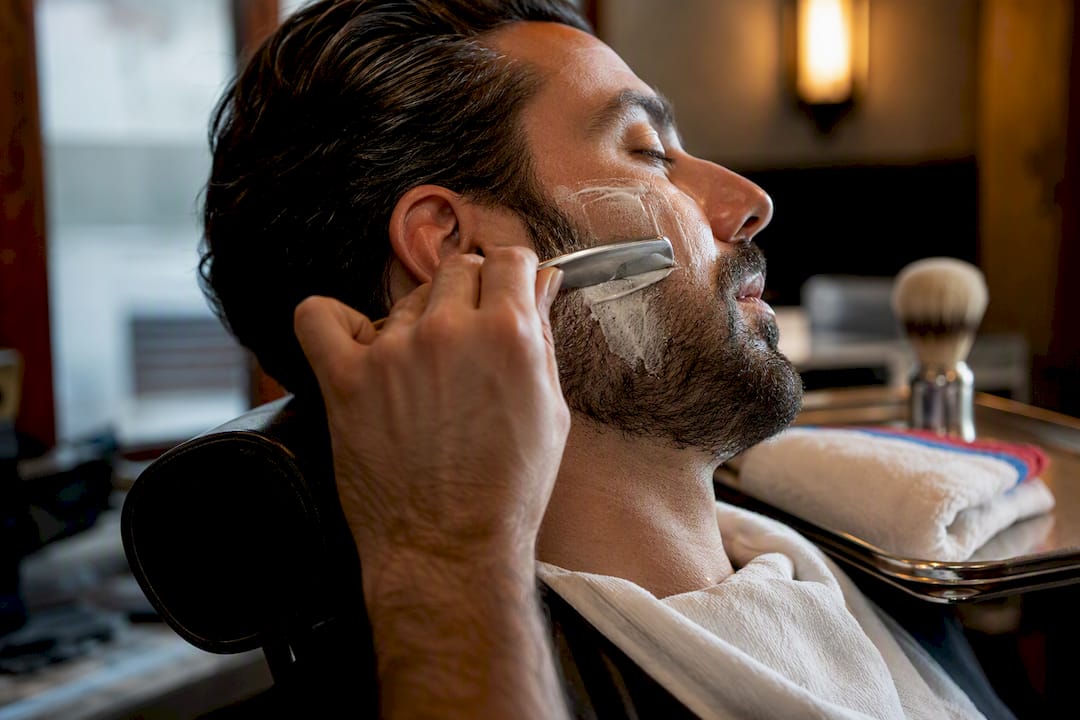
That single-pass control is exactly what most DIY shaves skip, and it’s the biggest reason a barber’s result feels closer with less irritation. Some professional barbershops offer hot-towel wet shaves and clean fades with the philosophy of reading the client’s skin and hair first, then adjusting technique rather than forcing one method to fit everyone.
Which Priority Should Actually Drive Your Choice?
Most shaving advice online treats this as a gear question, foil versus blade, brand versus brand. That misses the point. The real decision is about which trade-off you’re willing to live with: time and skill for a closer shave, or speed and safety margin for a good-enough one.
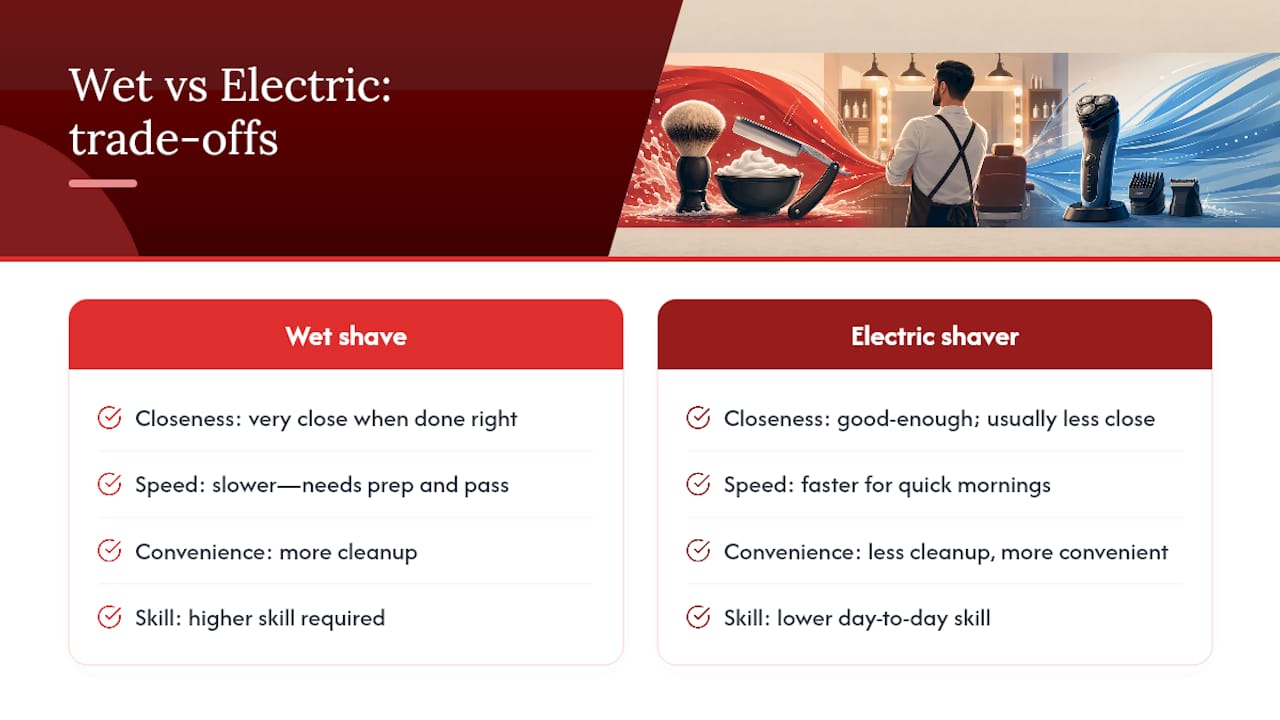
The research backs a specific hierarchy: technique and skin condition matter more than the tool itself. A rushed wet shave with a dull blade will irritate skin worse than a well-maintained electric shaver, and a badly maintained electric head will drag just as much as that same dull blade. Neither method is inherently gentler; poor execution is what causes the damage.
If I had to push back on conventional wisdom, it’s this: don’t buy a $200 razor system chasing closeness before you’ve nailed basic prep. Warm water, proper lather, and a single controlled pass fix more shaving problems than any tool upgrade. Once technique is solid, then decide whether closeness or convenience matters more on a given morning, and let that decide the tool, not the other way around.
— Evgenii
Skip the Guesswork With a Professional Hot-Towel Shave
If reading through blade angles and head-replacement schedules sounds like more effort than you want to put into your face, that’s exactly the gap a professional wet shave fills. Professional hot-towel wet shave services handle the prep, blade choice, and pass technique that take most men years to learn on their own.

What you get with the service:
A hot-towel warm-up that softens hair and skin before the blade touches you
A trained eye reading your hair growth direction and skin condition pass by pass
A single-pass technique built to minimize irritation instead of chasing closeness at any cost
Bring up any skin concerns, breakouts, sensitivity, or ingrown hairs before the shave starts so the barber can adjust technique accordingly. If you’re not sure which method suits your skin long-term, booking one professional shave tells you more in twenty minutes than a month of trial and error at home. Book your appointment online or check out walk-in availability to get started.
Sources
FAQ
Is it better to shave wet or dry with an electric razor?
Shaving wet with a compatible electric razor and shaving gel usually feels more comfortable and looks closer than shaving dry with the same device, though dry shaving is faster and needs no cleanup.
What is the healthiest way to shave?
There’s no single healthiest method; dermatologists recommend testing both wet and electric shaving and choosing based on how your specific skin and hair type respond, while replacing blades every 5 to 7 shaves and keeping equipment clean.
What are the downsides of electric shaving?
Electric shavers rarely deliver as close a finish as a sharp blade, and dull or worn heads cause frictional heat and pulling instead of a clean cut, so heads need periodic replacement.
Is it better to shave or use an electric shaver?
Wet shaving with a blade wins for closeness and skin feel when done with proper prep, while electric shaving wins for speed, convenience, and lower cut risk, making the right choice dependent on your priority that day.
Recommended
Comments